Insulin Resistance and Persistent Belly Fat
Understanding the link between insulin resistance and weight gain is the first step toward breaking the cycle and reclaiming your health. If you’ve been struggling to lose weight despite eating well and staying active, insulin resistance may be playing a hidden role. This condition is more common than many realize, and it can significantly affect how your body stores fat and uses energy.
What Is Insulin Resistance?
Insulin is a hormone made by your pancreas that helps move glucose (sugar) from the food you eat into your cells, where it’s used for energy.
With insulin resistance, your cells don’t respond properly to insulin. This means glucose stays in your bloodstream instead of being absorbed efficiently. In response, your pancreas produces more insulin to try to “force” glucose into your cells. Over time, this creates higher-than-normal insulin levels—a condition called hyperinsulinemia.
Insulin Resistance and Weight Gain:
- Increased Fat Storage
Elevated insulin levels signal your body to store more energy as fat, especially around the abdomen. This makes weight loss much more difficult, even with diet and exercise. - Constant Hunger & Cravings
Your body responds with hunger signals because your cells aren’t getting the energy they need. This often leads to cravings for quick energy sources like carbs and sweets. - Slowed Metabolism
Over time, high insulin can disrupt other hormones that regulate metabolism, making it easier to gain weight and harder to burn calories efficiently. That is why Insulin Resistance and Weight Gain create a dangerous, self-perpetuating cycle. - Inflammation & Hormonal Imbalance
Insulin resistance is linked to low-grade chronic inflammation, which can worsen weight gain and increase the risk of other conditions like PCOS, fatty liver disease, and type 2 diabetes.
Persistent Belly Fat Despite a Healthy Lifestyle
Even with regular exercise and a balanced diet, stubborn belly fat can remain due to:
- Insulin resistance: The body stores fat, particularly in the abdominal area, when insulin levels are consistently high.
- Cortisol overload: Chronic stress increases cortisol, which directs fat storage to the belly.
- Hormonal shifts: Especially common during perimenopause and menopause, decreased estrogen/testosterone levels contribute to fat accumulation.
Lifestyle Tip: Focus on stress reduction (e.g., mindfulness, yoga), get 7–8 hours of quality sleep, reduce processed carbs, and try time-restricted eating (e.g., 12:12 or 14:10 intermittent fasting).
Fatigue, Especially After Meals
Feeling tired post-meals may indicate blood sugar spikes and crashes or poor digestion.
- High-carb meals cause rapid glucose spikes followed by crashes, leaving you tired.
- Digestive inefficiencies like poor gut flora or low stomach acid can make nutrient absorption sluggish.
Lifestyle Tip: Balance meals with protein, fiber, and healthy fats to stabilize blood sugar. Include gentle movement after eating (like a 10-minute walk) to boost digestion and energy.
To understand the root causes, start with our beginner’s guide to insulin resistance.
Frequent Sugar or Carb Cravings
This is often a sign of:
- Blood sugar instability
- Candida or gut imbalance
- Emotional eating triggers (e.g., stress, anxiety)
Lifestyle Tip: Start your day with a protein-rich breakfast to reduce cravings later. Eat regularly to prevent blood sugar drops, and include fermented foods (like kimchi, yogurt) to support gut health. Read more about Top 10 Fermented Foods for Gut Health and How to Eat Them
Difficulty Losing Weight
When weight doesn’t budge, despite effort:
- Metabolic slowdown may be the result of under-eating or over-training.
- Thyroid issues or sluggish liver function can reduce fat-burning efficiency. Read more about 7 Supplements That Support Thyroid and Inflammation
- Nutrient deficiencies, like low B12, magnesium, or vitamin D, also play a role. Read more about What are B vitamins?
Lifestyle Tip: Get a full metabolic panel if weight loss is stalled. Incorporate strength training to build lean muscle (which boosts metabolism) and ensure you’re not undereating.
Brain Fog or Trouble Concentrating
This can stem from:
- Blood sugar highs and lows
- Chronic inflammation
- Lack of omega-3s and essential micronutrients
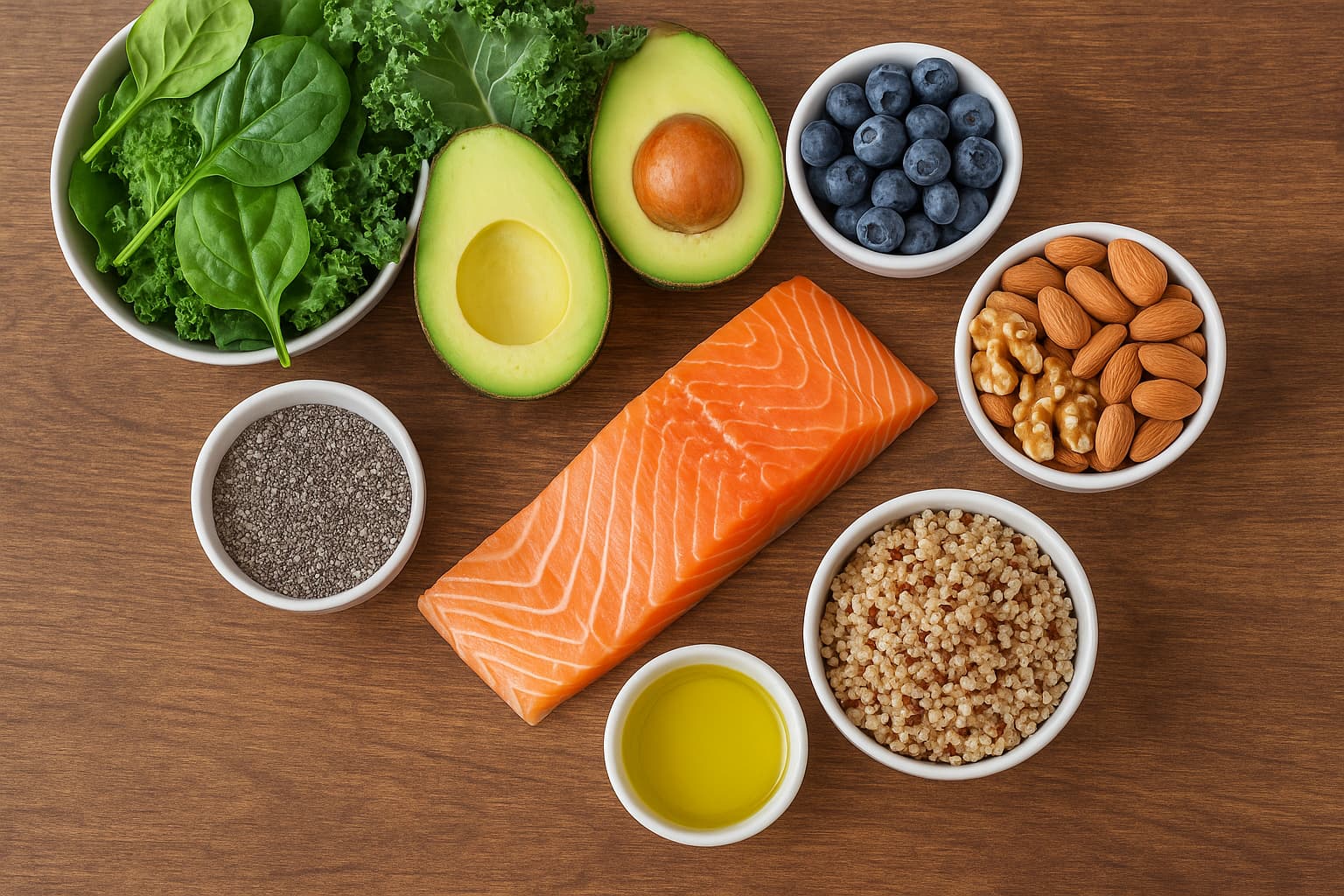
Lifestyle Tip: Include omega-3-rich foods like salmon, walnuts, and flaxseed. Minimize added sugars and refined carbs. Stay hydrated and consider supplementing with magnesium or B-complex if needed.
Breaking the Cycle: Lifestyle Strategies
To reverse this cluster of symptoms, a holistic and sustainable approach is best:
🔹 Stabilize Blood Sugar
- Prioritize low-glycemic meals with protein, fiber, and healthy fats.
- Avoid skipping meals or extreme fasting without guidance.
- Consider apple cider vinegar before meals to reduce glycemic response.
🔹 Optimize Gut Health
- Include prebiotics (like garlic, onions, oats) and probiotics (yogurt, kefir).
- Reduce ultra-processed foods that disrupt the microbiome.
🔹 Balance Hormones Naturally
- Get consistent sleep (7–9 hours).
- Limit alcohol and manage caffeine.
- Exercise regularly, but include rest days to avoid cortisol spikes.
🔹 Support Liver and Detox Pathways
- Stay hydrated.
- Eat cruciferous vegetables (broccoli, kale, cabbage) to support detoxification.
- Avoid unnecessary medications or toxins when possible.
Top 8 Supplements For Insulin Resistance (Backed by Research)
Insulin resistance and weight gain are deeply connected—but knowledge is power. By understanding how insulin affects fat storage and energy balance, you can take targeted steps to improve your metabolism and overall health. Small, consistent changes in diet, movement, and lifestyle can make a big difference in reversing insulin resistance and supporting lasting weight management.