
Plant-Based Diet for Beginners Guide: Meal Plan & Easy Recipes
Published: October 5, 2025
Updated: March 2026
Thinking about eating more plants but not sure where to start? You’re not alone. The plant-based diet has exploded in popularity across the U.S. as more people discover its benefits for health, energy, and even the environment. From celebrities to doctors, everyone is talking about how eating more plants can improve your life — but if you’re just starting out, the flood of information online can feel overwhelming.
That’s exactly why I created this Plant-Based Diet for Beginners Guide. Inside, you’ll find everything you need to make the switch simple and stress-free:
- A grocery list of plant-based staples
- The top health benefits backed by research
- Easy recipes anyone can make
- A 7-day meal plan to get you started right away
- Clear answers to the most common beginner questions
Whether your goal is to eat healthier, lose weight, or simply add more plants to your meals, this guide will give you the tools to make plant-based eating enjoyable and sustainable.
Transitioning to a plant-based diet can feel overwhelming at first, but the right cookbook makes it much easier. Beginner-friendly plant-based cookbooks offer simple recipes, clear guidance, and structured meal plans to help you stay consistent.
Explore plant-based cookbooks for beginners
Who This Guide Is For
This guide is designed for adults who want to eat more plants in a practical, sustainable way — without extreme rules or confusion.
It may be especially helpful if you:
- Are curious about plant-based eating but don’t want to follow a strict vegan diet
- Want a clear beginner roadmap instead of piecing together information from multiple sources
- Are looking to support heart health, metabolic wellness, or overall energy
- Want simple, family-friendly meals that fit into a busy lifestyle
- Prefer a flexible, balanced approach rather than rigid food restrictions
- Are transitioning from a highly processed diet to a more whole-food, plant-forward routine
This guide focuses on education, structure, and realistic habits you can maintain long term. It’s designed to help you build confidence in the kitchen while understanding the science behind plant-based nutrition.
As always, this content is for general educational purposes and is not a substitute for personalized medical advice.
Table of Contents
What Is a Plant-Based Diet?
At its core, a plant-based diet is a way of eating that emphasizes whole, minimally processed plant foods such as fruits, vegetables, legumes, whole grains, nuts, and seeds. Instead of focusing on strict rules, it encourages building meals around plants to maximize nutrition, fiber, and flavor. While some people choose to follow it 100%, others use a plant-based diet as a flexible lifestyle that simply reduces the amount of animal products they eat.
Whole-Food vs. Processed Plant-Based: What’s the Difference?
Not all plant-based diets are created equal.
While the term “plant-based” simply means emphasizing foods that come from plants, the quality and level of processing of those foods makes a significant difference in overall health outcomes.
What Is Whole-Food Plant-Based (WFPB)?
A whole-food plant-based approach focuses on minimally processed, nutrient-dense foods such as:
- Vegetables and leafy greens
- Fruits
- Legumes (beans, lentils, chickpeas)
- Whole grains (quinoa, brown rice, oats)
- Nuts and seeds
These foods are rich in fiber, antioxidants, phytonutrients, and naturally occurring vitamins and minerals. Research consistently links diets built around whole plant foods to improved heart health, better blood sugar control, reduced inflammation, and overall longevity.
Whole-food plant-based eating prioritizes nourishment and balance rather than simply removing animal products.
What Is Processed Plant-Based?
On the other hand, it’s possible to eat a fully plant-based diet that relies heavily on:
- Refined grains
- Added sugars
- Ultra-processed meat substitutes
- Packaged vegan snacks and desserts
- Fried foods
While these products may technically be plant-based, they often lack fiber and micronutrients and can be high in sodium, refined oils, and additives.
In other words, “vegan” does not automatically mean “healthy.”
Why This Difference Matters
Studies show that diets high in whole plant foods are associated with improved cardiovascular and metabolic health, especially when aligned with structured eating patterns like the Mediterranean-style approach to whole foods.
If your goal is long-term health, energy, and metabolic balance, focusing on whole foods is key.
How to Stay Balanced
You don’t need to eliminate convenience foods entirely. The goal is not perfection — it’s proportion. This plant-based diet for beginners focuses on balance, not restriction.
A practical guideline:
- Build most meals around whole, minimally processed ingredients
- Use packaged plant-based foods occasionally, not as the foundation
- Prioritize fiber, color, and protein at every meal
This balanced approach makes plant-based eating both sustainable and supportive of long-term health.
Plant-Based vs. Vegan vs. Vegetarian
It’s easy to confuse these terms, but they’re not the same:
- Plant-Based: Prioritizes plant foods while allowing some flexibility. Many people on a plant-based diet occasionally include dairy, eggs, or even fish/meat in small amounts.
- Vegetarian: Eliminates meat, poultry, and fish but may include dairy and eggs.
- Vegan: Excludes all animal products (including dairy, eggs, honey, and sometimes even non-food products like leather).
The key difference: plant-based is about adding more plants and focusing on health, while vegan and vegetarian are more defined by what they exclude.
Why Flexibility Matters
One of the reasons the plant-based diet is so approachable is its flexibility. You don’t have to be perfect or give up everything at once to see benefits. For some people, that means starting with meatless Mondays, adding a plant-based breakfast, or keeping eggs, yogurt, or honey in moderation while focusing mainly on plants. This flexibility helps people transition more smoothly, avoid feeling restricted, and stick with the lifestyle long-term.
Read More: Don’t Get Confused! The Truth About Plant-Based vs. Vegetarian Diets
Health Benefits of a Plant-Based Diet
The benefits of eating more plants aren’t just a trend — they’re backed by decades of scientific research. Studies consistently show that shifting to a plant-based diet supports overall health, reduces the risk of chronic illness, and boosts daily energy levels. By focusing on nutrient-dense, fiber-rich foods, you give your body the tools it needs to thrive.
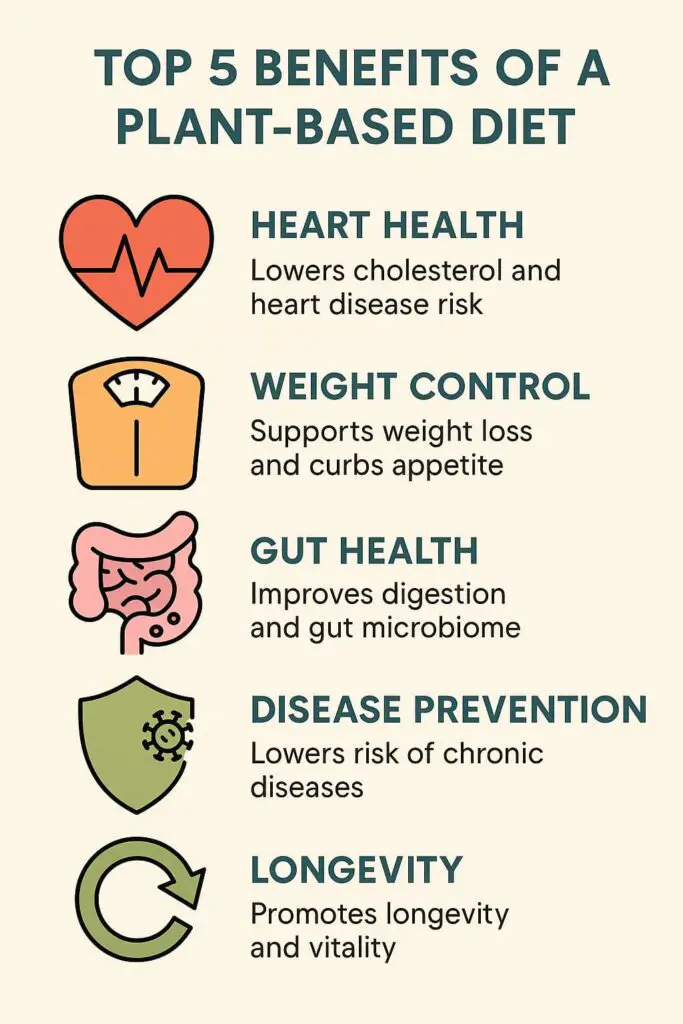
Heart Health & Lower Cholesterol
Plant-based diets are naturally low in saturated fat and high in soluble fiber, which helps lower LDL (“bad”) cholesterol. Regularly eating foods like oats, beans, flaxseeds, and leafy greens supports better blood pressure, improves circulation, and reduces the risk of heart disease — still the #1 cause of death in the U.S.
Weight Loss & Appetite Control
Thanks to their high fiber and water content, plant-based meals help you feel full on fewer calories. Fiber slows digestion, balances blood sugar, and naturally curbs cravings. Many people find that simply replacing processed and animal-based foods with whole plant foods leads to effortless, sustainable weight loss.
Better Digestion & Gut Health
A healthy gut thrives on fiber — something the Standard American Diet is often lacking. Plant-based foods like beans, lentils, vegetables, and fruits feed your good gut bacteria, improve regularity, and reduce bloating over time. A diverse, plant-rich diet also lowers the risk of digestive disorders such as diverticulitis and constipation.
Research links plant-based eating with a lower risk of type 2 diabetes, high blood pressure, obesity, and certain cancers. The antioxidants, phytochemicals, and anti-inflammatory compounds in plants protect cells from damage, reduce systemic inflammation, and help regulate hormones.
Energy, Longevity & Vitality
People who eat mostly plants often report higher daily energy and improved focus. Large population studies also show that plant-forward diets are associated with longer lifespans and a reduced risk of age-related decline. By fueling your body with whole foods instead of processed ones, you naturally improve vitality and resilience.
Balanced Plant-Based Plate
What Does a Balanced Plant-Based Plate Look Like?
One of the simplest ways to build satisfying, nutrient-dense meals is to think in proportions rather than strict rules.
Instead of focusing on what to eliminate, focus on how to build a balanced plate. Harvard’s Healthy Eating Plate framework
½ Plate: Non-Starchy Vegetables
Fill half your plate with colorful vegetables such as:
- Leafy greens
- Broccoli and cauliflower
- Zucchini and peppers
- Tomatoes and cucumbers
These provide fiber, antioxidants, and volume that support fullness and digestive health.
¼ Plate: Plant-Based Protein
Dedicate a quarter of your plate to protein-rich foods like:
- Lentils
- Chickpeas
- Black beans
- Tofu or tempeh
- Edamame
Protein supports muscle maintenance, satiety, and blood sugar stability.
¼ Plate: Whole or Fiber-Rich Carbohydrates
Choose minimally processed carbohydrates such as:
- Quinoa
- Brown rice
- Farro
- Sweet potatoes
- Oats
These provide sustained energy and additional fiber.
Add Healthy Fats
Include a source of healthy fat for flavor and nutrient absorption:
- Avocado
- Olive oil
- Nuts and seeds
- Tahini
Fats help absorb fat-soluble vitamins and keep meals satisfying.
Why This Framework Works
This structure:
- Prevents protein gaps
- Reduces overreliance on refined carbs
- Supports stable energy levels
- Keeps meals balanced without strict calorie counting
It’s flexible, adaptable, and works whether you’re fully plant-based or simply increasing your plant intake. This same balanced plate concept is also central to our anti-inflammatory living framework, where food quality and proportion matter more than restriction.
Common Nutrient Gaps to Be Aware Of on a Plant-Based Diet
A well-planned plant-based diet can meet nearly all nutritional needs — but like any eating pattern, it requires awareness and balance.
Certain nutrients deserve special attention when reducing or eliminating animal products. Understanding them helps you build a confident and sustainable approach.
Vitamin B12
Vitamin B12 is the most important nutrient to monitor on a plant-based diet. It is naturally found almost exclusively in animal products.
Low B12 levels can lead to fatigue, nerve issues, and anemia over time. NIH Vitamin B12 fact sheet
Most plant-based eaters either:
- Use fortified foods (plant milks, nutritional yeast, cereals), or
- Take a reliable B12 supplement
Because deficiency can develop slowly, many health professionals recommend supplementation as a precaution.
Iron
Plant foods contain non-heme iron, which is absorbed differently than iron from animal sources.
Good plant sources include:
- Lentils
- Chickpeas
- Tofu
- Pumpkin seeds
- Spinach
To improve absorption:
- Pair iron-rich foods with vitamin C (like citrus or bell peppers)
Many people meet their iron needs with proper planning, but those with heavy menstrual cycles or existing anemia should monitor levels with a healthcare provider. Many of these foods are also highlighted in our guide to high-fiber plant foods that support metabolic and digestive health.
Omega-3 Fatty Acids
Omega-3s support heart and brain health. NIH omega-3 guidance
Plant sources include:
- Chia seeds
- Flaxseeds
- Walnuts
- Hemp seeds
However, the conversion of plant-based ALA to EPA and DHA is limited. Some people choose an algae-based omega-3 supplement for additional support. Omega-3–rich foods also play a key role in anti-inflammatory eating patterns focused on reducing chronic inflammation.
Zinc
Zinc plays a role in immune function and metabolism.
Plant sources include:
- Beans
- Whole grains
- Nuts
- Seeds
Soaking and sprouting legumes and grains may improve absorption.
Iodine
Iodine supports thyroid health and is often obtained from seafood and dairy.
Plant-based sources include:
- Iodized salt
- Sea vegetables (like nori)
Because intake can vary widely, this is another nutrient worth being mindful of.
Calcium
Calcium is commonly associated with dairy, but it’s also found in:
- Fortified plant milks
- Tofu set with calcium
- Leafy greens (like kale and bok choy)
- Almonds and tahini
Meeting calcium needs is very achievable with thoughtful food choices.
Plant-based eating is not automatically deficient — it simply requires intention.
By prioritizing variety, whole foods, and (when appropriate) targeted supplementation, most people can meet their nutritional needs while enjoying the benefits of a plant-forward lifestyle.
If you have a medical condition, are pregnant, or have existing deficiencies, working with a healthcare professional is recommended.
Plant-Based for Specific Goals
One of the strengths of a plant-based approach is its flexibility. It can be adapted to support different health priorities while still emphasizing whole, nutrient-dense foods.
Weight Management
Whole plant foods are naturally high in fiber and water content, which can promote fullness with fewer calories. Meals centered around vegetables, legumes, and whole grains often support steady energy and reduced cravings.
Rather than focusing on restriction, plant-based eating encourages volume and nutrient density — two key factors in sustainable weight management.
Heart Health
Plant-based diets are consistently associated with improved cardiovascular markers, including lower LDL cholesterol and improved blood pressure. American Heart Association
Fiber-rich foods such as oats, beans, and vegetables, along with healthy fats from nuts and olive oil, contribute to heart-protective eating patterns.
Blood Sugar & Insulin Sensitivity
Plant-based eating patterns that emphasize whole foods (rather than refined carbs) can support balanced blood sugar levels. Research published in PubMed
Legumes, whole grains, and non-starchy vegetables provide fiber that slows glucose absorption and helps stabilize energy levels.
For a deeper look at blood sugar support, explore our Insulin Resistance Diet Guide.
Anti-Inflammatory Support
A diet rich in colorful vegetables, berries, legumes, nuts, and seeds naturally provides antioxidants and phytonutrients that may help reduce chronic inflammation.
If your primary goal is reducing inflammation, you may also benefit from our Anti-Inflammatory Living Guide.
The Key Principle
The benefits depend on food quality.
A whole-food, balanced plant-based diet supports metabolic and cardiovascular health. A highly processed plant-based diet may not deliver the same results.
Plant-Based Diet Grocery List for Beginners
Building a plant-based pantry doesn’t have to be complicated. Here are the food groups to stock:
Fruits & Vegetables
- Leafy greens: spinach, kale, Swiss chard
- Cruciferous: broccoli, cauliflower, Brussels sprouts
- Fruits: berries, citrus, apples, bananas, mangoes
Whole Grains
- Quinoa, brown rice, oats, barley, bulgur
- Whole wheat bread and pasta
Legumes & Beans
- Lentils, chickpeas, black beans, kidney beans
- Edamame, peas, soy-based foods (tofu, tempeh)
Nuts & Seeds
- Almonds, walnuts, cashews, pistachios
- Chia seeds, flaxseeds, sunflower seeds, hemp seeds
Plant-Based Proteins
- Tofu, tempeh, seitan
- Plant-based protein powders (pea, hemp)
Healthy Fats
- Avocados, olives, nuts, seeds
- Olive oil, tahini, natural nut butters
Easy Plant-Based Recipes to Try
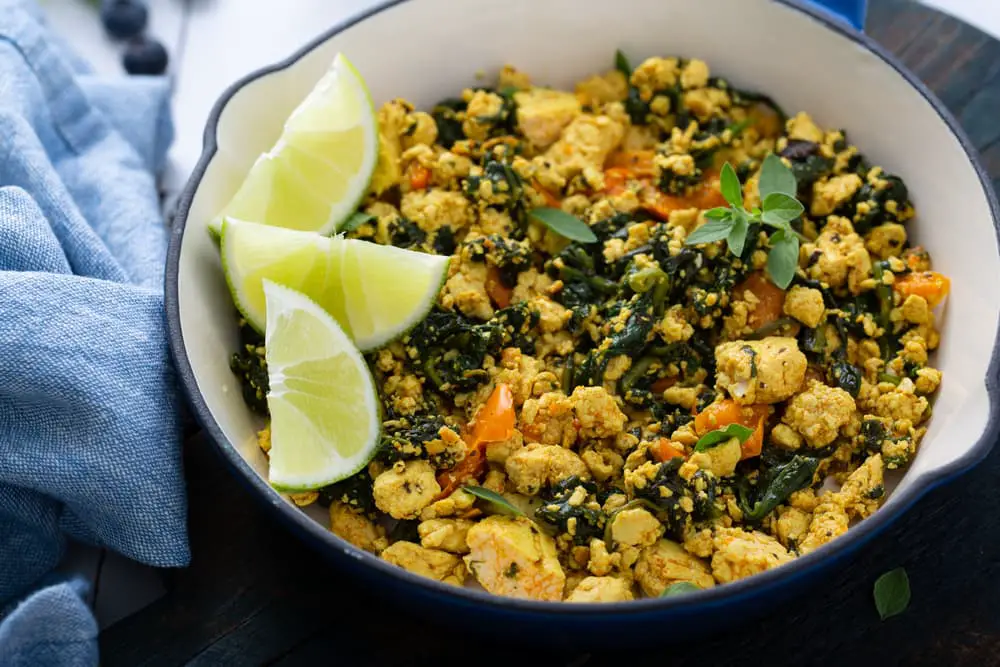
Here are a few beginner-friendly recipes that show how easy and delicious this lifestyle can be:Flavorful Tofu Scramble
A protein-packed, egg-free breakfast made with tofu, spinach, and turmeric. Ready in just 15 minutes and full of flavor.
Easy Chickpea Bowl
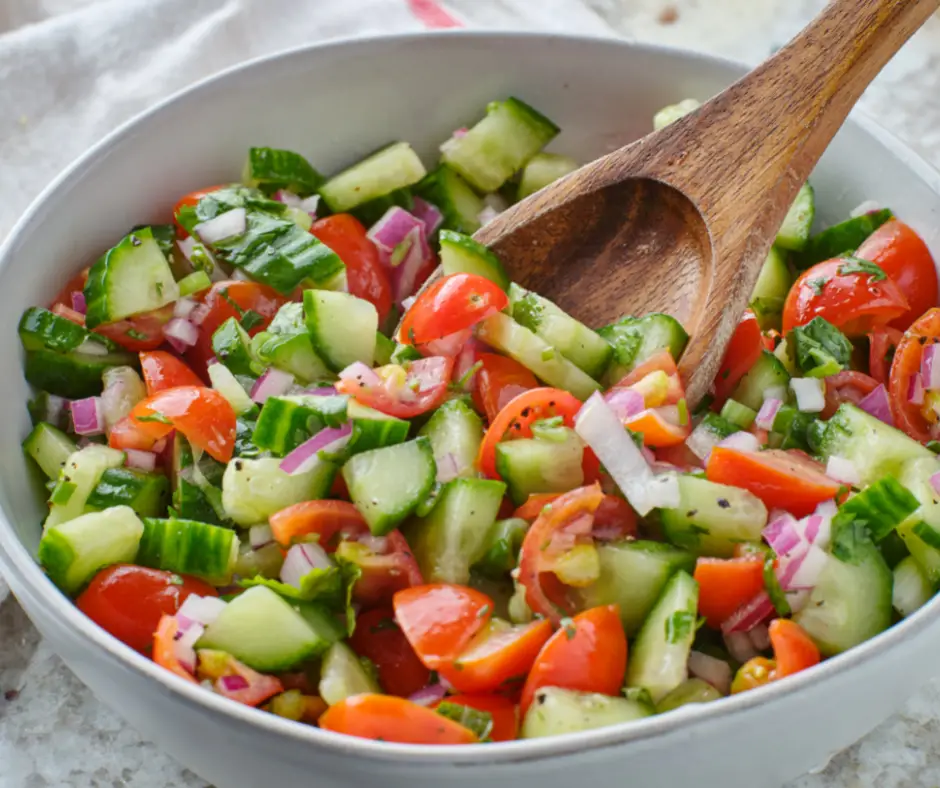
This vibrant and wholesome dish is perfect for a quick lunch or a light dinner, offering a satisfying blend of textures and tastes. Packed with protein-rich chickpeas, fresh vegetables, and a tangy dressing, this bowl is not only delicious but also incredibly nutritious.
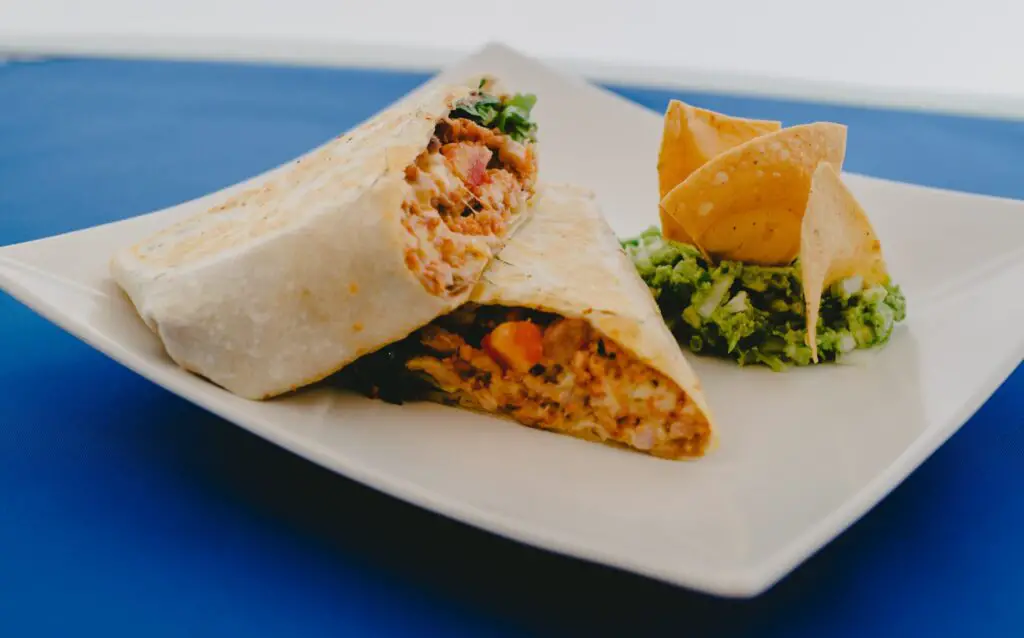
Burrito With Avocado
This chickpea burrito with avocado takes just minutes to make for a healthy and delicious lunch or quick dinner.
Creamy Carrot and Ginger Soup
This Creamy Carrot and Ginger Soup is a comforting and flavorful dish, perfect for any time of the year. The sweetness of the carrots pairs beautifully with the warmth of fresh ginger, while the coconut milk adds a rich, velvety texture.

Read More: Can You Eat Eggs on a Plant-Based Diet? Here’s How to Make It Work!
Common Myths About Plant-Based Eating
Read More: 4 Mistakes Plant-Based Eaters Make and How to Fix Them
Myth 1: It’s Difficult to Get Enough Protein
Reality: Plant-based diets provide ample protein through legumes, nuts, seeds, and soy products.
Myth 2: It’s Expensive
Reality: Whole plant foods like beans, rice, and vegetables are often more affordable than animal-based products.
Myth 3: It Lacks Essential Nutrients
Reality: A well-planned plant-based diet can meet all nutritional needs with the right variety of foods.
7-Day Plant-Based Meal Plan (Preview)
Access The : 7-Day Plant-Based Diet Plan – Easy Meals for a Healthy Start
Breakfast
Read More: 10 Easy & Fantastic Plant-Based Breakfast Ideas To Fuel You Up
Blackberry Chia Pudding: Creamy, Healthy & So Easy to Make
Lunch
The Ultimate Rainbow Quinoa Salad – A Colorful, Nutrient-Packed Delight
Snack
Hummus with Veggies – Step-by-Step Guide
Dinner
Chickpea and Vegetable Stir-Fry
This is just a taste. The full 14-day plan with nutrition facts is inside my cookbook. Plant Based Diet Cookbook For Beginners
Want to get ahead on weekly meals? Try this 7 Day Vegan Meal Plan
Ready to dive in deeper? Grab my Plant-Based Diet Cookbook for Beginners — 42 easy recipes + a complete 14-day meal plan with nutrition facts. Available now on Amazon.

FAQs About the Plant-Based Diet
What is a whole-food, plant-based diet?
A whole-food, plant-based (WFPB) diet focuses on eating minimally processed plant foods such as fruits, vegetables, whole grains, legumes, nuts, and seeds while avoiding animal products, refined foods, and artificial ingredients.
How is a plant-based diet different from a vegan diet?
A plant-based diet prioritizes whole, minimally processed plant foods but may occasionally include small amounts of animal products. A vegan diet eliminates all animal-derived foods (including dairy, eggs, and honey), often for ethical or environmental reasons.
Can I get enough protein on a plant-based diet?
Absolutely! Legumes (beans, lentils, chickpeas), tofu, tempeh, quinoa, nuts, and seeds are all excellent sources of protein. Even vegetables contain protein in small amounts.
Do I need to take supplements on a plant-based diet?
The most important supplement to consider is vitamin B12, which is not found in plant foods. Some people also choose to supplement vitamin D, omega-3s (from algae oil), and iron if needed.
Will a plant-based diet help with weight loss?
Many people lose weight on a plant-based diet because it is naturally high in fiber and low in calorie-dense processed foods. It also helps regulate appetite and improves metabolism.
Is it expensive to eat plant-based?
Not at all! Beans, rice, lentils, potatoes, oats, and seasonal produce are among the most affordable foods. Buying in bulk and cooking at home makes it even more budget-friendly.
How do I start transitioning to a plant-based diet?
Start by adding more plant foods to your meals, replacing meat with beans or tofu, and gradually reducing processed and animal-based foods. Focus on progress, not perfection!
- Read more : Is White Bread Vegan? What You Need To Know, Yogurt on a Plant-Based Diet? Here’s What You Need to Know
A plant-based diet is a simple, delicious way to improve your health while enjoying variety at every meal. By focusing on whole foods, balanced staples, and easy recipes, you can transition smoothly — and feel better doing it.
Explore More
Explore More About Plant-Based Living
Recipes
Meal Plans
- Plant-Based Meal Plan for a Week (Beginner-Friendly + Easy Recipes)
- Plant-Based Meal Prep: Save Time, Eat Clean, 3-Day Plant-Based Meal Prep Plan


