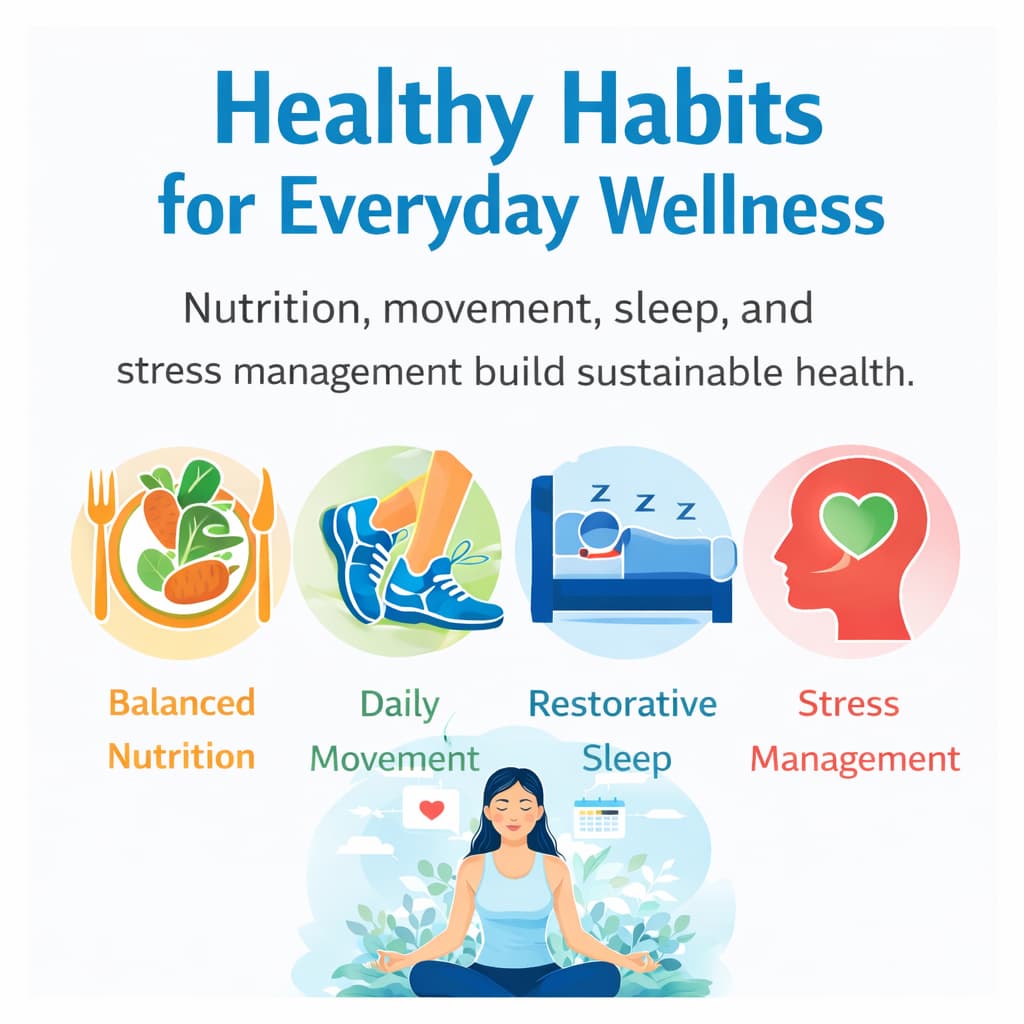
Healthy Habits Guide for Everyday Wellness
Healthy habits are the foundation of long-term wellness. While food plays an important role, true healthy living goes beyond what’s on your plate. The small choices you make every day — how you sleep, move, manage stress, and nourish your body — directly influence inflammation, energy levels, metabolism, and even your mindset.
Healthy habits are not about perfection or extreme routines. They are simple, consistent actions that compound over time. When practiced daily, these habits create stability, resilience, and sustainable health in a way that quick fixes never can.
Who This Guide Is For
This guide is designed for adults who want to build healthy habits in a realistic, sustainable way — without extreme routines or constant overwhelm.
It may be especially helpful if you:
- Are a busy adult trying to balance work, family, and personal health, and need simple routines that fit into real life — not a perfect schedule.
- Feel overwhelmed by diet trends and wellness advice and want a grounded, evidence-informed approach to healthy living.
- Want sustainable wellness, not another short-term reset or 30-day challenge.
- Are managing stress, low energy, or chronic inflammation and want to understand how daily habits influence long-term health.
- Prefer structure without rigidity — clear guidance, but flexible enough to adapt to your lifestyle.
- Are rebuilding your health after burnout, weight changes, or metabolic challenges and want to start with foundational habits.
This guide focuses on small, repeatable actions that compound over time. Rather than chasing perfection, the goal is consistency — building a healthy lifestyle that supports your energy, mindset, and overall well-being for years to come.
10 Simple Healthy Habits to Start Today
If you’re just getting started, focus on these simple daily habits:
- Drink more water throughout the day
- Eat whole, minimally processed foods
- Add more fruits and vegetables to your meals
- Walk daily, even for 10–15 minutes
- Prioritize consistent sleep (7–9 hours)
- Reduce stress with simple mindfulness practices
- Plan meals ahead of time
- Move your body regularly
- Limit ultra-processed foods
- Stay consistent with small daily actions
Table of Contents
What Are Healthy Habits?
Healthy habits are consistent behaviors that support physical, mental, and emotional well-being over time. Unlike short-term goals or temporary routines, habits are actions that become automatic through repetition.
At their core, habits shape how we live each day. They influence how we eat, move, sleep, respond to stress, and make decisions. Because these behaviors are repeated daily, they have a powerful cumulative effect on energy, inflammation, metabolism, and overall health.
The Habit Loop: Cue → Behavior → Reward
Behavioral science explains habits through a simple framework often called the “habit loop”:
- Cue: A trigger that signals your brain to start a behavior
- Behavior: The action itself
- Reward: The positive outcome that reinforces the action
For example:
- Cue: Feeling tired in the afternoon
- Behavior: Drinking coffee
- Reward: Temporary boost in energy
Over time, your brain associates the cue with the reward, making the behavior more automatic.
Understanding this loop is powerful. It means you can intentionally design healthy habits by adjusting cues and rewards — rather than relying on motivation alone.
Why Small Habits Outperform Extreme Changes
Many people attempt to improve their health by making dramatic changes all at once — strict diets, intense workout plans, or complete lifestyle overhauls. While these efforts may feel motivating at first, they are often difficult to sustain.
Research in behavioral psychology shows that small, consistent actions are more likely to become permanent. When habits are manageable, they reduce decision fatigue and require less willpower.
For example:
- A 10-minute daily walk is easier to maintain than committing to a 90-minute gym routine.
- Adding one serving of vegetables daily is more sustainable than eliminating entire food groups overnight.
Small changes reduce resistance. Over weeks and months, these actions compound — improving metabolic health, stress resilience, and long-term wellness.
The Compounding Effect of Healthy Habits
The concept popularized by behavioral researchers and habit experts is simple: tiny improvements, repeated consistently, create exponential results.
A 1% improvement each day may feel insignificant. But over time, those small actions build momentum. Habits become identity-shaping behaviors — not just tasks on a checklist.
Healthy habits are not about intensity. They are about repetition.
When you focus on small, realistic behaviors, you build a foundation that supports lasting health rather than short-term results.
The 5 Core Pillars of Healthy Living
Healthy habits are easier to build when they’re organized into clear foundations. Rather than trying to “fix everything,” it helps to focus on a small number of core areas that influence nearly every aspect of well-being.
These five pillars work together to support energy, inflammation balance, metabolic health, and emotional resilience. When one area improves, the others often strengthen as well.
1. Nutrition Foundations
Nutrition is the fuel for every system in the body. The goal isn’t perfection or restriction — it’s consistency and balance.
Strong nutrition foundations include:
- Prioritizing whole, minimally processed foods
- Building balanced plates with protein, fiber, and healthy fats
- Staying hydrated
- Planning simple meals ahead of time
Rather than chasing diet trends, healthy habits in nutrition focus on stability — meals that support steady energy, blood sugar balance, and long-term wellness. For structured eating frameworks, explore our Plant-based Diet Guide and anti-inflammatory Living guide.
2. Sleep & Recovery
Sleep is one of the most underestimated health habits. During sleep, the body repairs tissues, regulates hormones, consolidates memory, and balances inflammation. Sleep quality also plays a major role in blood sugar regulation and metabolic health, particularly for those managing insulin resistance.
Chronic sleep deprivation can disrupt:
- Blood sugar regulation
- Cortisol levels
- Hunger hormones
- Immune function
Healthy sleep habits include:
- Maintaining a consistent sleep schedule
- Reducing screen exposure before bed
- Creating a calm, dark sleep environment
- Allowing 7–9 hours for recovery
Without adequate sleep, even the best nutrition plan struggles to work effectively.
3. Stress & Nervous System Balance
Modern life keeps many people in a constant state of low-grade stress. When stress becomes chronic, it elevates cortisol and contributes to inflammation, fatigue, and metabolic imbalance.
Healthy stress habits don’t eliminate stress — they regulate it. Read more in our Mindful Living: The Complete Guide to Peace, Balance, and Self-Care
Examples include:
- Daily breathing exercises
- Short mindfulness practices
- Journaling to process emotions
- Time in nature
- Setting realistic boundaries
Regulating the nervous system improves digestion, sleep, mood, and energy.
4. Movement & Metabolic Health
Movement supports circulation, insulin sensitivity, muscle maintenance, and mood regulation.
Healthy movement habits do not require extreme workouts. They focus on:
- Daily walking
- Strength training 2–3 times per week
- Gentle stretching or mobility work
- Breaking up long periods of sitting
Consistent movement helps stabilize blood sugar, reduce inflammation, and improve mental clarity. Regular movement is also a foundational strategy discussed in our Insulin Resistance Diet Guide for supporting blood sugar balance.
5. Mindfulness & Emotional Regulation
Emotional health influences physical health more than many people realize. Chronic negative stress patterns can affect eating behaviors, sleep quality, and inflammation levels. Mindfulness habits build awareness and resilience.
These may include:
- Mindful eating practices
- Gratitude journaling
- Meditation
- Reflective self-check-ins
- Limiting digital overwhelm
When emotional regulation improves, other habits become easier to sustain. Read more about Mindful Eating: The Complete Guide to Eating with Awareness & Joy. These five pillars are interconnected. Improving even one area can positively influence the others.
Instead of trying to overhaul your entire lifestyle overnight, focus on strengthening one pillar at a time. Over weeks and months, small improvements across these areas create lasting change.
Nutrition as a Daily Habit (Not a Diet)
Healthy nutrition is not about following rigid rules or chasing the newest trend. It’s about building consistent, repeatable habits that support your body over time.
Rather than viewing food through the lens of restriction, think of nutrition as a daily practice — one that becomes easier and more automatic with structure.
Consistency Over Perfection
One balanced meal will not transform your health — and one indulgent meal will not ruin it.
What matters most is consistency. Small, steady improvements in food quality — such as adding more fiber, prioritizing protein, or reducing ultra-processed foods — create measurable benefits when practiced regularly. Extreme approaches often lead to burnout. Sustainable nutrition focuses on patterns, not perfection.
Build Balanced Plates
A practical way to simplify daily eating is to focus on plate balance rather than calorie counting.
Aim for:
- A source of protein
- Fiber-rich vegetables
- Whole or minimally processed carbohydrates
- Healthy fats
If you’re looking for structured frameworks to guide balanced eating, explore our Plant-Based Diet Guide, Mediterranean Diet Guide, and Anti-Inflammatory Diet Guide, each offering a practical approach to healthy eating.
- Plant-Based Diet Guide,
- Anti-Inflammatory Living Guide,
- Insulin Resistance Diet Guide, or
- Mediterranean Diet Guide
Each offers a flexible approach built around whole foods.
Plan Groceries With Intention
Healthy eating begins before you cook — it starts with what’s in your kitchen.
Simple grocery planning can:
- Reduce decision fatigue
- Prevent impulse purchases
- Make balanced meals easier to assemble
Keeping staple ingredients like legumes, whole grains, leafy greens, healthy fats, and quality protein sources on hand makes healthy habits automatic.
Cook at Home More Often
Cooking at home doesn’t require elaborate recipes. Even simple meals prepared in your own kitchen tend to be:
- Lower in added sugars
- Lower in refined oils
- Higher in fiber and nutrient density
Over time, cooking becomes a habit — not a task. Repetition builds confidence, and confidence builds consistency. Nutrition as a habit is about rhythm. When meals are built around balance and repeated consistently, they support energy, inflammation balance, metabolic stability, and long-term wellness — without the pressure of strict dieting.
Gut Health as a Foundational Habit
Gut health plays a central role in overall wellness. The digestive system is not only responsible for breaking down food — it also influences immune function, inflammation levels, mood regulation, and metabolic balance.
At the center of gut health is the microbiome — a complex community of trillions of bacteria living in the digestive tract. When this ecosystem is balanced, it supports nutrient absorption, immune resilience, and stable energy levels. When imbalanced, it may contribute to bloating, fatigue, inflammation, and even changes in mood.
Understanding the Microbiome
The gut microbiome thrives on diversity. A wide range of plant foods — especially fiber-rich vegetables, legumes, and whole grains — help nourish beneficial bacteria. Over time, dietary patterns strongly influence the composition of the microbiome. This is why daily habits matter more than occasional “detox” efforts.
Fiber & Fermentation
Fiber is one of the most important nutrients for gut health. It feeds beneficial bacteria, which in turn produce short-chain fatty acids that support intestinal integrity and reduce inflammation.
Foods especially supportive of gut balance include:
- Legumes
- Whole grains
- Leafy greens
- Seeds
- Fermented foods such as yogurt, kefir, sauerkraut, kimchi, and miso
If you’d like practical guidance, explore our Fermented Foods: Beginner’s Guide and our article on high-fiber plant foods that support digestion and metabolic health.
The Gut–Brain Connection
The gut and brain communicate constantly through what is often called the “gut–brain axis.” Signals travel between the digestive system and the nervous system, influencing mood, stress response, and cognitive function.
This connection helps explain why stress can affect digestion — and why digestive imbalance can affect mental clarity and emotional well-being. Building gut-supportive habits — such as eating fiber consistently, incorporating fermented foods, managing stress, and sleeping adequately — supports both physical and mental health.
For more in-depth guidance, browse our Gut Health articles and resources. (Link “Gut Health articles and resources” to your Gut Health category or main gut health post.)
Gut health is not a separate wellness goal — it is a foundation. When digestion is supported consistently, energy, immunity, inflammation balance, and mood regulation often improve alongside it.
Sleep & Inflammation: Why Recovery Matters
Sleep is not passive rest — it is an active biological process that regulates hormones, repairs tissues, balances immune function, and stabilizes metabolism. When sleep becomes inconsistent or insufficient, the effects ripple throughout the body.
Most adults need 7–9 hours of sleep per night, according to the CDC sleep guidelines, to support metabolic and immune health.
Cortisol, Blood Sugar & Hormonal Balance
Sleep directly influences cortisol, the body’s primary stress hormone. When you are sleep-deprived, cortisol levels remain elevated for longer periods.
Elevated cortisol can:
- Increase blood sugar
- Reduce insulin sensitivity
- Stimulate appetite (especially for refined carbohydrates)
- Contribute to abdominal fat storage
Over time, disrupted sleep patterns may contribute to metabolic imbalance. For a deeper look at this connection, read our Stress, Sleep, and Insulin Resistance guide.
Sleep Deprivation & Inflammation
Chronic sleep restriction has been associated with increased inflammatory markers in the body.
Even a few nights of short sleep may:
- Elevate inflammatory signaling
- Increase fatigue
- Reduce immune resilience
- Disrupt hunger hormones
Because inflammation is influenced by both diet and recovery, sleep becomes a foundational anti-inflammatory habit.
The 7–9 Hour Recommendation
Most adults benefit from 7–9 hours of quality sleep per night. While individual needs vary slightly, consistent sleep duration and timing are more important than occasional long rest periods.
Healthy sleep habits include:
- Going to bed and waking at consistent times
- Reducing caffeine late in the day
- Keeping the bedroom dark and cool
- Avoiding heavy meals right before bed
Blue Light & Circadian Rhythm
Your body operates on a circadian rhythm — an internal clock influenced by light exposure. Excessive evening screen use exposes the brain to blue light, which suppresses melatonin production and delays sleep onset.
To support circadian balance:
- Limit screen exposure 60–90 minutes before bed
- Dim household lighting in the evening
- Get morning sunlight exposure
- Consider blue light filters after sunset
Over time, consistent sleep patterns support hormonal regulation, metabolic stability, and reduced inflammatory stress. Sleep is not optional self-care — it is a metabolic and anti-inflammatory habit. When recovery improves, energy stabilizes, cravings decrease, and other healthy habits become easier to maintain.
Stress Management & Nervous System Regulation
Chronic stress is not just a mental experience — it is a physiological state that directly affects inflammation, digestion, hormone balance, and metabolic health.
When the body remains in a prolonged stress response, cortisol stays elevated. Over time, this can contribute to:
- Increased inflammatory signaling
- Blood sugar fluctuations
- Digestive discomfort
- Fatigue and mental fog
- Disrupted sleep patterns
Because stress influences nearly every system in the body, learning to regulate the nervous system is one of the most powerful healthy habits you can build.
Chronic Stress & Inflammation
Short-term stress is protective. It prepares the body to respond to immediate challenges. Chronic stress, however, keeps the immune system in a heightened state. This low-grade inflammatory response may contribute to long-term health issues if left unmanaged. Daily nervous system regulation helps shift the body from a “fight-or-flight” state into a more balanced “rest-and-digest” mode.
For a broader overview of stress and lifestyle balance, read our Mindful Living: The Complete Guide to Peace, Balance, and Self-Care.
Breathwork & Nervous System Reset
Simple breathing exercises can signal safety to the nervous system. Slow, controlled breathing — such as inhaling for four counts and exhaling for six — helps activate the parasympathetic response, lowering heart rate and calming stress hormones. Even 5 minutes per day can create measurable benefits when practiced consistently.
Meditation & Emotional Resilience
Meditation supports emotional regulation, improves attention, and may reduce stress-related inflammation over time.
You don’t need long sessions. Short, daily practices can:
- Improve mental clarity
- Reduce anxiety
- Support sleep
- Enhance emotional awareness
If you’re new to meditation, explore our meditation guides for beginners.
Journaling for Mental Clarity
Writing thoughts down helps process emotions, reduce mental overload, and build self-awareness.
Journaling can:
- Identify stress triggers
- Improve emotional regulation
- Strengthen gratitude practices
- Support mindful eating patterns
If you’d like structure, browse our journaling resources and guided prompts. Stress management is not about eliminating pressure from life. It is about building daily practices that regulate your nervous system so your body does not remain in a constant inflammatory state. When stress is managed consistently, digestion improves, sleep deepens, and other healthy habits become easier to sustain.
Movement as a Lifestyle Tool
Movement is one of the most powerful — and underestimated — healthy habits. It supports circulation, muscle preservation, insulin sensitivity, mood regulation, and inflammation balance. The goal is not extreme exercise. It’s consistent, sustainable movement integrated into daily life.
Strength Training & Metabolic Health
Muscle tissue plays a key role in blood sugar regulation. The more metabolically active muscle you maintain, the more efficiently your body can use glucose for energy.
Strength training:
- Improves insulin sensitivity
- Preserves lean muscle mass
- Supports bone density
- Enhances long-term metabolic stability
Even 2–3 sessions per week using bodyweight exercises or light resistance can create meaningful benefits over time.
Walking After Meals
One of the simplest habits for metabolic support is walking after meals.
Short walks — even 10–15 minutes — can:
- Help stabilize post-meal blood sugar
- Improve digestion
- Reduce sluggishness
- Support cardiovascular health
This habit requires no equipment and can easily become part of a daily routine.
NEAT Movement: The Power of Small Actions
NEAT (Non-Exercise Activity Thermogenesis) refers to all the movement you do outside of formal exercise — standing, cleaning, gardening, stretching, or taking the stairs. These small movements accumulate throughout the day and significantly impact energy expenditure and metabolic health. Building a lifestyle that includes frequent movement breaks may be more beneficial than relying solely on one intense workout session.
Exercise & Insulin Sensitivity
Regular physical activity enhances how cells respond to insulin. This means glucose is more efficiently transported into muscle tissue rather than remaining elevated in the bloodstream. Movement is often discussed as a foundational strategy for supporting insulin sensitivity and metabolic balance.
For a deeper look at this connection, explore our Insulin Resistance Diet Guide.
Movement is not punishment. It is a tool. When integrated consistently — through strength training, walking, and daily non-exercise movement — it supports metabolism, reduces inflammatory stress, and enhances long-term resilience.
Supplements: When and Why
Supplements can support specific health needs, but they are not a substitute for consistent daily habits. Nutrition, sleep, movement, and stress regulation form the foundation of long-term wellness. In some cases, targeted supplementation may be helpful — especially when addressing nutrient gaps, lifestyle stress, or specific metabolic concerns. However, supplements should complement a balanced routine, not replace it.
When Supplements May Be Considered
Supplement use is often individualized. Factors such as dietary patterns, lab values, age, stress levels, and medical history can influence needs.
Common situations where supplements are discussed include:
- Low magnesium intake due to processed diets
- Low omega-3 intake when fatty fish is rarely consumed
- Increased stress demands
- Digestive challenges affecting nutrient absorption
If you’d like an evidence-informed overview, explore our detailed guide on supplements for metabolic and insulin support.
Thyroid-Supporting Nutrients
Certain vitamins and minerals are commonly discussed in relation to thyroid function and metabolic balance. If you are exploring this area, read our detailed guide on 7 Supplements That Support Thyroid and Inflammation.
Immune-Supportive Supplements
Some nutrients are frequently used to support immune function, particularly during seasonal changes or periods of increased stress.
You can learn more about:
Elderberry and immune support, a qualified healthcare professional — especially if you are managing a medical condition or taking medications.
Vitamin C and immune resilience
Supplements can be tools — but they work best when built on a strong foundation of daily habits. Not everyone needs supplements. Many nutritional needs can be met through whole foods and consistent lifestyle habits. Before beginning any supplement, it’s best to consult a qualified healthcare professional — especially if you are managing a medical condition or taking medications.
Supplements can be helpful tools, but they work best when built on a strong foundation of daily habits.
Common Healthy Habit Mistakes (And How to Avoid Them)
Building healthy habits isn’t usually difficult because people lack information — it’s difficult because they try to change too much, too fast. Understanding common mistakes can help you create a sustainable approach instead of repeating the cycle of motivation and burnout.
1. Trying to Change Everything at Once
One of the biggest mistakes is attempting a complete lifestyle overhaul overnight — new diet, new workout plan, early wake-up routine, strict supplement schedule. While motivation may feel high at first, dramatic change increases stress and decision fatigue. When routines become overwhelming, consistency breaks. A better approach: Start with one habit at a time. Let it become automatic before layering in another.
2. Over-Restricting Food
Eliminating entire food groups or labeling foods as “good” or “bad” often leads to cycles of restriction and overcompensation.
Extreme restriction may:
- Increase cravings
- Elevate stress
- Disrupt metabolic balance
- Create guilt around eating
Sustainable nutrition focuses on balance — prioritizing nutrient-dense foods while allowing flexibility. Consistency outperforms rigidity.
3. Ignoring Sleep
Many people focus heavily on food and exercise while neglecting sleep.
Without adequate recovery:
- Cortisol remains elevated
- Hunger hormones fluctuate
- Cravings increase
- Inflammation may rise
Sleep is not optional — it is foundational. Improving sleep often makes other healthy habits easier to maintain.
4. Skipping Protein
Protein supports muscle maintenance, metabolic health, satiety, and blood sugar balance.
When protein intake is too low, people may experience:
- Increased hunger
- Energy crashes
- Difficulty maintaining muscle mass
- Poor recovery
Balanced meals that include adequate protein help stabilize energy and reduce cravings throughout the day.
5. Perfectionism
Perfectionism quietly sabotages progress. Missing one workout or having an unplanned meal does not undo long-term habits — but an “all-or-nothing” mindset often leads people to quit entirely. Healthy habits are built on repetition, not perfection.
Progress compounds. Perfection paralyzes. Most healthy habit failures are not about lack of discipline — they are about unrealistic expectations. When you focus on gradual improvement, build one habit at a time, and allow flexibility, sustainable change becomes possible.
30-Day Beginner Roadmap: Build One Habit at a Time
Sustainable change does not happen through intensity — it happens through sequencing.
Instead of trying to improve everything at once, use this simple 30-day roadmap to layer habits gradually. Each week builds on the previous one.
Week 1 → Focus on Food Foundations
Start with nutrition.
- Prioritize protein at each meal
- Add one extra serving of vegetables daily
- Reduce ultra-processed foods
- Plan groceries intentionally
Do not aim for perfection. Aim for consistency. Stabilizing food patterns often improves energy within days.
Week 2 → Add Sleep Structure
Keep your nutrition habits and introduce sleep consistency.
- Set a consistent bedtime and wake time
- Reduce screens 60–90 minutes before bed
- Create a dark, cool sleep environment
Improved sleep supports hormone balance, reduces cravings, and strengthens stress resilience.
Week 3 → Add Movement
Maintain food and sleep habits, then introduce simple movement.
- Walk daily (especially after meals)
- Add 2 strength sessions per week
- Break up long sitting periods
Movement enhances insulin sensitivity and metabolic stability.
Week 4 → Add Stress Regulation
With the physical foundations in place, layer in nervous system support.
- Practice 5 minutes of breathwork
- Journal 3–4 times per week
- Take short digital breaks
- Spend time outdoors
Stress regulation helps prevent inflammatory overload and makes other habits easier to maintain.
Build Healthy Habits That Last
Healthy living isn’t built in a week — it’s built in small, consistent choices made every day. Food matters. Sleep matters. Stress regulation matters. Movement matters. But what matters most is sustainability.
Instead of chasing extreme resets or perfect routines, focus on steady progress. Strengthen one habit at a time. Let small actions compound. When daily habits align with your biology, energy improves, inflammation stabilizes, and wellness becomes something you maintain — not something you chase.
Healthy living is not about doing everything. It’s about doing the right things consistently.