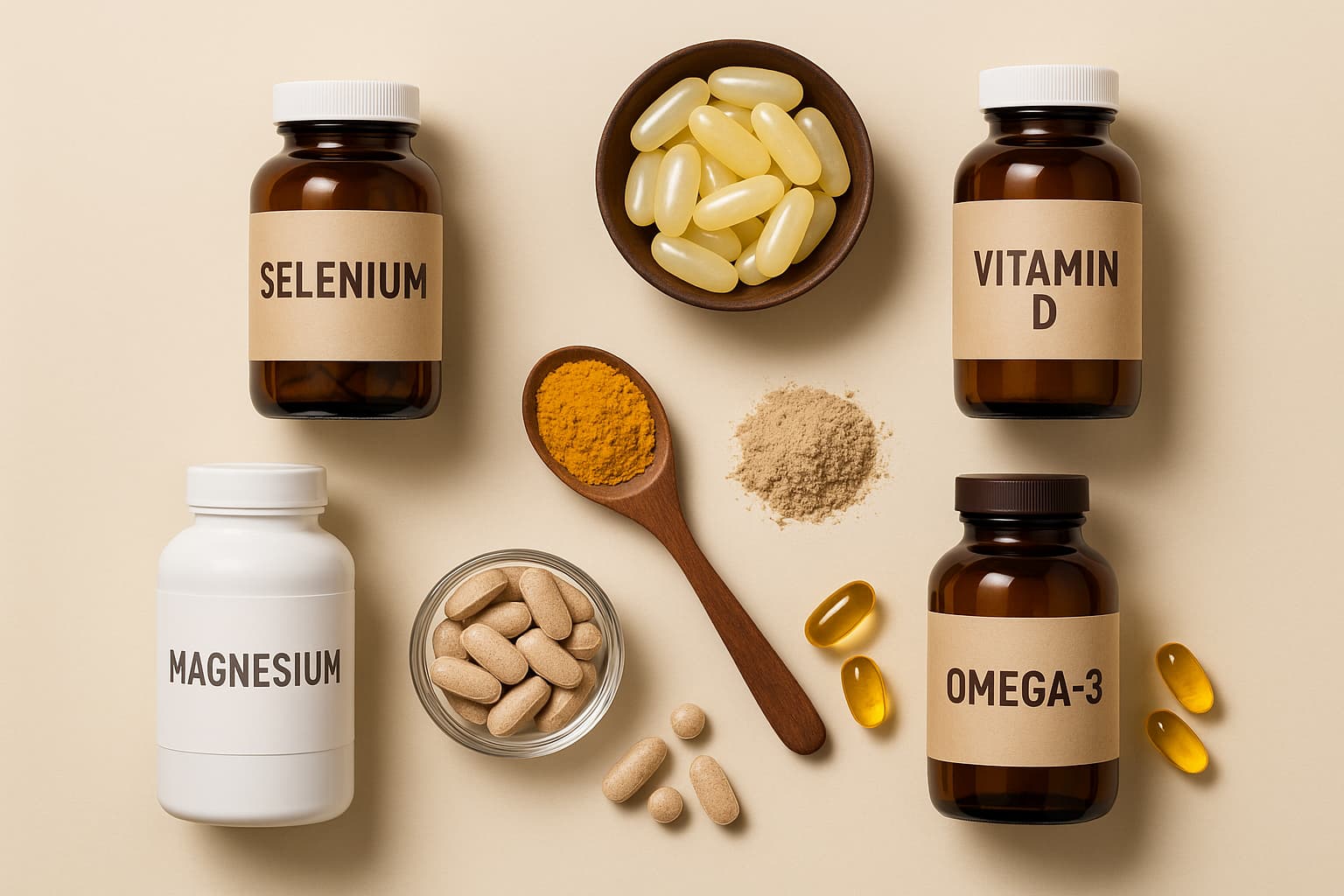
7 Supplements That Support Thyroid and Inflammation
The thyroid is a small but mighty gland that plays a vital role in regulating metabolism, energy levels, temperature control, and hormonal balance. When it’s underactive or inflamed—such as in Hashimoto’s thyroiditis—it can cause fatigue, weight gain, brain fog, depression, and other frustrating symptoms. Fortunately, beyond medications and dietary changes, certain supplements That Support Thyroid function and reduce inflammation in the body.
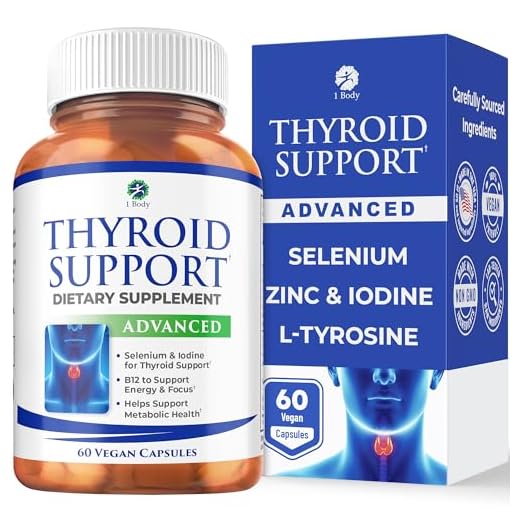

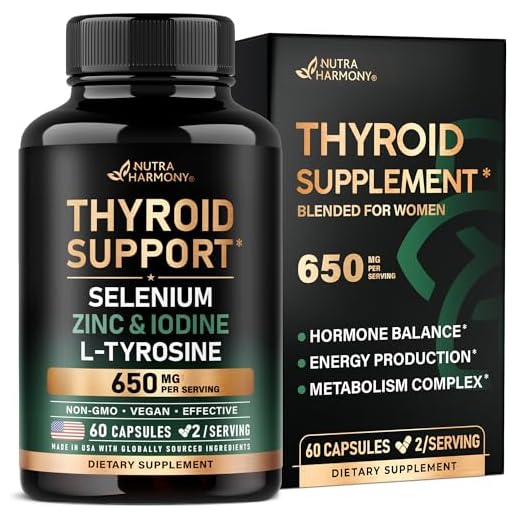
Related Articles: Anti-Inflammatory Diet for Hashimoto’s
Here’s a look at the most effective and evidence-backed supplements that support thyroid health and manage inflammation.
- Selenium: It is one of the most researched supplements that support thyroid. This trace mineral is essential for converting the inactive thyroid hormone (T4) into its active form (T3), and it also has strong antioxidant properties that help protect the thyroid gland from oxidative stress. In people with Hashimoto’s, studies have shown that selenium supplementation may lower thyroid antibodies (TPOAb) and reduce inflammation. A common dose used in studies is 200 mcg daily, usually in the form of selenomethionine. However, high doses can be toxic, so it’s best to work with a healthcare provider.
- Zinc is one of the supplements that support thyroid that plays a critical role in the synthesis of thyroid hormones and supports immune function. A deficiency can impair T3 production and contribute to sluggish thyroid activity. Zinc also works synergistically with selenium to support the conversion of T4 to T3. Research has shown improvements in thyroid hormone levels and mood when zinc is added to the diet. A typical supplemental dose ranges from 15–30 mg daily, ideally taken with food to avoid nausea.
- Vitamin D: Low vitamin D levels are common in individuals with autoimmune conditions like Hashimoto’s. Vitamin D plays a regulatory role in the immune system and may help prevent the immune system from attacking the thyroid gland. Supplementing with vitamin D3 has been shown to lower thyroid antibodies and reduce inflammation markers. Depending on your levels, dosages may range from 1,000 to 5,000 IU daily. A blood test is recommended to determine the appropriate dose.
- Magnesium is often referred to as the “relaxation mineral,” and for good reason—it supports hundreds of enzymatic reactions in the body, including those involved in hormone balance and inflammation control. Magnesium deficiency has been associated with increased inflammation and a higher risk of autoimmune disease. It may also help relieve constipation, muscle cramps, and anxiety, common symptoms in those with hypothyroidism. Magnesium glycinate or citrate are well-absorbed forms, and typical doses range from 200–400 mg per day.
- Omega-3 Fatty Acids (Fish Oil): Omega-3s are powerful anti-inflammatory compounds found in fatty fish and fish oil supplements. Chronic inflammation can worsen thyroid dysfunction, and omega-3s help modulate immune response and lower inflammatory cytokines. Studies suggest that supplementing with EPA and DHA (the active components of fish oil) can help reduce inflammation in autoimmune diseases and improve general well-being. Aim for a daily dose of 1,000–2,000 mg of combined EPA/DHA.
- Ashwagandha: This adaptogenic herb is well-known for supporting the adrenal-thyroid axis. It helps regulate stress hormones, particularly cortisol, which, in excess, can suppress thyroid function. Ashwagandha may help enhance energy, reduce stress, and improve thyroid hormone levels. Some studies show ashwagandha may increase T3 and T4 levels in people with subclinical hypothyroidism. However, it should be avoided by people with hyperthyroidism or certain autoimmune conditions unless approved by a healthcare provider.
- Curcumin (from Turmeric): Curcumin, the active ingredient in turmeric, has potent anti-inflammatory and antioxidant properties. It can help reduce systemic inflammation and may benefit autoimmune conditions, including Hashimoto’s. While turmeric in food is beneficial, curcumin supplements are more concentrated. Look for a bioavailable form (such as curcumin with black pepper or liposomal curcumin), and consider a dose of 500–1,000 mg daily to combat inflammation effectively.
Supplements can play a supportive role in managing thyroid conditions and inflammation, especially when used alongside a nutrient-rich, anti-inflammatory diet and appropriate medical care. However, it’s important to test your levels where appropriate and consult with a knowledgeable practitioner before starting any new supplement routine.
Supporting your thyroid naturally is possible—with the right tools, you can reduce inflammation, balance hormones, and feel more like yourself again.