Gluten and Dairy-Free Benefits for Hashimoto’s: Can Removing These Foods Help Your Thyroid?
Gluten and Dairy-Free Benefits for Hashimoto’s. Can removing these foods help your Thyroid? Hashimoto’s thyroiditis, an autoimmune condition in which the immune system attacks the thyroid gland, is the most common cause of hypothyroidism, particularly in women. While conventional treatment often includes hormone replacement therapy, more people are turning to dietary strategies to manage their symptoms. One approach gaining attention is eliminating gluten and dairy from the diet. But why are these two food groups so commonly linked to thyroid health, and how can going gluten and dairy-free benefit those with Hashimoto’s?
The Link Between Diet and Autoimmunity
Autoimmune diseases like Hashimoto’s often develop due to a combination of genetic predisposition, environmental triggers, and gut health imbalances. One of the biggest factors influencing autoimmunity is intestinal permeability—or “leaky gut”—a condition where the intestinal lining becomes compromised, allowing undigested food particles, toxins, and microbes to enter the bloodstream and trigger immune responses.
Gluten and dairy are among the most common food sensitivities in individuals with autoimmune conditions. Both can contribute to inflammation, digestive issues, and immune system dysregulation in susceptible individuals. Removing these foods may reduce the burden on the immune system and help restore balance, which is why Gluten and Dairy-Free diets are beneficial for Hashimoto’s.
Why Gluten-Free?
- Molecular Mimicry and Thyroid Tissue
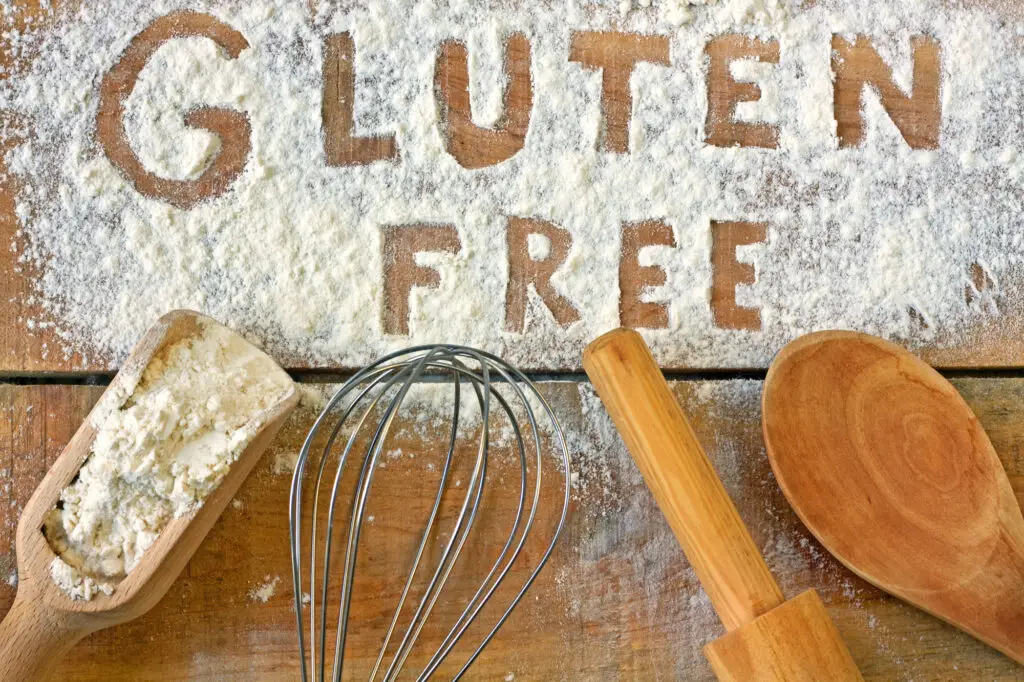
Gluten, the protein found in wheat, barley, and rye, contains gliadin, which structurally resembles thyroid tissue. When someone with Hashimoto’s consumes gluten, their immune system may mistakenly attack the thyroid gland due to this similarity—a process known as molecular mimicry. - Celiac Disease Connection
People with Hashimoto’s are significantly more likely to have celiac disease or non-celiac gluten sensitivity. Even without celiac disease, many report improvements in fatigue, brain fog, bloating, and thyroid symptoms when eliminating gluten from their diet. - Reducing Inflammation
Gluten can promote systemic inflammation in sensitive individuals, especially when gut health is already compromised. Cutting it out may help calm the immune system and reduce flare-ups.
Related post: 10 Easy Gluten-Free Recipes for Beginners and What Is Gluten and How Does It Affect the Body
Why Dairy-Free?
- Lactose and Casein Sensitivities
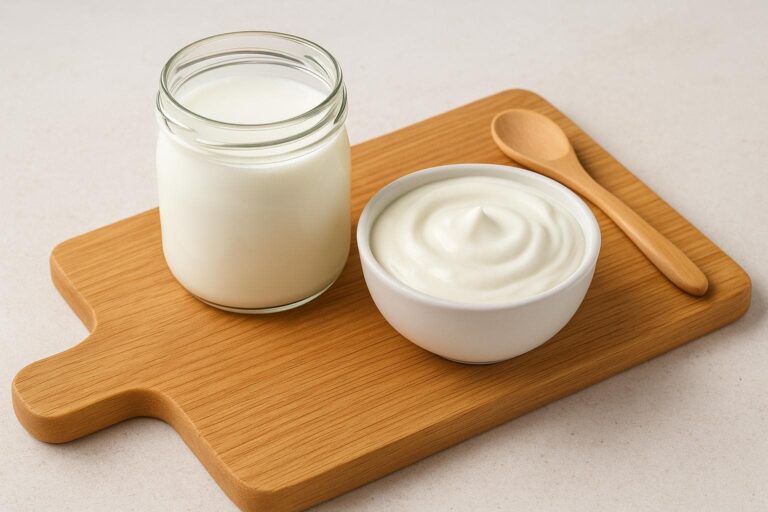
Dairy intolerance isn’t just about lactose; many people are sensitive to casein, the protein in milk. Casein, like gluten, can provoke an immune response and increase gut permeability. For those with autoimmune conditions, this can worsen symptoms and hinder healing. - Hormonal Impact
Dairy from conventional sources often contains added hormones or residues that may interfere with your hormone balance. Since the thyroid is part of the endocrine system, avoiding dairy may support more stable hormone function. - Symptom Improvement
Many Hashimoto’s sufferers report reduced mucus production, improved digestion, better skin health, and fewer aches and pains after removing dairy. These improvements suggest that dairy can be a hidden trigger in many autoimmune cases.
What the Research Says: Gluten and Dairy-Free Benefits for Hashimoto’s
While clinical studies are still evolving, some research supports the benefits of a gluten-free diet for Hashimoto’s. A 2019 study published in BMC Endocrine Disorders found that women with Hashimoto’s who adopted a gluten-free diet had significantly lower thyroid antibody levels and reported improved quality of life. Though evidence on dairy is more anecdotal, elimination diets commonly identify it as a trigger food for inflammation and autoimmune symptoms.
How to Start
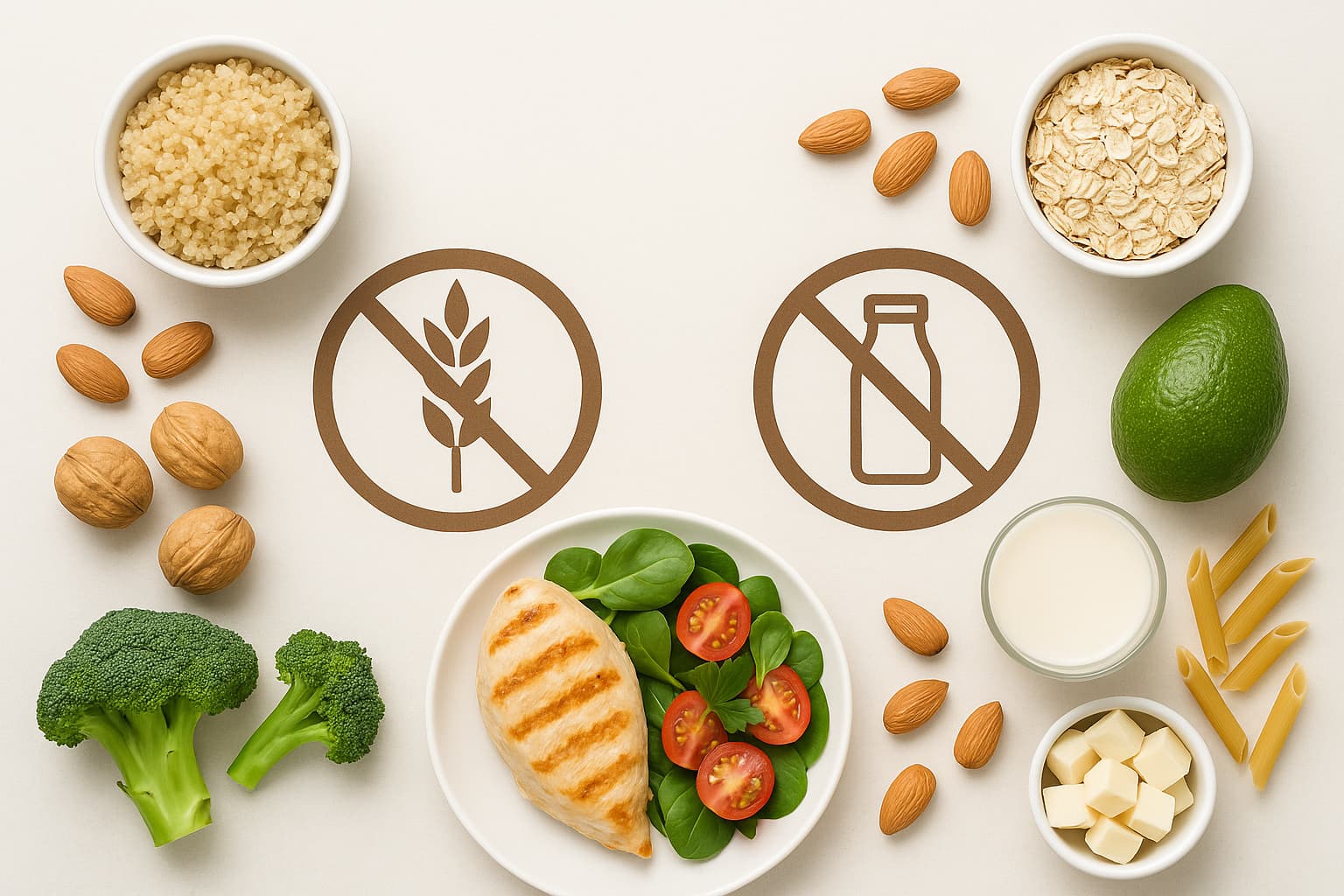
If you’re considering a gluten and dairy-free diet, start by replacing these foods with wholesome, nutrient-dense alternatives:
- Swap wheat-based bread and pasta with gluten-free versions made from rice, quinoa, or legumes.
- Replace cow’s milk with almond, coconut, or oat milk (unsweetened).
- Choose whole foods like fruits, vegetables, lean proteins, nuts, seeds, and healthy fats to build your meals.
- Work with a functional medicine practitioner or dietitian to ensure your nutritional needs are met and to guide your elimination and reintroduction phases if necessary.
Related article: Anti-Inflammatory Diet for Hashimoto’s
Going gluten and dairy-free isn’t a guaranteed cure for Hashimoto’s, but for many, it can be a powerful tool for reducing inflammation, balancing the immune system, and improving quality of life. Every individual is unique, so the best approach is to listen to your body, track your symptoms, and work with a knowledgeable health provider.
Your thyroid deserves nourishment, not stress. Eliminating common triggers like gluten and dairy might just be the step your body needs to heal. That is why Gluten and Dairy-Free Benefits for Hashimoto’s