How to Build a Nourishing Anti-Inflammatory Pantry (Food-Based Guide)
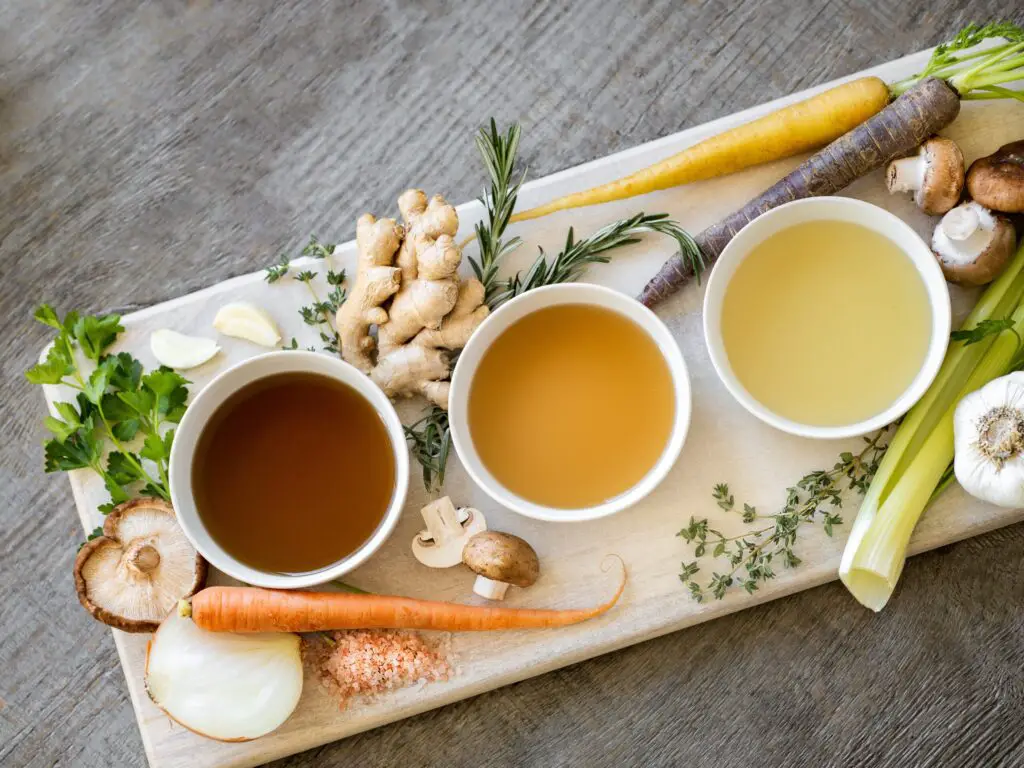
A well-stocked anti-inflammatory pantry makes it easier to cook balanced, flavorful meals using whole, minimally processed ingredients. By keeping your kitchen filled with everyday staples like healthy fats, whole grains, legumes, herbs, and spices, you’ll always have simple options for home cooking.
This guide focuses on practical pantry essentials commonly used in Mediterranean and plant-forward eating patterns, along with simple ways to use them in everyday meals.. For a broader overview of food-based anti-inflammatory eating, see my Anti-Inflammatory Diet For Beginners Guide
Anti-Inflammatory Pantry
Healthy Fats
- Extra Virgin Olive Oil: Why it’s essential: Packed with monounsaturated fats and antioxidants, olive oil is a key anti-inflammatory ingredient. How to use it: Drizzle on salads, use in marinades, or sauté vegetables.
- Avocado Oil: Why it’s essential: High in heart-healthy fats and perfect for high-heat cooking. How to use it: Great for roasting vegetables or pan-searing proteins.
- Nuts and Seeds: Examples: Almonds, walnuts, chia seeds, flaxseeds.Why they’re essential: Provide omega-3 fatty acids and fiber, which reduce inflammation. How to use them: Sprinkle on oatmeal, blend into smoothies, or use as toppings for salads.
Using Pantry Staples in Everyday Meals
Once your pantry is stocked, it’s easy to create simple, flavorful meals using everyday ingredients. Many of these staples work well across breakfast, lunch, and dinner.
Easy meal ideas include:
Breakfast Porridge with Turmeric and Almonds
Whole Grains
Quinoa
- Why it’s commonly used: A versatile, gluten-free whole grain often included in Mediterranean and plant-forward cooking.
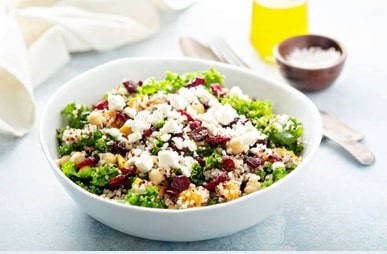
- How to use it: Cook as a base for grain bowls, add to soups and stews, or serve as a side dish.
Brown Rice and Farro
- Why they’re commonly used: Hearty whole grains that pair well with vegetables, legumes, and proteins.
- How to use them: Use as side dishes or mix into salads and warm bowls.
Simple meal ideas using whole grains:
Legumes
Chickpeas, Lentils, and Black Beans
- Why they’re commonly used: Staple ingredients in Mediterranean and plant-forward kitchens, valued for their versatility and texture.
- How to use them: Blend chickpeas into hummus, add lentils to soups and stews, or use black beans in wraps and grain bowls.
Simple Recipe Ideas Using Pantry Staples
These recipes use common pantry ingredients and can help you put these staples into practice:
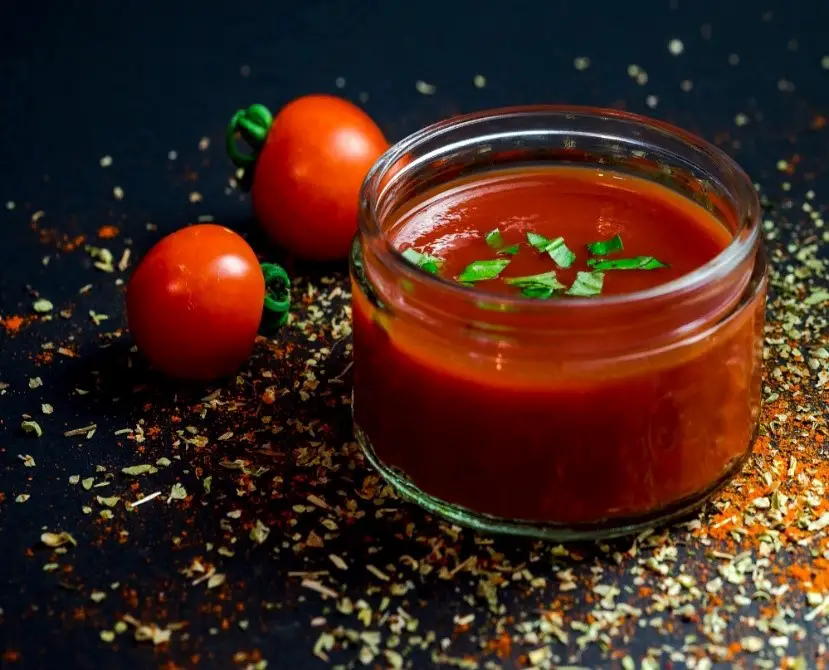
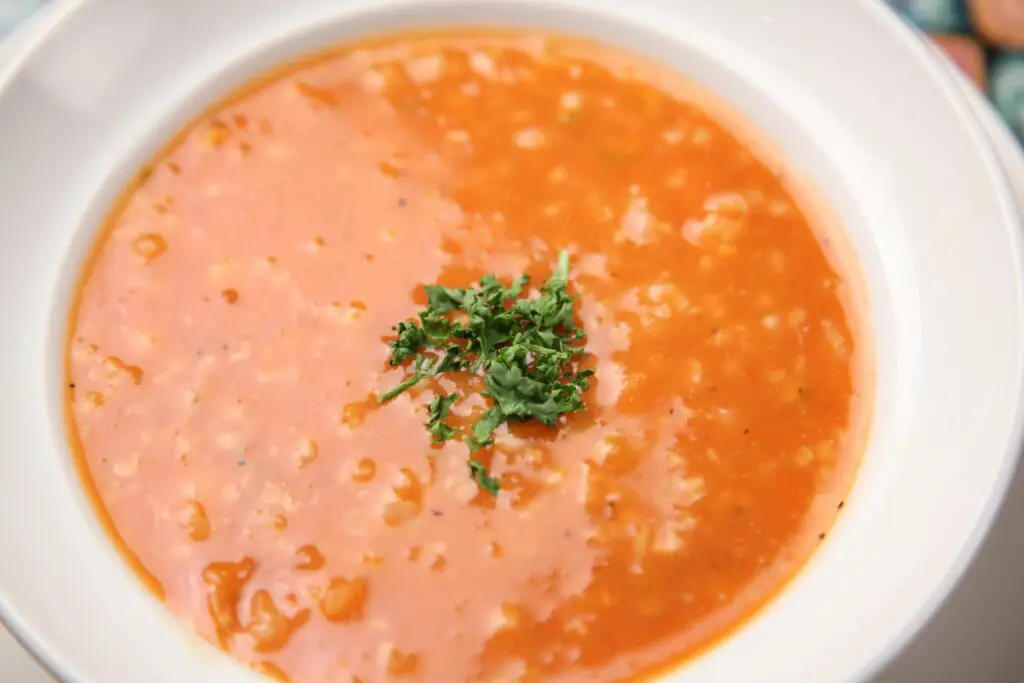
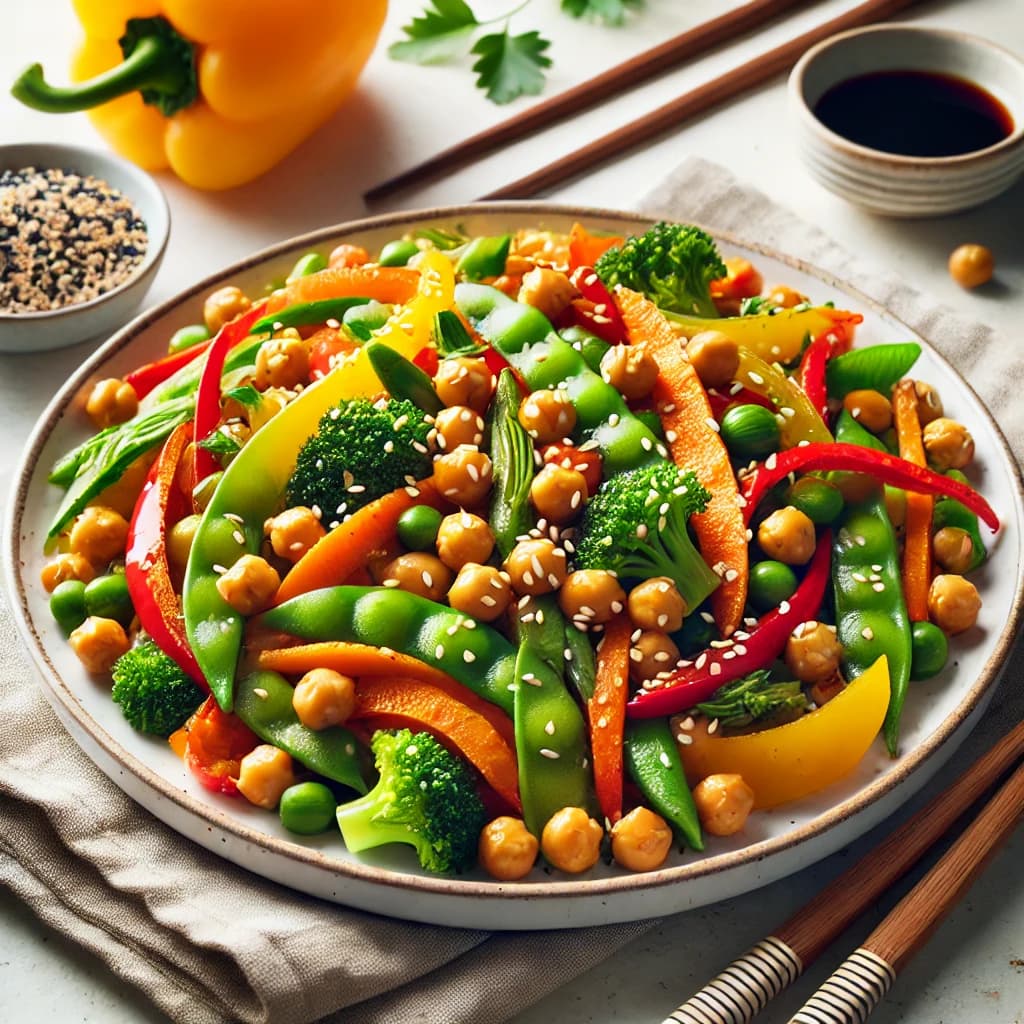
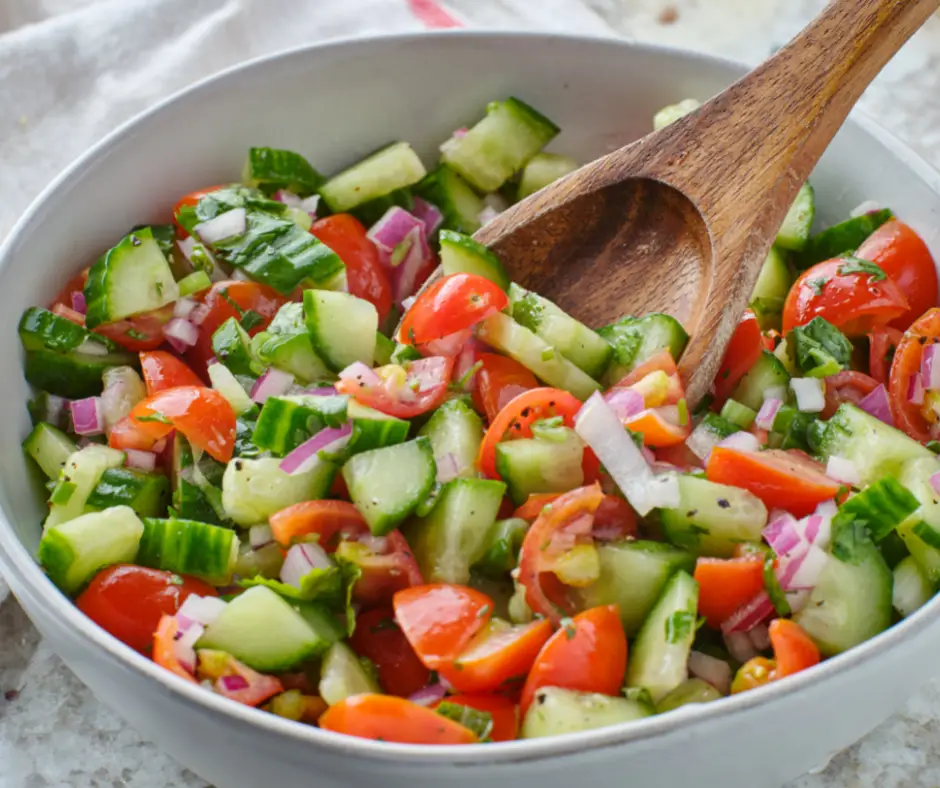
A well-stocked kitchen supports long-term success with an anti-inflammatory living approach that makes healthy choices easier every day.
Spices And Herbs
Spices and herbs play an important role in Mediterranean and plant-forward cooking, adding depth and flavor to everyday meals. Keeping a small selection on hand makes it easy to season dishes without relying on heavily processed ingredients.
Turmeric
- Why it’s commonly used: A warm, earthy spice frequently used in soups, curries, and grain dishes.
- How to use it: Stir into porridge, rice dishes, lentils, or sprinkle over roasted vegetables.
Ginger
- Why it’s commonly used: A versatile spice that adds brightness and warmth to both savory and sweet dishes.
- How to use it: Grate into stir-fries, soups, smoothies, or steep in hot water for tea.
Cinnamon
- Why it’s commonly used: A naturally sweet spice often used in breakfast dishes and baked goods.
- How to use it: Add to oatmeal, yogurt, smoothies, or sprinkle over roasted fruit.
Garlic
How to use it: Sauté with vegetables, add to soups and sauces, or roast whole cloves for spreads.
Why it’s commonly used: A foundational ingredient in Mediterranean cooking that adds bold flavor to meals.
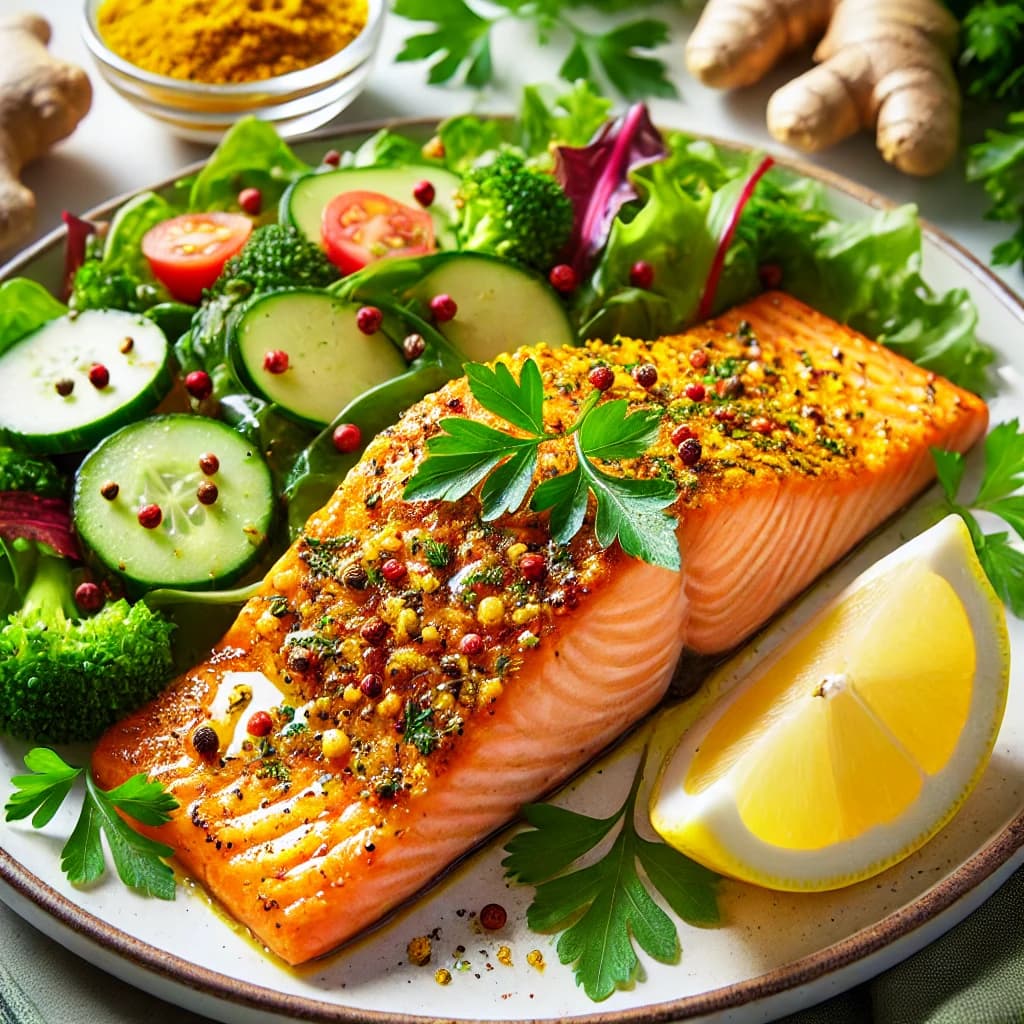
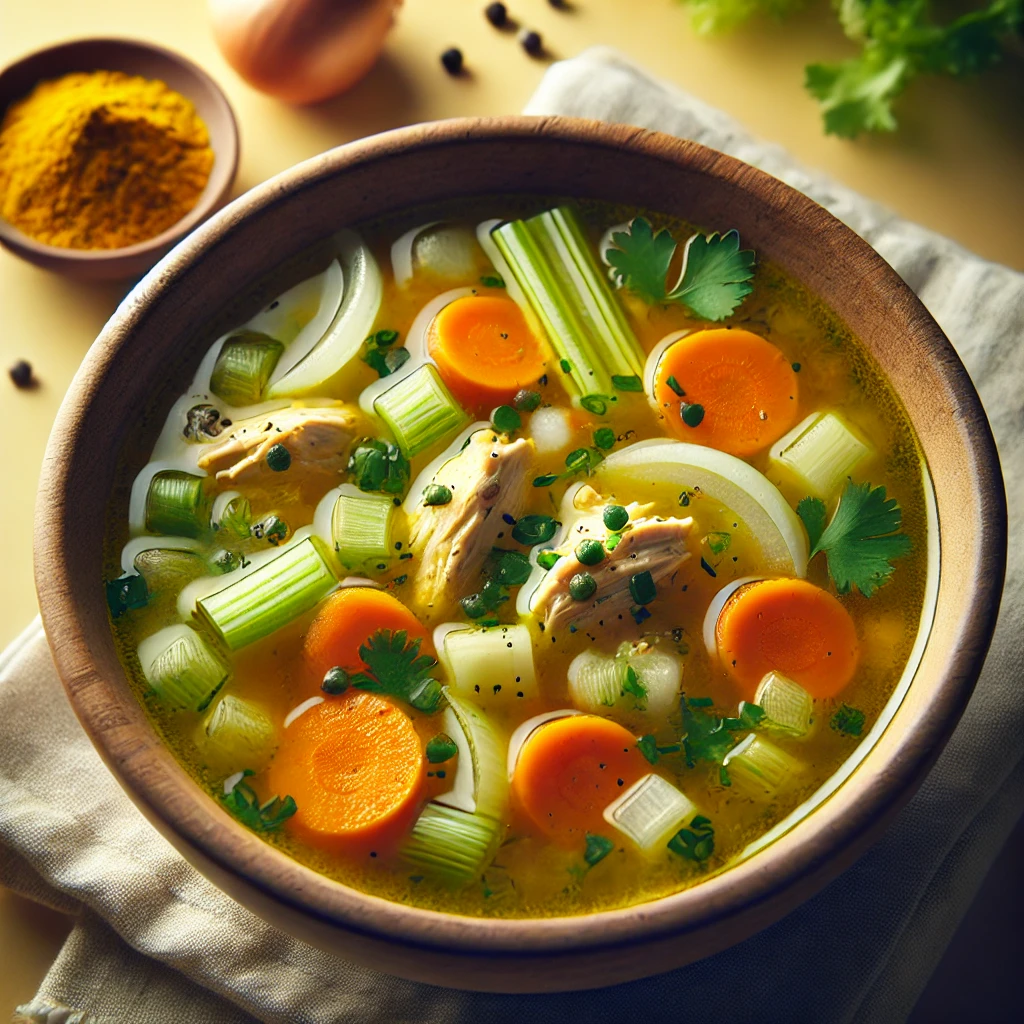
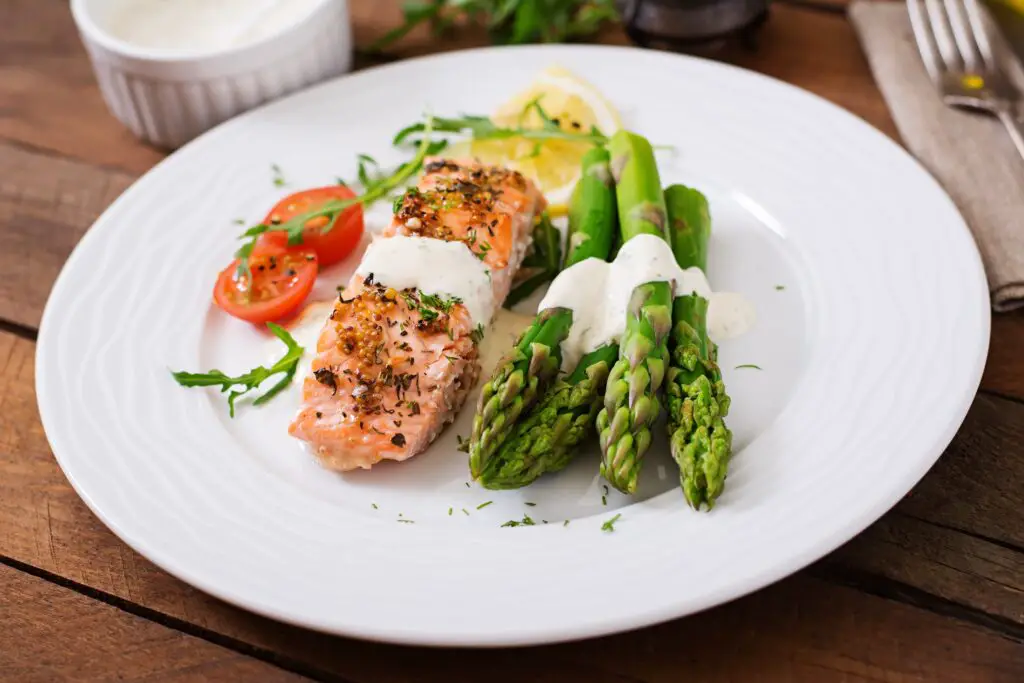
Recipes

Fruits and Vegetables
Fruits and vegetables form the foundation of Mediterranean and plant-forward cooking. Keeping a mix of fresh, canned, and frozen options on hand makes everyday meals easier to prepare.
Canned Tomatoes
- Why they’re commonly used: A pantry staple for sauces, soups, and stews.
- How to use them: Simmer into pasta sauces, add to soups, or use as a base for vegetable stews.
Frozen Berries
- Why they’re commonly used: Convenient to store and easy to use year-round.
- How to use them: Blend into smoothies or use as a topping for yogurt and breakfast bowls.
Sweet Potatoes
How to use them: Roast as a side dish or mash as a base for grain bowls.
Why they’re commonly used: A versatile root vegetable that works well in both savory and simple meals.
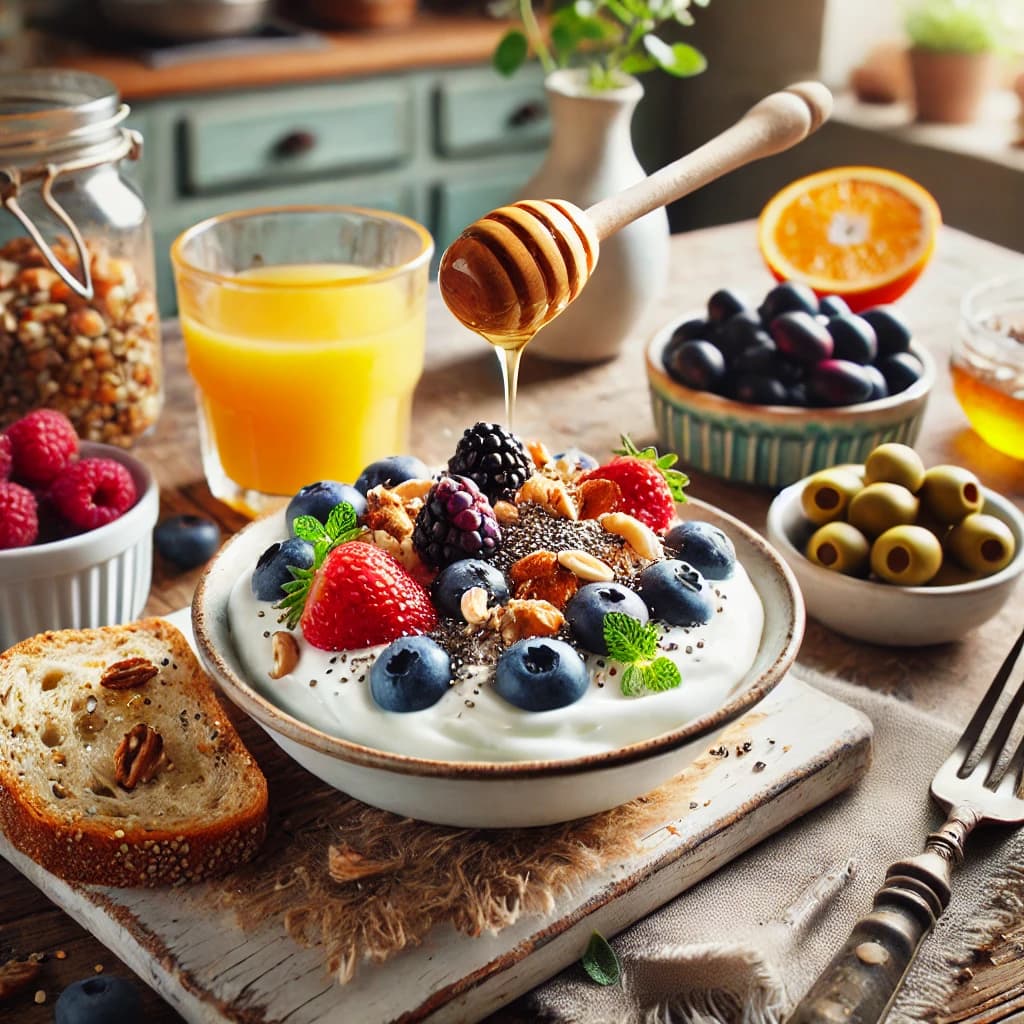
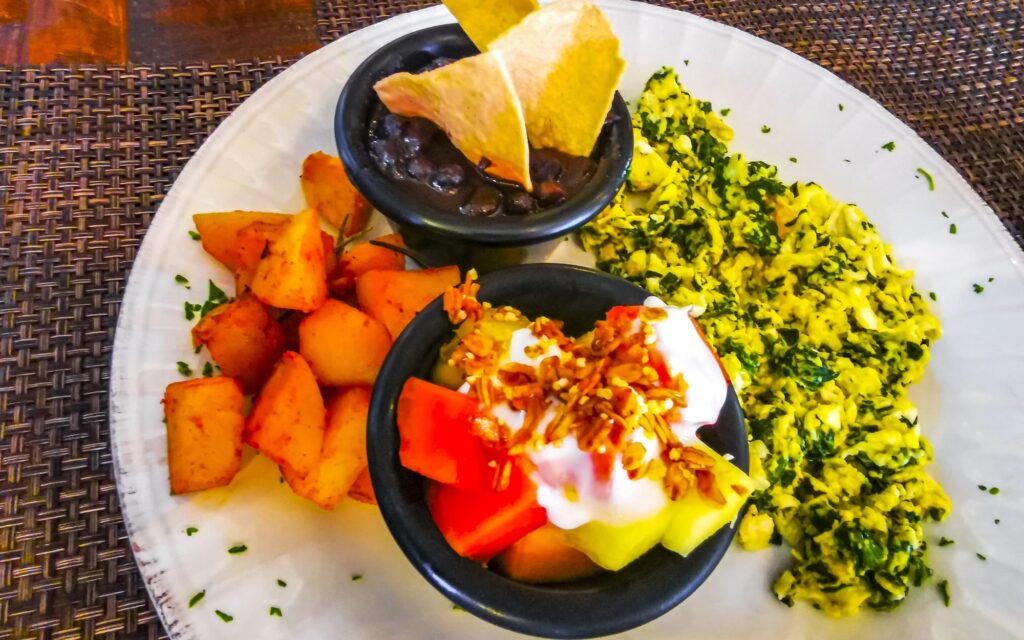
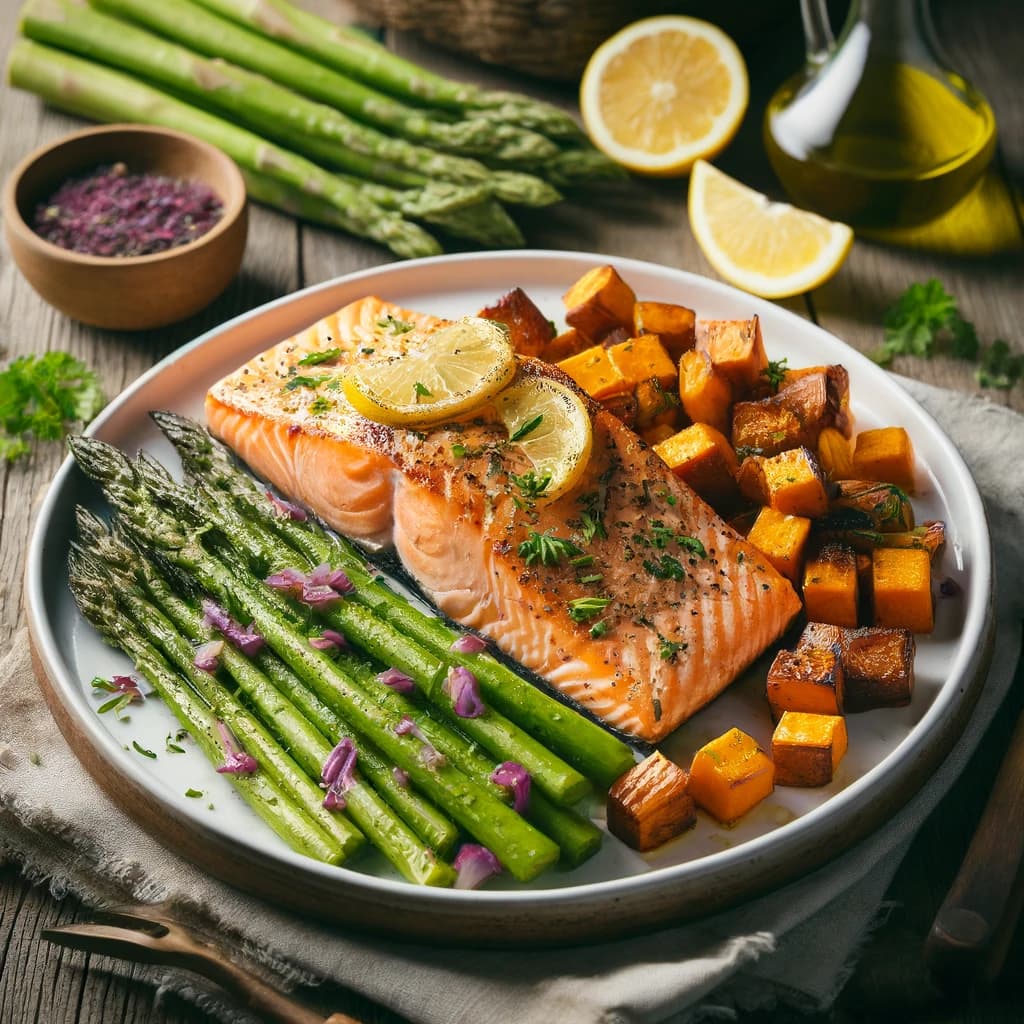
Simple Meal Ideas Using Fruits and Vegetables
Beverages
Simple beverages can also be part of a balanced, food-focused routine.
Green Tea
- Why it’s commonly enjoyed: A popular everyday beverage in many traditional diets.
- How to use it: Brew and enjoy hot or cold, plain or with a slice of lemon.
Herbal Teas
How to use them: Steep in hot water and enjoy as a calming drink.
Examples: Chamomile, ginger, and turmeric teas
Why they’re commonly enjoyed: Often chosen for their flavor and warmth.
Final Tips for Stocking Your Pantry
Buy in Bulk: Purchase staples like grains, legumes, and nuts in bulk to save money and ensure you always have them on hand.
Opt for Organic: When possible, choose organic versions of items like olive oil and spices to avoid unnecessary additives.
Label and Organize: Keep your pantry organized with labeled jars and containers for easy access.
By stocking your pantry with these essentials, you’ll be ready to prepare nourishing, anti-inflammatory meals at any time. With these staples at your fingertips, embracing an anti-inflammatory diet becomes simple and sustainable
Do you want more recipes? Check my book Anti-Inflammatory Mediterranean Diet Cookbook 84 Easy Recipes to Reduce Inflammation, Improve Gut Health & Digestion, and Stop Bloating Naturally — 7-Day Meal Plan Included