Why Do I Feel Hungry After Eating? Causes + How to Stay Full Longer
Why do I feel hungry after eating? If you find yourself getting hungry shortly after a meal, you’re not alone. This is a common issue and is often linked to how your body processes food and regulates blood sugar. Feeling hungry shortly after eating can be frustrating—especially when you’ve just had a full meal. If this happens often, it’s usually not about “lack of willpower,” but rather how your body is processing food and regulating blood sugar.
In many cases, frequent hunger after meals is linked to unstable blood sugar levels, poor meal balance, or even early signs of insulin resistance. In this guide, you’ll learn why this happens and what you can do to stay full longer and keep your energy stable throughout the day.
Why Do I Feel Hungry After Eating?
Many people wonder why they feel hungry after eating… There are several common reasons why hunger comes back quickly after a meal:
1. Your Meal Lacked Protein
Protein helps you feel full and slows digestion. If your meal is mostly carbs, your body burns through it quickly, leaving you hungry again.
2. Not Enough Fiber
Fiber slows down how fast food is digested and helps stabilize blood sugar. Low-fiber meals can lead to faster hunger.
3. Blood Sugar Spikes and Crashes
When you eat refined carbs or sugary foods, your blood sugar rises quickly—and then drops. That drop can trigger hunger, cravings, and fatigue.
4. Too Many Refined Carbohydrates
Foods like white bread, pastries, or sugary cereals digest quickly and don’t keep you full for long.
5. You’re Not Eating Enough Calories
Sometimes hunger is simply your body asking for more fuel.
Could It Be Insulin Resistance?
If you constantly feel hungry after eating—especially combined with cravings, fatigue, or weight gain—it may be linked to insulin resistance.
When your body doesn’t respond well to insulin, it struggles to properly use glucose for energy. This can lead to:
- Frequent hunger
- Cravings (especially sugar)
- Energy crashes after meals
If this sounds familiar, read our full guide: How to Reverse Insulin Resistance
How to Stay Full Longer After Meals
The good news: small changes can make a big difference.
Build Balanced Meals
Every meal should include:
- Protein (eggs, chicken, tofu)
- Fiber (vegetables, beans), read more about 15 foods with more fiber
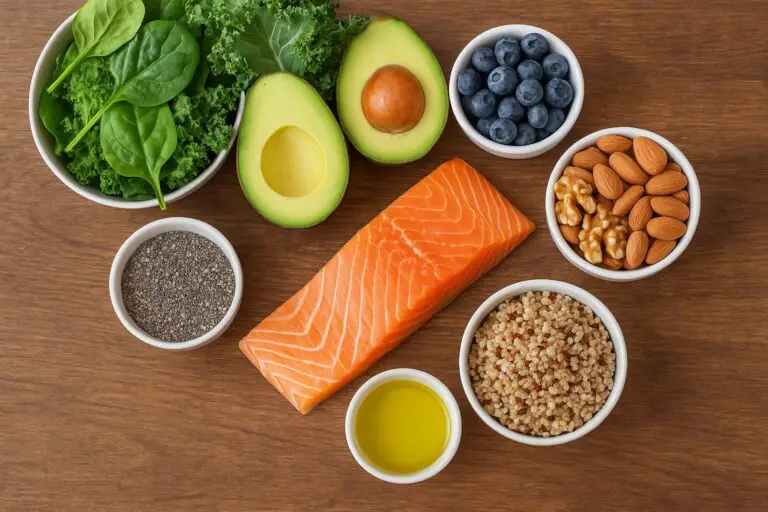
- Healthy fats (avocado, olive oil)
Avoid Eating Carbs Alone
Instead of:
- Toast alone
Try:
- Toast + eggs + avocado
Add More Protein to Breakfast
A low-protein breakfast is one of the biggest causes of early hunger.
Walk After Meals
Even a short 10–15 minute walk can help regulate blood sugar and reduce hunger swings.
Stay Hydrated
Sometimes thirst is mistaken for hunger.
Simple Meal Example That Keeps You Full
Instead of:
- Cereal with milk
Try:
- Eggs + spinach + avocado + whole grain toast
Why it works:
- Protein + fiber + fats = stable energy
When to Pay Attention
Occasional hunger is normal. But if you experience this daily, it may be worth paying attention to your eating patterns and overall metabolic health.
Feeling hungry soon after eating is usually a signal—not a failure. In most cases, it comes down to how your meals are structured and how your body handles blood sugar. By focusing on balanced meals, reducing refined carbs, and supporting your metabolism, you can stay full longer and feel more energized throughout the day.
You Might Also Like
No posts