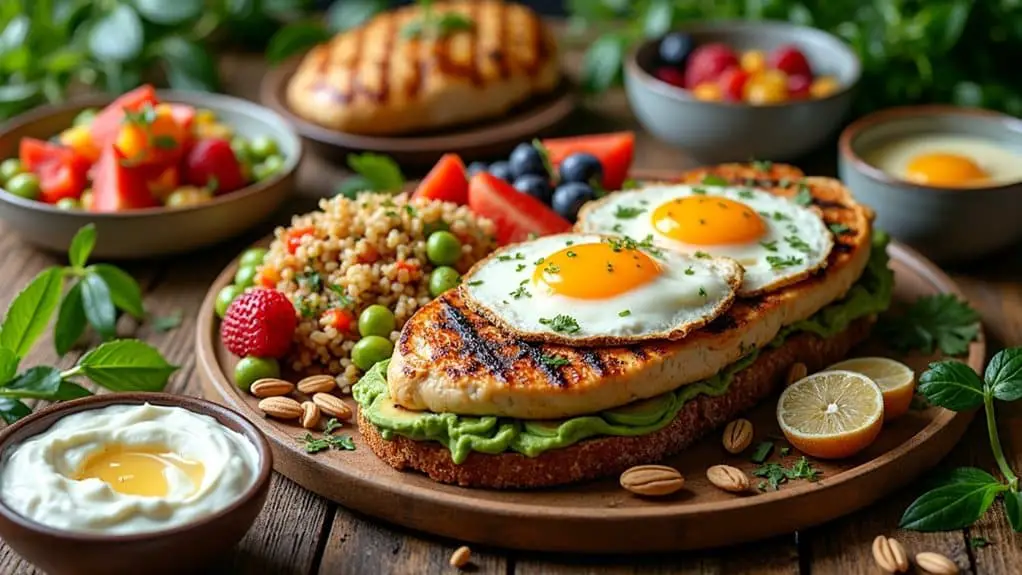
High-Protein Diet Guide for Beginners: Benefits, Foods List & 7-Day Meal Plan
Protein is often called the building block of life—and for good reason. Whether you’re trying to lose weight, build muscle, or age gracefully, protein plays a critical role in your health. But with so much conflicting advice online, it’s easy to wonder: How much protein do I really need? Which foods should I focus on? Is a high-protein diet safe long-term?
This guide breaks it all down. You’ll learn what a high-protein diet is, its benefits, grocery staples, sample meals, a 7-day plan preview, and answers to FAQs—so you can start confidently.
What Is a High-Protein Diet?
A high-protein diet emphasizes consuming more protein than the standard recommendations. While general nutrition guidelines suggest about 0.8 grams of protein per kilogram of body weight, a high-protein approach typically raises this to 1.2–2.0 grams per kilogram.
This usually means:
- 25–35% of daily calories from protein (vs. the usual 10–15%).
- Balance the rest with healthy fats and whole-food carbohydrates.
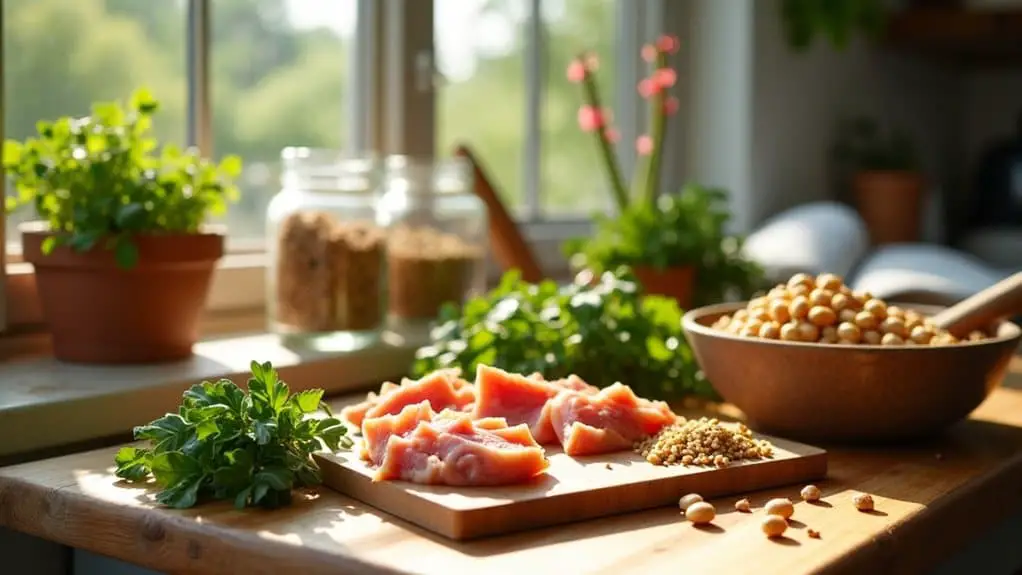
- Focus on lean meats, fish, eggs, dairy, legumes, soy, nuts, seeds, and protein powders if needed.
Unlike very low-carb diets, high-protein eating doesn’t eliminate carbs—it simply redistributes macronutrients to prioritize protein while keeping meals balanced. Popular variations include the Zone Diet, Paleo, certain low-carb diets, and even plant-based high-protein approaches.
Watch: 3 Things to Know About High-Protein Diets with Dr. Andreas Eenfeldt
If you’re new to a high-protein diet, this short video explains the three most important things to understand before getting started. Dr. Andreas Eenfeldt breaks it down in a simple, science-based way—making it easier to see how protein supports weight loss, muscle building, and long-term health.
Health Benefits of a High-Protein Diet


1. Weight Loss & Metabolism Boost
Protein has a thermic effect—your body burns more calories digesting it (20–30%) compared to carbs or fat. This boosts metabolism and helps you stay in a calorie deficit naturally.
2. Muscle Growth & Repair
Protein’s amino acids are essential for building and repairing lean muscle. Without enough, your workouts won’t translate into strength or body composition changes.
3. Enhanced Satiety
Protein triggers hormones that signal fullness, keeping cravings in check. You’ll feel satisfied longer after high-protein meals compared to carb-heavy ones.
4. Healthy Aging & Longevity
Protein helps preserve muscle mass, bone strength, immune function, and wound healing as you age. It’s especially important to prevent sarcopenia (age-related muscle loss).
Benefits of a high-protein diet → Learn the science behind protein and weight loss here. How Protein Helps You Lose Weight and Keep It Off: 5 Reasons
How much protein you need (by age, gender, activity level)
Your ideal intake depends on age, gender, activity level, and goals:
- Sedentary adults: 1.0–1.2 g/kg body weight.
- Active adults: 1.4–1.8 g/kg.
- Athletes or strength training: 1.6–2.2 g/kg.
- Older adults (50+): 1.2–1.6 g/kg to preserve muscle.
Example: A 70 kg (154 lb) adult aiming for weight loss and light exercise might target 100–120 grams of protein daily.
Related article: How Much Protein Do I Need By Age and Gender
Grocery List: High-Protein Staples
Here are your must-have categories for a well-rounded high-protein kitchen:
Animal-Based Proteins
- Chicken breast, turkey, lean beef
- Salmon, tuna, sardines, cod
- Eggs & egg whites
- Greek yogurt, cottage cheese
Plant-Based Proteins
- Lentils, chickpeas, black beans, kidney beans
- Edamame, tofu, tempeh, seitan
- Quinoa, buckwheat, hemp seeds
Snacks & Add-Ons
- Almonds, walnuts, pistachios
- Chia seeds, flaxseeds, sunflower seeds
- Protein powder (whey, pea, hemp)
See our ranked list: Want More Energy? These 8 High-Protein Foods Are a Must
Sample High-Protein Recipes
Breakfast: Spinach & Feta Omelet
- 3 eggs + spinach + feta cheese
- 25g protein
Lunch: Grilled Chicken Quinoa Salad
- Chicken breast, quinoa, chickpeas, mixed veggies, olive oil dressing
- 35g protein
Snack: Greek Yogurt with Berries & Almonds
- Greek yogurt + ½ cup berries + handful almonds
- 15g protein
Dinner: Baked Salmon with Roasted Sweet Potato & Broccoli
- Salmon fillet + sweet potato + broccoli
- 30g protein
Read more: 20 Best High-Protein Snacks for Energy & Satiety
7-Day High-Protein Meal Plan
This 7-Day High-Protein Meal Plan is designed to give you energy, support muscle growth, and keep
you feeling full all day long. Each day averages 120–140g of protein, 25–35g of fiber, and a balance of
healthy fats and carbs. Enjoy delicious, nutrient-rich meals made from wholesome foods. For more
high-protein recipes, visit Healthy Easy Recipes
Day 1
- Breakfast: Protein Pancakes (~30g Protein)
- Snack: Protein Smoothie – Protein Powder, Milk, Banana, Peanut Butter, and Spinach (~35g Protein)
- Lunch: Greek Chicken Pita with tzatziki + side lentil salad (~40g)
- Dinner: Baked salmon fillet with quinoa and steamed broccoli (~45g)
Day 2
- Breakfast: Overnight Oats – Oats Soaked in Milk With Protein Powder, Greek Yogurt, and Berries (~25g Protein)
- Snack: Cottage Cheese Bowl – 1 Cup Cottage Cheese With Sliced Banana, Almonds, and Chia Seeds (~24g Protein)
- Lunch: Grilled turkey burger with roasted veggies (~40g)
- Dinner: Chicken stir-fry with broccoli, bell peppers, and cashews (~45g)
Day 3
- Breakfast: Egg White Omelet – 4 Egg Whites With Vegetables, Lean Ham, and Cheese (~20g Protein)
- Snack: Greek yogurt with chia + scoop of protein powder mixed in (~30g)
- Lunch: Smoked Salmon Bagel on whole-grain bagel thin + side salad (~35g)
- Dinner: Lean beef chili with beans (~45g)
Day 4
- Breakfast: Quinoa Breakfast Bowl – Cooked Quinoa With Greek Yogurt, Nuts, Seeds, and Fruit (~18g Protein)
- Snack: Protein Smoothie with extra hemp seeds (~30g)
- Lunch: Chicken Caesar salad (grilled chicken, romaine, light Caesar, parmesan) (~40g)
- Dinner: Grilled shrimp skewers + roasted sweet potato + asparagus (~40g)
Day 5
- Breakfast: Cottage Cheese Bowl with blueberries, walnuts, chia (~25g)
- Snack: 2 boiled eggs + protein bar (~25g)
- Lunch: Greek Chicken Pita – Grilled Chicken in Pita With Tzatziki, Vegetables, and Feta Cheese (~30g Protein)
- Dinner: Garlic butter baked salmon + quinoa + sautéed spinach (~45g)
Day 6
- Breakfast: Protein Pancakes with almond butter drizzle (~35g)
- Snack: Greek yogurt + whey protein stirred in + raspberries (~30g)
- Lunch: Turkey & avocado wrap + edamame on the side (~40g)
- Dinner: Grilled chicken breast + roasted Brussels sprouts + lentils (~45g)
Day 7
- Breakfast: Smoked Salmon Bagel (whole-grain thin, cream cheese, cucumber) (~35g)
- Snack: Protein Smoothie (protein powder, almond milk, oats, spinach, almond butter) (~30g)
- Lunch: Egg White Omelet with ham + side cottage cheese (~40g)
- Dinner: Lean beef steak + quinoa + roasted veggies (~45g)
✅ Macros (daily average):
- Protein: ~120–140g
- Balanced carbs & healthy fats
- Fiber: 25–35g/day (from oats, beans, quinoa, fruit, chia, veggies)
FAQs About the High-Protein Diet
Is too much protein harmful?
For healthy adults, up to 2.2 g/kg body weight is generally safe. If you have kidney disease, consult your doctor.
Can vegetarians or vegans do a high-protein diet?
Yes. With strategic combinations (lentils + rice, tofu + quinoa, nuts + seeds), you can meet protein needs without animal foods.
Do high-protein diets cause bone loss?
No. Research shows that adequate protein supports bone density, especially when combined with calcium-rich foods.
What is the 30-30-30 protein rule?
Aim for 30 grams of protein per meal, three times per day. This supports steady muscle maintenance and satiety.
Are two eggs enough protein for a day?
No—two eggs only provide about 12 grams. They’re a great start, but you’ll need more sources to meet daily needs.
A high-protein diet isn’t just for athletes—it’s a flexible, science-backed approach that helps with weight loss, energy, muscle building, and healthy aging. By stocking up on protein-rich staples, balancing macros, and planning meals strategically, you’ll set yourself up for success.
You don’t have to overhaul your entire diet overnight. Start by adding one extra protein-rich meal per day, then expand. Over time, you’ll notice better energy, less hunger, and sustainable results.
Ready to start? Explore my 7-Day High-Protein Meal Plan and check out the High-Protein Cookbook Collection for more recipes and tips.