Insulin Resistance Diet: How the Mediterranean Lifestyle Balances Blood Sugar (+ 1-Day Meal Plan)
This Mediterranean diet insulin resistance guide explains what to eat, what to limit, and how to start with a simple 1-day plan. If you’ve been told you have insulin resistance or you’re concerned about developing prediabetes, you’re not alone. Millions of people struggle with blood sugar spikes, stubborn belly fat, constant cravings, and fatigue after meals — all signs that the body isn’t using insulin effectively.
The good news? Diet plays a powerful role in reversing or managing insulin resistance, and one of the most trusted, science-backed eating patterns is the Mediterranean diet. Unlike restrictive fad diets, it focuses on whole foods, healthy fats, and fiber-rich meals that naturally support better blood sugar balance.
For the complete strategy behind blood sugar balance, explore our full insulin resistance guide.
In this complete guide, you’ll learn:
- What insulin resistance is and why it matters
- Why the Mediterranean diet is one of the best diets for insulin resistance
- A food list of what to eat and avoid
- A sample 1-day Mediterranean meal plan to get started
- Answers to common questions about insulin resistance and diet
Let’s dive into how the Mediterranean diet can help you take control of your health and energy.
While diet is the foundation, certain supplements for insulin resistance may provide additional support
What is Insulin Resistance?
Insulin resistance occurs when your cells stop responding effectively to insulin, the hormone responsible for regulating blood sugar levels. As a result, your body needs to produce more insulin to stabilize glucose levels. Over time, this can lead to higher blood sugar, weight gain, fatigue, and an increased risk of prediabetes and type 2 diabetes.
How Insulin Normally Works
Insulin is a hormone made by your pancreas that helps move glucose (sugar) from your bloodstream into your cells for energy.
What Happens With Insulin Resistance
When you have insulin resistance, your cells stop responding properly to insulin. This means your body has to release more insulin to keep blood sugar stable. Over time, this can lead to high insulin levels, higher blood sugar, and eventually prediabetes or type 2 diabetes.
Common Signs of Insulin Resistance
- Cravings for sugar and carbs
- Weight gain, especially around the abdomen
- Fatigue after meals
- Brain fog or trouble focusing
- Difficulty losing weight despite effort
- Irregular menstrual cycles (in women)
Why Early Action Matters
Left unmanaged, insulin resistance increases the risk of:
- Prediabetes and type 2 diabetes
- Heart disease
- High blood pressure
- Fatty liver disease
The good news? Diet and lifestyle play a powerful role in preventing and even reversing insulin resistance — which is where the Mediterranean diet shines.
Why the Mediterranean Diet For Insulin Resistance Helps
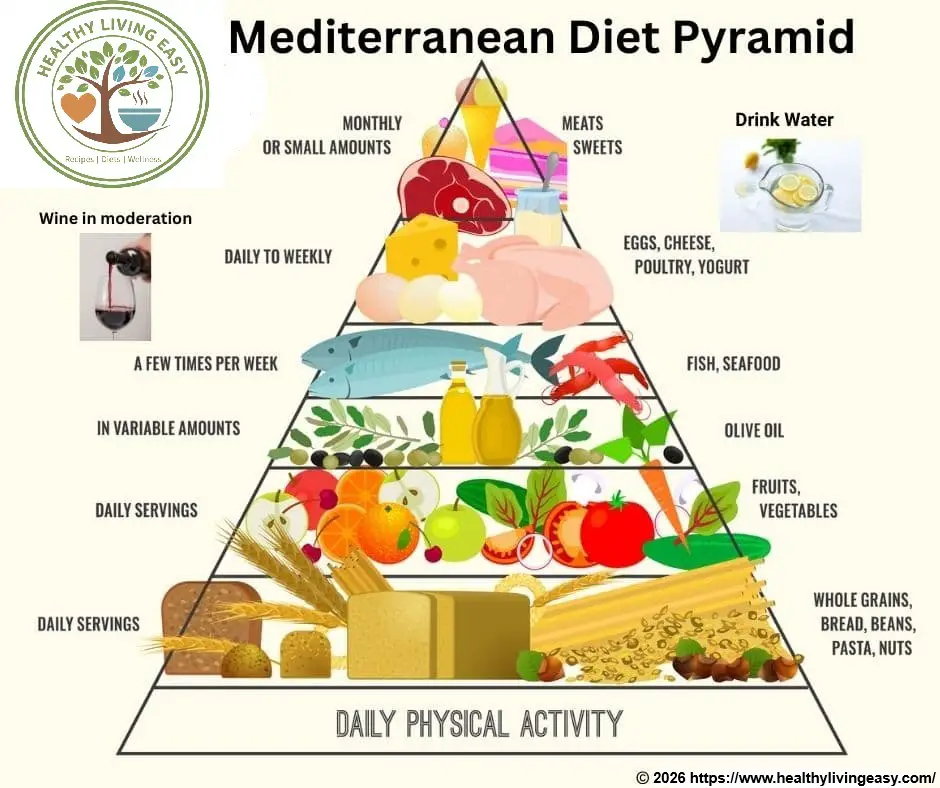
The Mediterranean diet isn’t a fad — it’s one of the most researched eating patterns in the world. Studies show it improves insulin sensitivity, lowers the risk of type 2 diabetes, and supports long-term blood sugar balance. Unlike restrictive diets, it focuses on real, nourishing foods that work with your body rather than against it. The NIH explains that insulin resistance is a major risk factor for type 2 diabetes, but lifestyle changes like the Mediterranean diet can help lower your risk.
Here’s why the Mediterranean diet is considered one of the best diets for insulin resistance:
Low-Glycemic, High-Fiber Foods
Whole grains, legumes, fruits, and non-starchy vegetables are naturally low on the glycemic index. They release energy slowly, preventing sharp spikes and crashes in blood sugar.
Healthy Fats That Improve Cell Function
Olive oil, nuts, seeds, and fatty fish like salmon are rich in monounsaturated fats and omega-3s, which reduce inflammation and make your cells more responsive to insulin.
Rich in Fiber for Better Blood Sugar Control
The Mediterranean diet emphasizes fiber from vegetables, legumes, and whole grains. Fiber slows digestion, keeps you full longer, and reduces post-meal insulin surges.
Naturally Anti-Inflammatory
Chronic inflammation is a key driver of insulin resistance. The Mediterranean diet is loaded with antioxidants and polyphenols (from foods like berries, herbs, and olive oil) that calm inflammation throughout the body.
Balanced Meals Without Restriction
Unlike strict low-carb or low-fat diets, Mediterranean meals naturally balance carbs, proteins, and fats. This helps regulate hunger hormones and makes the diet sustainable long-term.
Curious about the science behind reversing insulin resistance? Read next: Can the Mediterranean Diet Reverse Insulin Resistance?
Mediterranean Diet Foods for Insulin Resistance
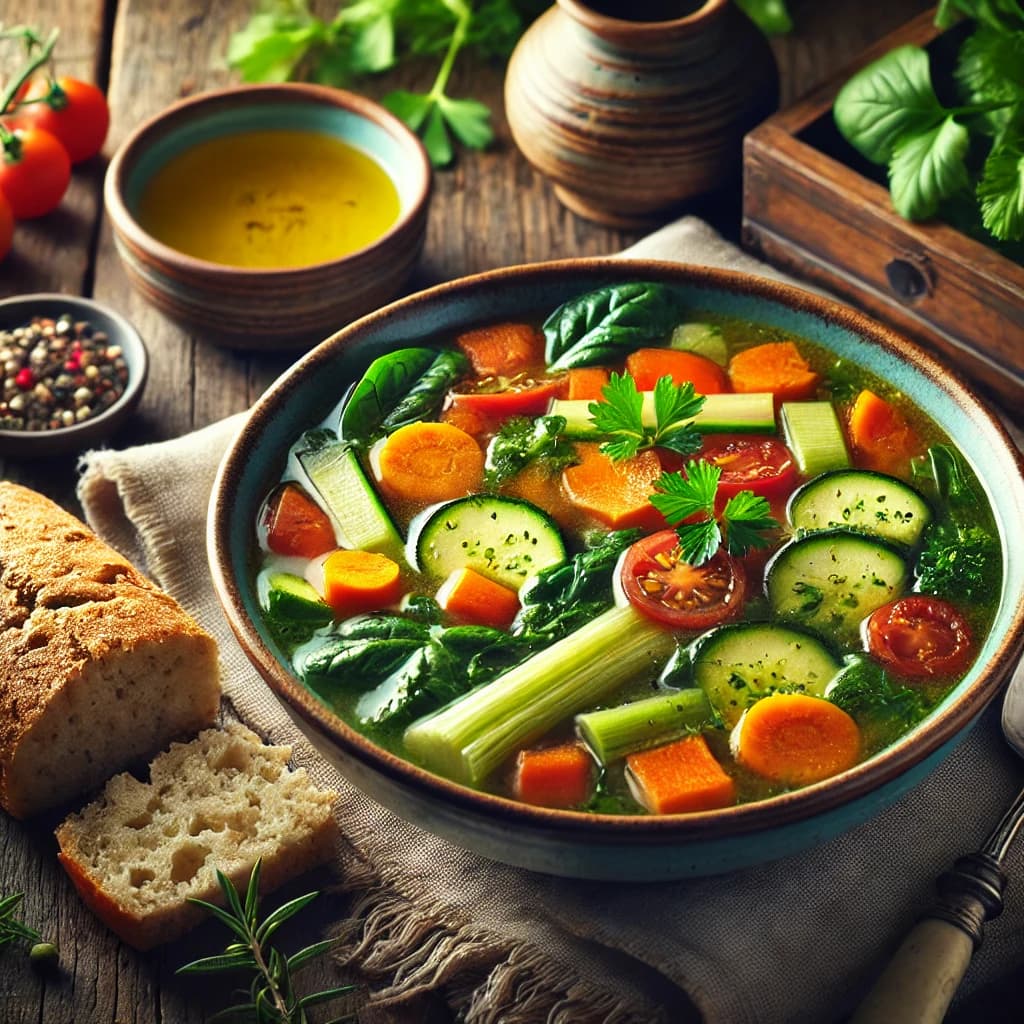
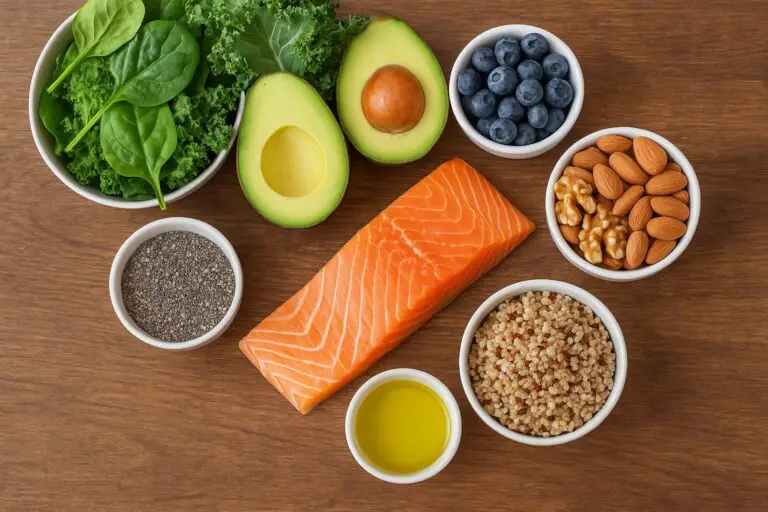
The right foods can make a big difference in managing blood sugar. The Mediterranean diet naturally emphasizes whole, unprocessed foods that keep insulin levels steady and inflammation low.
Mediterranean Diet Insulin Resistance: Foods to Eat & Avoid
Whole Grains (choose high-fiber, low-glycemic options):
- Quinoa, farro, barley, oats, brown rice
- 100% whole-grain or sprouted bread
Non-Starchy Vegetables (unlimited portions):
- Leafy greens: spinach, kale, arugula
- Cruciferous: broccoli, cauliflower, Brussels sprouts
- Others: zucchini, peppers, cucumber, eggplant
Legumes (fiber + plant-based protein):
- Lentils, chickpeas, black beans, kidney beans
Lean Protein Sources:
- Fish (salmon, sardines, mackerel) 2–3x per week
- Skinless chicken or turkey
- Eggs in moderation
Healthy Fats (improve insulin sensitivity):
- Extra-virgin olive oil (primary cooking oil)
- Nuts: almonds, walnuts, pistachios
- Seeds: chia, flax, pumpkin, sunflower
- Avocado
Low-Glycemic Fruits:
- Berries (blueberries, strawberries, raspberries)
- Apples, pears, citrus fruits, cherries
Flavor Boosters:
- Fresh herbs (basil, thyme, rosemary, oregano)
- Spices with anti-inflammatory effects (cinnamon, turmeric, garlic)
Foods to Avoid (or Limit) With Insulin Resistance
Refined Carbohydrates (cause blood sugar spikes):
- White bread, white rice, pasta made from refined flour
- Pastries, cookies, cakes
Sugary Drinks & Snacks:
- Soda, sweetened coffee drinks, energy drinks
- Candy, desserts, ice cream
Highly Processed Foods:
- Packaged snacks, chips, fast food
- Processed frozen meals with added sugars/refined grains
Unhealthy Fats:
- Fried foods cooked in vegetable oils
- Margarine, hydrogenated oils (trans fats)
Excess Red or Processed Meats:
- Bacon, sausages, hot dogs, deli meats
- Fatty cuts of beef or pork in large amounts
The Mediterranean diet insulin resistance connection centers on fiber, healthy fats, and low-GI carbs.
Tip: Instead of thinking in terms of strict restriction, focus on adding more Mediterranean foods to your plate. The more you crowd out processed carbs and sugars, the more your insulin sensitivity will improve naturally.
See our complete list of the best and worst foods for insulin resistance.
Sample 1-Day Mediterranean Meal Plan for Insulin Resistance
If you’re wondering how to put all these foods together, here’s a simple 1-day Mediterranean meal plan designed to keep blood sugar steady and support insulin sensitivity. This 1-day plan is a practical Mediterranean diet insulin resistance template you can repeat.
Breakfast: Greek Yogurt With Berries

A protein-rich start to the day that balances blood sugar and keeps you full.
Why It Works for Insulin Resistance:
- Greek Yogurt → high in protein and probiotics for satiety and gut health.
- Berries → low-glycemic, packed with fiber and antioxidants.
- Chia Seeds & Nuts → provide healthy fats, protein, and extra fiber.
- Olives → source of monounsaturated fats and antioxidants.
- Whole-Grain Bread → slow-digesting carbs with fiber (choose 100% whole grain or sprouted).
More ideas here: Mediterranean Breakfast Ideas for Insulin Resistance
Lunch: Italian Chicken Salad With Almonds
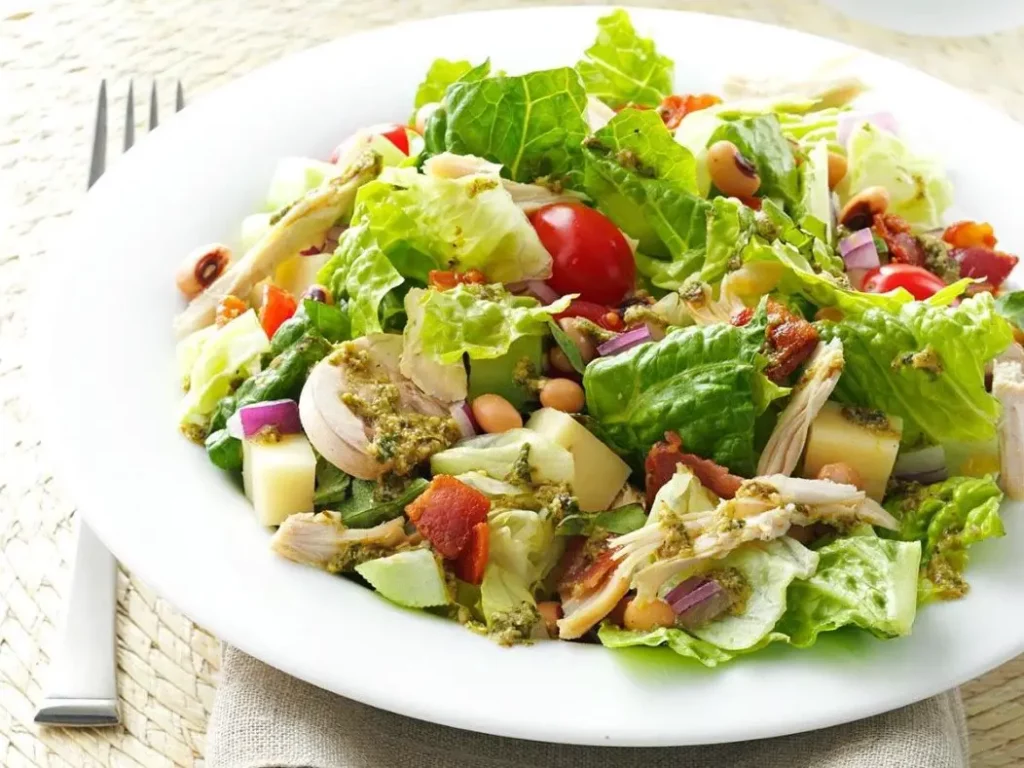
A fresh, flavorful salad made with shredded chicken, crisp vegetables, toasted almonds, and a zesty lemon-thyme dressing. Light yet satisfying, it’s perfect for lunch or dinner.
Why This Recipe Works for Insulin Resistance:
- Salt & pepper → safe in moderation, enhances flavor without added carbs.
- Chicken breast → lean protein that helps stabilize blood sugar and supports fullness.
- Bell peppers → low-glycemic, rich in fiber, vitamin C, and antioxidants.
- Red onion & celery → add fiber and anti-inflammatory compounds.
- Slivered almonds → provide healthy fats, protein, and fiber to slow glucose absorption.
- Capers → low-calorie flavor boost with antioxidant properties.
- Lemon juice → adds tang without sugar and may support blood sugar regulation.
- Fresh thyme → anti-inflammatory herbs with added micronutrients.
- Olive oil → heart-healthy monounsaturated fat that improves insulin sensitivity.
Try this: Easy Mediterranean Recipes to Improve Insulin Sensitivity
Snack: Hummus with Veggies
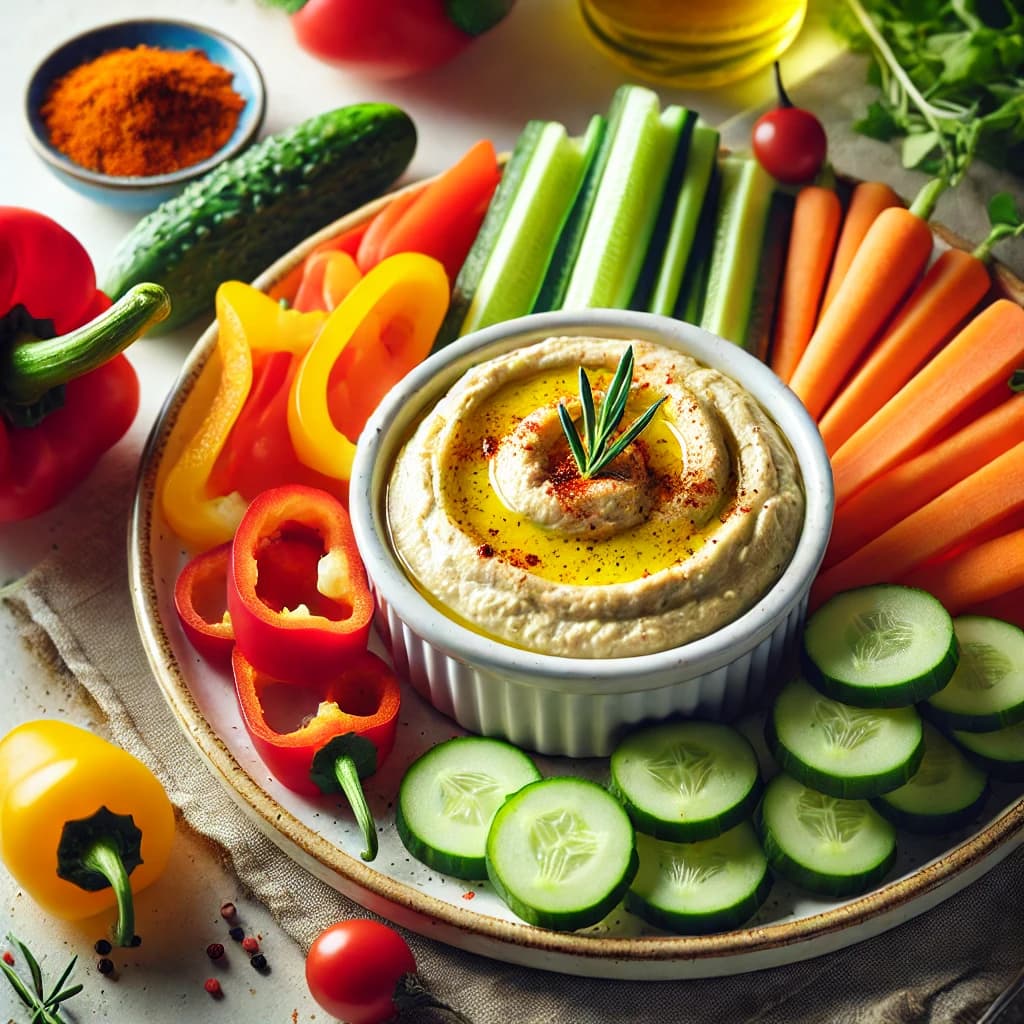
A classic Mediterranean snack that’s simple, nourishing, and full of flavor. Creamy hummus made from chickpeas, tahini, and olive oil provides a balanced mix of protein, fiber, and healthy fats. Paired with crisp, colorful vegetables like carrots, cucumber, and bell peppers, it’s a refreshing way to keep blood sugar steady between meals.
Why This Snack Works for Insulin Resistance:
- Fresh veggies → low-glycemic, nutrient-dense, and naturally hydrating.
- Chickpeas → rich in fiber and plant-based protein to slow glucose absorption.
- Tahini & olive oil → sources of healthy fats that support insulin sensitivity.
Check: Snacks That Help Reverse Insulin Resistance (Mediterranean Approved)
Dinner: Grilled Salmon With Quinoa And Broccoli
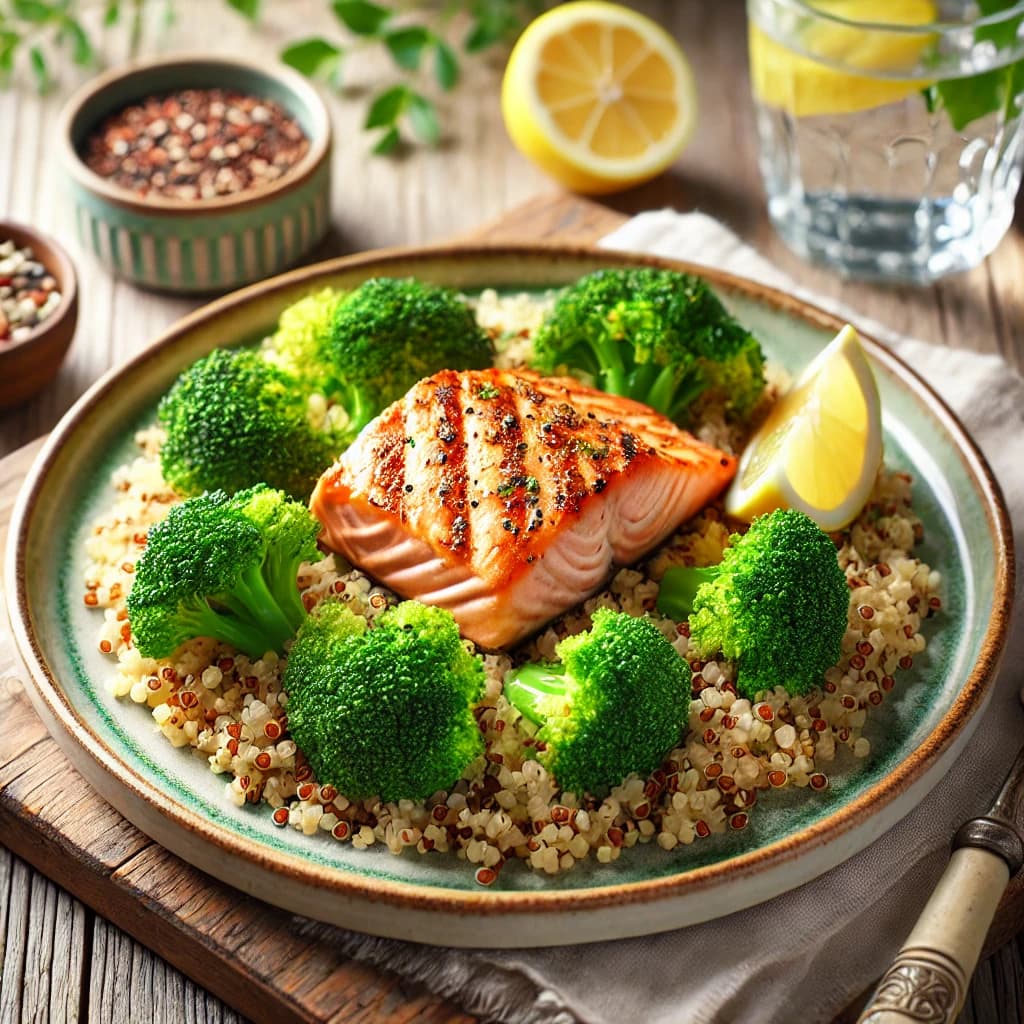
A wholesome, satisfying dinner that captures the heart of the Mediterranean diet. This dish combines grilled salmon, fluffy quinoa, and steamed broccoli for a nutrient-dense meal that’s simple enough for weeknights yet rich in flavor and health benefits.
Why This Recipe Works for Insulin Resistance:
- Olive oil (1 tbsp) → packed with monounsaturated fats that reduce inflammation and improve insulin sensitivity.
- Salmon → an excellent source of protein and omega-3 fatty acids, which support heart and metabolic health.
- Quinoa (½–1 cup cooked) → a fiber-rich, low-glycemic whole grain that provides steady energy and plant-based protein.
- Broccoli (2 cups florets) → a non-starchy cruciferous vegetable high in fiber, antioxidants, and sulforaphane, which may improve insulin function.
- Lemon & fresh herbs → nutrient-dense flavor boosters with zero impact on blood sugar.
- Optional: low-sodium vegetable broth → adds depth of flavor while keeping the meal light and balanced.
Want a full 7-day plan? Check out our Mediterranean meal plan for insulin resistance.
FAQs About the Mediterranean Diet and Insulin Resistance
Can the Mediterranean diet reverse insulin resistance?
Research shows the Mediterranean diet can significantly improve insulin sensitivity and help lower blood sugar levels, especially when combined with regular physical activity. While it may not “cure” insulin resistance overnight, it can reverse or reduce its effects in many people by lowering inflammation, stabilizing glucose, and supporting healthy weight management. Studies such as the PREDIMED trial found that people following a Mediterranean diet had a lower risk of developing type 2 diabetes compared to those on a standard low-fat diet. Consistency is key — the longer you follow this eating style, the more benefits you may see in insulin control.
Is the Mediterranean diet the best diet for insulin resistance?
The Mediterranean diet is considered one of the best diets for insulin resistance because it balances macronutrients, emphasizes fiber-rich whole foods, and reduces inflammatory foods. Unlike restrictive diets such as keto or paleo, the Mediterranean approach is sustainable and flexible, making it easier to follow long-term. It prioritizes healthy fats (olive oil, nuts, fatty fish), whole grains, and vegetables, which work together to lower blood sugar spikes and improve how cells respond to insulin. Health organizations like the American Diabetes Association also recognize the Mediterranean diet as one of the top approaches for managing prediabetes and preventing type 2 diabetes. Along with diet, certain supplements may also support insulin sensitivity.
Is quinoa good for insulin resistance?
Yes, quinoa is one of the best grains for insulin resistance. Unlike refined grains, quinoa is a complete plant-based protein, meaning it contains all nine essential amino acids. It’s also high in fiber and has a low glycemic index, so it digests slowly and prevents blood sugar spikes. Quinoa provides magnesium and other minerals that support insulin function and overall metabolic health. In the Mediterranean diet, quinoa can replace refined carbs like white rice or pasta, making it an excellent option for anyone managing insulin resistance. Enjoy it in salads, grain bowls, or as a side with lean protein and vegetables.
Can I eat bread on the Mediterranean diet if I have insulin resistance?
Yes — but it’s important to choose the right type of bread. Traditional white bread made with refined flour spikes blood sugar quickly and should be avoided. Instead, opt for 100% whole-grain, sprouted, or sourdough bread, which has more fiber and a lower glycemic impact. Pairing bread with healthy fats or protein — for example, dipping whole-grain bread in olive oil or serving it with hummus — can also slow down glucose absorption. The Mediterranean diet isn’t about eliminating bread but about making smarter choices that fit into a balanced, insulin-friendly meal.
Take Control of Insulin Resistance Naturally
Managing insulin resistance doesn’t have to mean following a restrictive or complicated diet. The Mediterranean lifestyle shows that small, consistent changes — like swapping refined carbs for whole grains, cooking with olive oil instead of butter, and adding more vegetables to your meals — can lead to powerful improvements in blood sugar and overall health.
Think of this as a long-term lifestyle, not a quick fix. The Mediterranean diet is enjoyable, sustainable, and flexible, making it easier to stick with over time.
Want to take the next step?
- Explore our full 7-Day Mediterranean Meal Plan for Insulin Resistance for recipes, grocery lists, and meal prep tips.
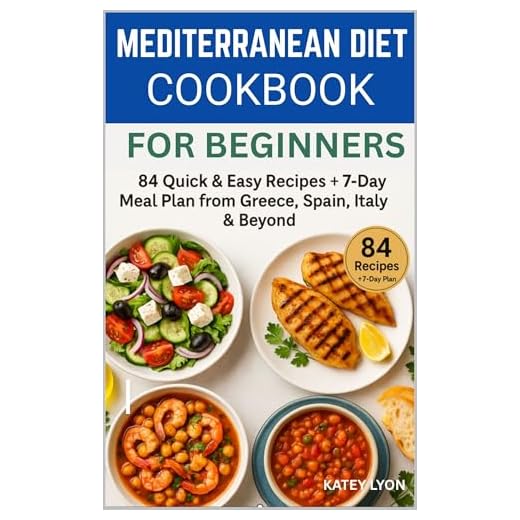
- For a complete beginner’s roadmap, get my book Mediterranean Diet Cookbook for Beginners — with 84 recipes, nutrition facts, and a 7-day meal plan designed to make this lifestyle simple and delicious.
- Find the Best Supplements For Insulin Resistance
- Read more about The Best and Worst Foods for Insulin Resistance
With the right food choices, you can take control of your health, reduce insulin resistance, and feel energized again. The Mediterranean diet offers not just a temporary fix but a long-term lifestyle change that nourishes your body and mind.