
Anti-Inflammatory Diet for Hashimoto’s
Learn how to do the anti-inflammatory diet for Hashimoto’s and discover how an anti-inflammatory diet can help reduce Hashimoto’s symptoms, support thyroid health, and improve energy. Includes food list, sample meal plan, and expert tips.
Introduction: What Is Hashimoto’s and Why Does Diet Matter
Hashimoto’s thyroiditis is an autoimmune disorder in which the immune system mistakenly attacks the thyroid gland, leading to chronic inflammation and often resulting in hypothyroidism. As the thyroid becomes damaged over time, it produces fewer hormones, which can disrupt metabolism, energy levels, mood, and even weight. Symptoms may include fatigue, cold sensitivity, dry skin, hair thinning, and brain fog.
While medication can help regulate thyroid hormone levels, diet plays a crucial role in managing Hashimoto’s by supporting immune health and reducing inflammation. Certain foods can trigger or worsen autoimmune flare-ups, while others can help calm the immune system, nourish the thyroid, and restore gut balance. A well-planned anti-inflammatory diet may help ease symptoms, support hormone balance, and improve overall well-being for those living with Hashimoto’s. Let’s dive into the Anti-Inflammatory Diet for Hashimoto’s.
Hashimoto’s thyroiditis is an autoimmune disorder in which the immune system mistakenly attacks the thyroid gland, a small but vital gland located in the neck that regulates metabolism through hormone production. Over time, this attack causes inflammation and damage, leading to an underactive thyroid (hypothyroidism). When the thyroid doesn’t produce enough hormones, it can affect nearly every system in the body, causing symptoms like fatigue, weight gain, cold sensitivity, depression, dry skin, and brain fog. Left unmanaged, Hashimoto’s can lead to complications such as goiter, infertility, and heart problems. Early diagnosis and proper lifestyle and dietary support play a key role in managing its impact.
How An Anti-Inflammatory Diet for Hashimoto’s Helps
- Reduces systemic inflammation
- Supports gut health (crucial in autoimmune conditions)
- Lowers antibodies in some cases
- Can improve energy, digestion, and mood
Research shows a strong connection between Hashimoto’s thyroiditis and gut inflammation, particularly due to increased intestinal permeability—often called “leaky gut.” In people with Hashimoto’s, the immune system not only attacks the thyroid but may also react to undigested food particles and toxins that pass through a compromised gut barrier. This ongoing immune response can worsen inflammation in both the gut and the thyroid. Imbalances in gut bacteria (dysbiosis) and chronic gut irritation may also trigger or exacerbate autoimmune activity, making gut health a critical factor in managing Hashimoto’s. Supporting the gut through an anti-inflammatory diet, probiotics, and lifestyle changes can help reduce symptoms and slow disease progression.

Best Foods To Eat On An Anti-Inflammatory Diet for Hashimoto’s
Healthy fats: Olive oil, avocado, walnuts
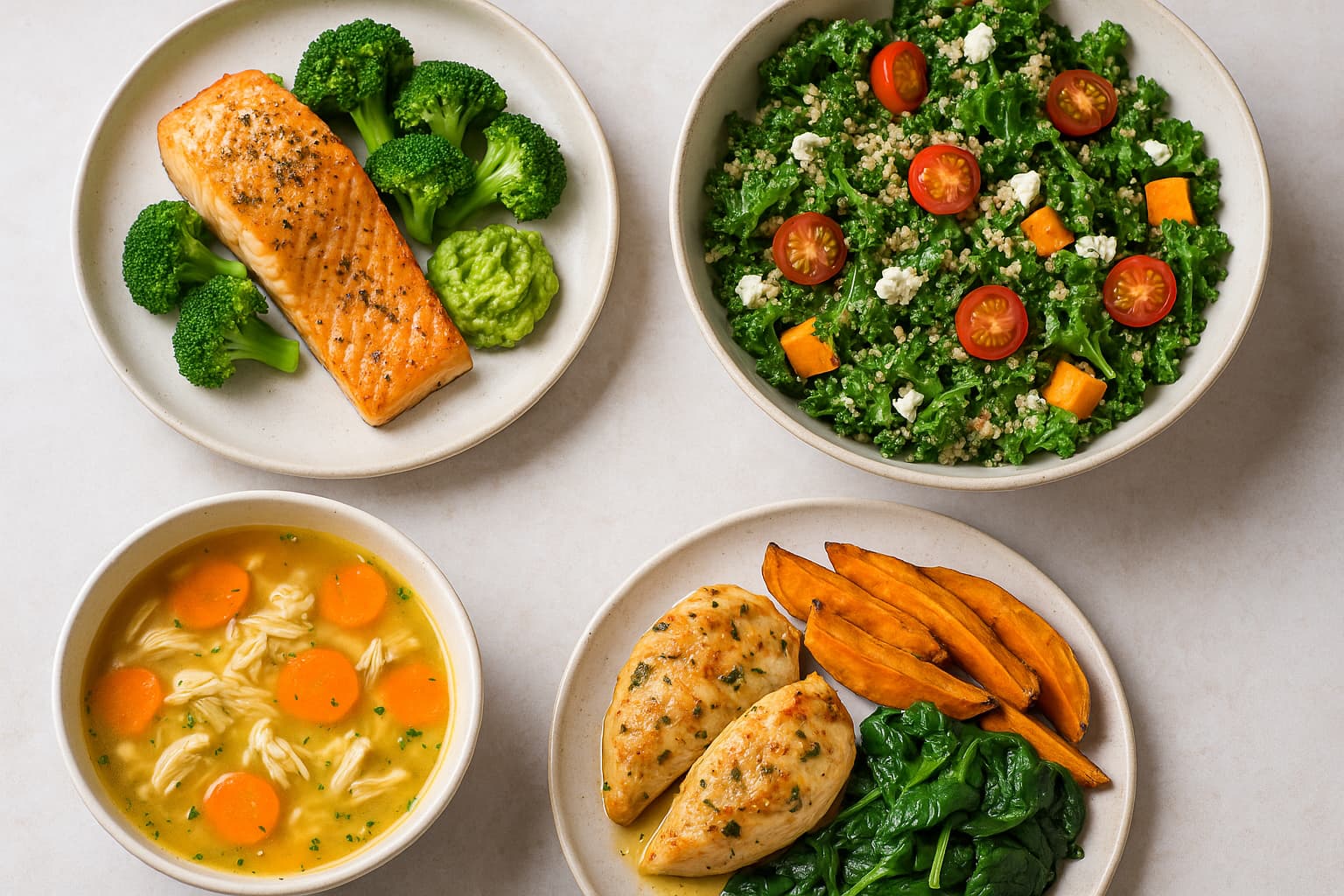
Clean protein: Salmon, pasture-raised chicken
Veggies: Leafy greens, cruciferous (lightly cooked)
Fruits: Berries, apples, citrus
Anti-inflammatory spices: Turmeric, ginger, cinnamon
Related Post: 10 Essential Food To Eat On The Anti-inflammatory Diet
Foods to Avoid On An Anti-Inflammatory Diet for Hashimoto’s
- Refined sugar and processed carbs
- Industrial seed oils (soy, corn, canola)
- Gluten (controversial, but often recommended to eliminate)
- Dairy (for some sensitive individuals)
- Nightshades (optional, depending on response)
Related Article: Gluten and Dairy-Free Benefits for Hashimoto’s: Can Removing These Foods Help Your Thyroid?
Sample 3-Day Anti-Inflammatory Diet for Hashimoto’s
When living with Hashimoto’s thyroiditis, managing inflammation is key to reducing symptoms like fatigue, brain fog, and joint pain. While medication supports hormone balance, your daily food choices can significantly impact how you feel. An anti-inflammatory diet for Hashimoto’s helps calm the immune system, support gut health, and protect thyroid function.
This 3-day anti-inflammatory diet for Hashimoto’s meal plan is designed specifically for individuals with Hashimoto’s. It focuses on whole, nutrient-dense foods that help reduce inflammation, avoid common dietary triggers, and support energy and metabolic function. Each day includes thyroid-friendly meals that are gluten-free, balanced in protein and fiber, and rich in antioxidants and healthy fats.
Whether you’re just starting or looking to reset your routine, this plan offers a practical way to nourish your body and support healing, one bite at a time.
Day 1
Breakfast: Berry Chia Pudding and Ground Flaxseed. Chia seeds soaked in unsweetened almond milk. Topped with blueberries, raspberries, and ground flax. Optional: sprinkle of cinnamon for blood sugar balance
Why it helps: Rich in fiber, omega-3s, and antioxidants that support gut and immune health.
Lunch: Quinoa Bowl with Roasted Veggies & Turmeric Chicken
Why it helps: High in protein and anti-inflammatory compounds (like curcumin from turmeric).
Dinner: Salmon with Sweet Potato Mash and Steamed Kale
Why it helps: Rich in selenium, omega-3s, and thyroid-supportive minerals.
Day 2
Breakfast: Scrambled Eggs with Spinach and Avocado. 2 organic eggs scrambled in olive oil. Wilted spinach on the side. ½ avocado sliced
Why it helps: Provides good fats, vitamin D, and antioxidants for immune balance.
Lunch: Lentil & Vegetable Soup. Lentils simmered with carrots, celery, onion, turmeric, and thyme. Served with a side of arugula salad with olive oil and lemon
Why it helps: Lentils are fiber-rich and support gut health; turmeric calms inflammation.
Dinner: Grilled Chicken with Roasted Carrots and Quinoa. Chicken breast grilled with rosemary and thyme. Roasted carrots in coconut oil. Quinoa with parsley and lemon zest
Why it helps: Supports metabolism and is easy to digest.
Day 3
Breakfast: Gluten-Free Oats with Chia, Cinnamon, and Apple Slices. Cooked oats (certified gluten-free). Topped with apple slices, chia seeds, and cinnamon, a Splash of almond or coconut milk
Why it helps: Balances blood sugar and supports a calm digestive system.
Lunch: Stuffed Sweet Potato with Turkey & Greens. Baked sweet potato. Ground turkey sautéed with onions, garlic, and spinach. Topped with avocado or tahini
Why it helps: A warming, satiating meal rich in iron and vitamins A and C.
Dinner: Zucchini Noodles with Pesto and Grilled Shrimp. Spiralized zucchini sautéed lightly. Topped with homemade dairy-free pesto (basil, olive oil, walnuts). Grilled shrimp seasoned with garlic and lemon
Why it helps: Light, low-carb, and rich in iodine and selenium.
Download the Anti-Inflammatory Meal Plan for Hashimoto’s PDF
Supplements & Additions to Consider
(Always with a disclaimer to consult a healthcare provider). The most common supplements are:
- Selenium
- Zinc
- Magnesium
- Omega-3
- Probiotics
Related post: 7 Supplements That Support Thyroid and Inflammation
Lifestyle Tips to Boost Results
- Gentle exercise (walking, yoga)
- Stress management (meditation, EFT, breathwork)
- Sleep hygiene (7–8 hours of consistent sleep)
- Reducing environmental toxins (plastics, cleaning chemicals)
2 Simple Diet Tweaks That Could Help Lower Inflammation
Want More Support?
Get t: “The Easy Anti-Inflammatory Diet: 44 Simple Recipes for Beginners”
Example Recipe inside the book:
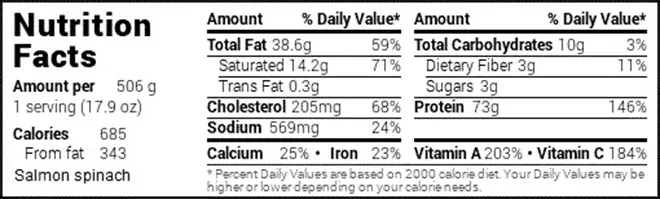
Salmon with Creamy Spinach
Yields: 2 servings
Ingredients
- 2 salmon fillets
- 1 tbsp olive oil
- ½ tbsp butter
- 2 cloves of garlic minced
- ½ cup red pepper, chopped
- 6 ounces of baby spinach
- ¼ heavy cream
- Salt and pepper to taste
- 1/4 cup grated Parmesan cheese
- 1 tbsp fresh basil, chopped
- ½ tbsp fresh parsley, chopped
Directions
- Heat olive oil in a large skillet over medium-high heat.
- Season salmon fillets with salt and pepper and transfer to the skillet, skin-side up.
- Cook for about 7 to 8 minutes, or until done
- Remove from the skillet and set aside.
- Add butter to the skillet and melt over medium heat.
- Stir in garlic and cook for 1 minute.
- Add red Pepper and cook for about 2 minutes.
- Continue to cook for 1 to 2 minutes, or until tomatoes begin to soften.
- Stir in spinach and cook for 1 minute, or until spinach is beginning to wilt. Stir in the heavy cream, parmesan cheese, basil, and parsley; bring to a simmer.
Serve the salmon on top of the creamy spinach
Managing Hashimoto’s is about more than just medication — it’s a holistic journey. This anti-inflammatory approach empowers you to take charge of your symptoms with every meal.





I am not rattling good with English but I line up this really easy to interpret.