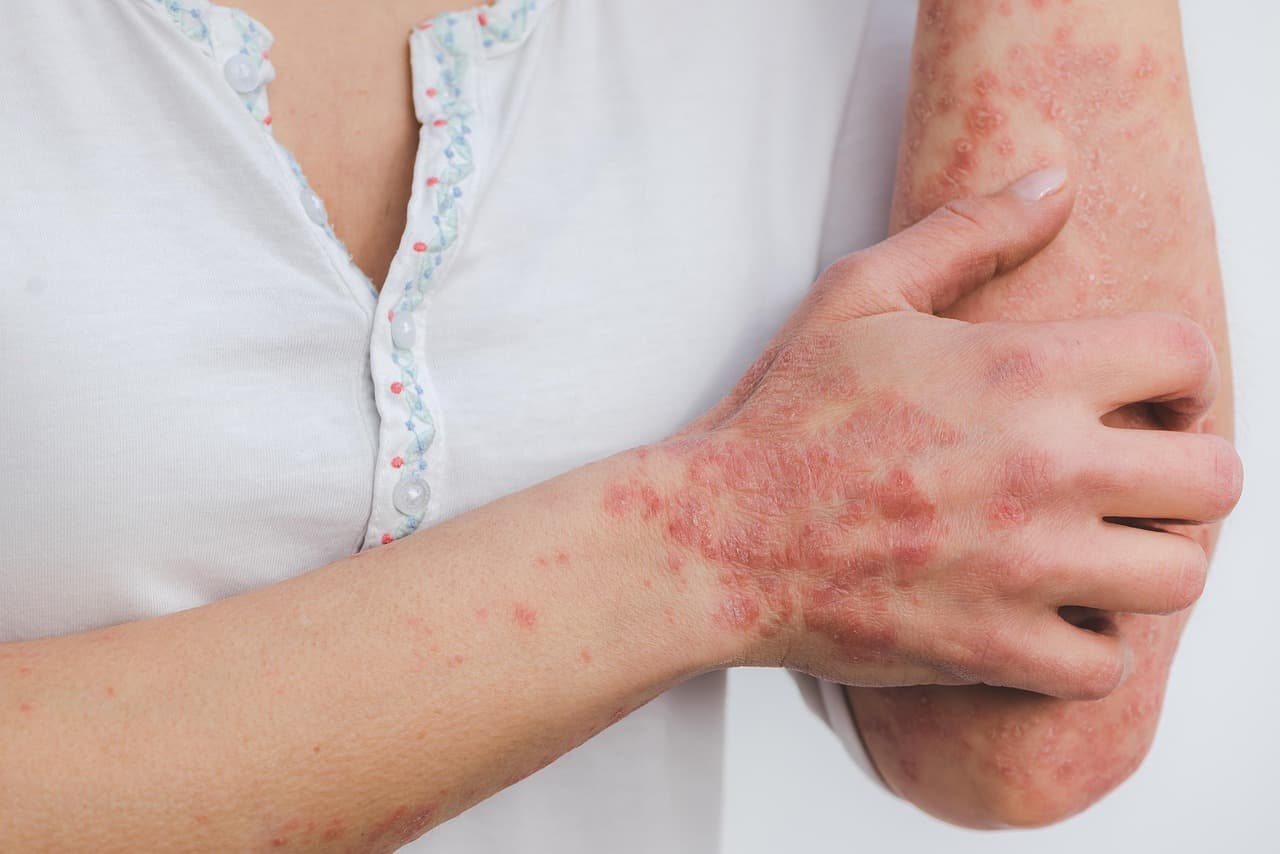
The Science Behind Inflammation and Chronic Diseases
Inflammation is a fundamental biological response to injury or infection, serving as a protective mechanism to initiate healing. However, when inflammation becomes chronic, it can contribute to the development and progression of various diseases. Understanding the science behind inflammation is crucial for comprehending its role in chronic diseases and exploring potential interventions.
Understanding Inflammation
Inflammation is the body’s immune response to harmful stimuli, such as pathogens, damaged cells, or irritants. It involves the activation of immune cells, the release of cytokines, and increased blood flow to the affected area. While acute inflammation is beneficial and resolves after eliminating the threat, chronic inflammation persists over time, potentially causing tissue damage and contributing to disease.
Inflammation and Chronic Diseases
Chronic inflammation is implicated in the pathogenesis of numerous diseases:
- Cardiovascular Disease: Inflammation plays a central role in atherosclerosis, where inflammatory processes contribute to plaque formation and instability, leading to heart attacks and strokes.
- Type 2 Diabetes: Pro-inflammatory cytokines can interfere with insulin signaling, promoting insulin resistance and hyperglycemia.
- Cancer: Chronic inflammation can lead to DNA damage, promote tumor growth, and facilitate metastasis.
- Neurodegenerative Diseases: Conditions like Alzheimer’s disease are associated with chronic neuroinflammation, contributing to neuronal damage and cognitive decline.
- PMC
Mechanisms Linking Inflammation to Disease
Several mechanisms explain how chronic inflammation contributes to disease:
- Cytokine Production: Persistent production of pro-inflammatory cytokines (e.g., TNF-α, IL-6) can disrupt normal cellular functions.
- Oxidative Stress: Inflammation-induced reactive oxygen species can damage DNA, proteins, and lipids.
- Immune Cell Infiltration: Continuous recruitment of immune cells can lead to tissue remodeling and fibrosis.
- Metabolic Dysregulation: Inflammation can alter lipid and glucose metabolism, contributing to metabolic syndrome.
Biomarkers of Inflammation
Identifying and measuring biomarkers can help assess inflammation levels:
- C-Reactive Protein (CRP): An acute-phase protein that increases during systemic inflammation.
- Erythrocyte Sedimentation Rate (ESR): Measures the rate at which red blood cells settle, indicating inflammation.
- Interleukin-6 (IL-6): A cytokine involved in inflammation and infection responses.
Understanding the science behind inflammation helps explain why an anti-inflammatory living guide focuses on both food and lifestyle factors.
Strategies to Mitigate Chronic Inflammation
Addressing chronic inflammation involves lifestyle and medical interventions:
- Dietary Modifications: Consuming anti-inflammatory foods rich in omega-3 fatty acids, antioxidants, and fiber.
- Regular Exercise: Physical activity can reduce inflammatory markers and improve immune function.
- Stress Management: Techniques like mindfulness and meditation can lower stress-induced inflammation.
- Medical Therapies: Anti-inflammatory medications, supplements, and biologics targeting specific cytokines are used in treating inflammatory diseases.
Understanding the intricate relationship between inflammation and chronic diseases is vital for developing effective prevention and treatment strategies. Ongoing research continues to uncover the complexities of inflammatory processes, offering hope for improved health outcomes.
Scientific References and Resources
- Harvard Health Publishing – Inflammation: A Unifying Theory of Disease. Overview of how chronic inflammation plays a role in heart disease, cancer, Alzheimer’s, and more.
- National Center for Biotechnology Information (NCBI) – Chronic Inflammation. A deep dive into the biological mechanisms of chronic inflammation and its link to diseases.
- NCBI – The Link Between Inflammation and Cancer. Detailed discussion on how persistent inflammation can lead to cancer progression.
- NIH – Biomarkers of Inflammation. Insight into CRP, IL-6, and other inflammation markers used in diagnosis and research.
- Frontiers in Immunology – Role of Diet in Modulating Inflammation. Research on anti-inflammatory dietary patterns and their effects on health outcomes.