
Supplements for Insulin Resistance: Evidence-Based Options to Support Blood Sugar Balance
Written by Katey Lyon
Food & Wellness Writer focused on Mediterranean and anti-inflammatory nutrition.
Content is based on publicly available research and educational sources.
Insulin resistance is a metabolic condition that affects how the body responds to insulin and manages blood sugar levels. It is commonly associated with lifestyle factors such as diet, physical activity, sleep, and stress.
While nutrition and lifestyle changes remain the foundation for improving insulin sensitivity, some supplements have been studied for their potential role in supporting healthy blood sugar regulation and reducing inflammation when used alongside a balanced diet.
In this article, we explore evidence-based supplements commonly discussed in relation to insulin resistance, how they may work, and important considerations before using them. This content is for informational purposes only and should not replace personalized medical advice. Always consult a healthcare professional before starting any supplement..
Read more about Insulin Resistance 101: Warning Signs, Root Causes, and How to Heal It
Medical Disclaimer:
This article is for informational and educational purposes only and does not constitute medical advice. Supplements may interact with medications or health conditions. Always consult a qualified healthcare professional before making changes to your diet or supplement routine.
Before adding supplements, review our foundational insulin resistance diet guide.
Table of Contents
Why Supplements Matter for Insulin Resistance (Evidence-Based Overview)
Supplements matter for insulin resistance because certain nutrients are involved in glucose metabolism, insulin signaling, and inflammation control. While supplements cannot replace diet and lifestyle changes, research suggests they may support blood sugar balance when nutrient deficiencies or increased metabolic demands are present.
When it comes to insulin resistance, diet, exercise, sleep, and stress management are always the foundation. However, some supplements have been studied for their potential role in supporting nutrient intake, reducing inflammation, and assisting normal insulin function when used alongside healthy lifestyle habits.
Many people with insulin resistance may be low in key nutrients such as magnesium, vitamin D, and omega-3 fatty acids, which are involved in glucose metabolism and metabolic health. Addressing these nutrients through food and, when appropriate, supplements may help support overall blood sugar balance.
It’s important to note that supplements are not a “magic pill” or a replacement for lifestyle changes. Instead, they should be viewed as part of a broader, food-first approach that includes whole-food nutrition, physical activity, and guidance from a healthcare professional. A food-first approach remains essential, especially one built around anti-inflammatory whole foods that support metabolic health. You can see which staples to prioritize in this anti-inflammatory pantry guide.
Top 8 Supplements For Insulin Resistance
1 – Vitamin D and Its Role in Metabolic Health
Vitamin D has been widely studied for its role in metabolic and immune health. The video below discusses how vitamin D deficiency is commonly observed in people with insulin resistance. If you prefer a visual explanation, this short video explains the link between vitamin D deficiency and insulin resistance.
What it is
Vitamin D is a fat-soluble vitamin that plays a crucial role in many essential body functions. It’s often called the “sunshine vitamin” because your skin produces it in response to sunlight exposure.
How does it help with insulin resistance?
When you consider the role of vitamin D in managing insulin resistance, it’s essential to recognize its multifaceted mechanisms. Vitamin D regulates insulin signaling through genomic and non-genomic effects, reducing oxidative stress and inflammation. Enhancing calcium modulation, it supports β-cell function and insulin secretion effectively.
Observational studies demonstrate a clear inverse correlation between vitamin D levels and insulin resistance markers, especially in type 1 and type 2 diabetes. While interventional trials show mixed results on HbA1c and metabolic parameters, the evidence supporting vitamin D’s role in improving insulin sensitivity remains compelling. This anti-inflammatory action can serve as an adjuvant therapy for diabetes management, making it a practical consideration for improving metabolic health.
Recommended Dosage
Many clinical studies have used doses between:
- 2,000 to 5,000 IU/day of vitamin D3
- Some short-term trials used 50,000 IU weekly under supervision
Most commonly recommended for insulin resistance:
2,000–4,000 IU/day of vitamin D3
Especially if blood levels are low (<30 ng/mL)
- Always check 25(OH)D levels via blood test before supplementing heavily
- Vitamin D3 (cholecalciferol) is preferred over D2
- Take with a fat-containing meal for better absorption
- Combine with magnesium — it helps activate vitamin D in the body
Possible Side Effects
At High Doses or With Long-Term Overuse:
Vitamin D Toxicity (Hypervitaminosis D)
Usually occurs with 50,000+ IU/day taken for weeks or months.
Symptoms include:
- Nausea and vomiting
- Loss of appetite
- Weight loss
- Weakness and fatigue
- Confusion or mental fog
- Excessive thirst and urination
High Blood Calcium (Hypercalcemia)
Vitamin D increases calcium absorption — too much can lead to dangerous calcium levels.
Symptoms:
- Kidney stones
- Muscle weakness
- Heart rhythm problems
- Bone pain
Vitamin D can interact with:
- Thiazide diuretics (can raise calcium levels too much)
- Steroids (reduce vitamin D absorption)
- Orlistat (reduces fat-soluble vitamin absorption)
When to Talk to a Doctor:
- If you’re taking over 4,000 IU/day long-term
- If you have kidney disease, sarcoidosis, or hyperparathyroidism
- If you’re on medications that affect calcium levels
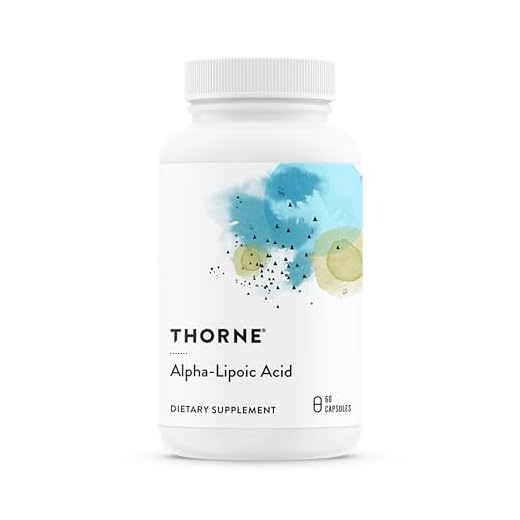
Recommended Supplements Mentioned in This Guide
(Examples of commonly used supplements discussed below. Always consult your healthcare provider before use.)



2 – Omega-3 Fatty Acids for Glycemic Control
What it is
Omega-3 fatty acids are a type of healthy polyunsaturated fat that your body needs for many vital functions, but can’t produce on its own. That’s why they’re considered essential fats, meaning you must get them from your diet or supplements.
How does it help with insulin resistance?
Omega-3 fatty acids have shown mixed results regarding glycemic control. While most meta-analyses found no significant improvement in HbA1c levels, some studies suggest minor benefits, especially with higher EPA/DHA ratios. It’s vital to note that fasting plasma glucose may increase in certain populations, indicating that individual responses vary. Notably, pediatric patients supplementing Omega-3s with insulin therapy reported improved control, necessitating lower insulin doses. Omega-3s effectively reduced triglycerides in diabetic individuals, though they had no impact on cholesterol levels. Ultimately, further research is needed to clarify ideal dosages and ratios, ensuring targeted interventions tailored to specific populations. Recent studies, particularly involving Goto-Kakizaki rats, have demonstrated that omega-3 fatty acids can improve insulin sensitivity and reduce inflammation in diabetic models.
Recommended Dosage
A 2020 meta-analysis published in Diabetes & Metabolic Syndrome found that omega-3 supplements significantly improved insulin sensitivity in overweight and insulin-resistant adults when taken at doses ≥2,000 mg/day.
Possible Side Effects
Bleeding Risk: Omega-3s can thin the blood slightly. High doses may increase bleeding risk, especially if taken with: Aspirin, Blood thinners (e.g., warfarin, clopidogrel). Tip: Stay under 3,000 mg EPA+DHA/day unless monitored by a doctor
Allergic Reaction: Rare, but possible in people with fish or shellfish allergy
Vitamin Overload (Cod Liver Oil): Cod liver oil contains vitamin A, which can be toxic in high doses
3 – The Role of Probiotics in Blood Sugar Management
Your gut is home to trillions of bacteria that influence everything from digestion to blood sugar control. Research shows that an imbalance in gut bacteria, known as dysbiosis, can trigger inflammation, disrupt glucose metabolism, and worsen insulin resistance. Probiotics help restore balance by increasing beneficial bacteria such as Lactobacillus and Bifidobacterium. These bacteria produce short-chain fatty acids (SCFAs) that strengthen the gut lining, reduce endotoxins, and improve insulin signaling. Several clinical trials have demonstrated that people who take probiotics can experience lower fasting glucose, improved insulin sensitivity, and reduced inflammation compared to those who don’t.
Best Strains and Dosages
Not all probiotics are the same. The most effective strains for improving blood sugar control include:
- Lactobacillus acidophilus – supports carbohydrate metabolism and improves insulin sensitivity.
- Lactobacillus casei – reduces inflammation and improves fasting glucose.
- Bifidobacterium lactis – enhances insulin secretion and reduces markers of insulin resistance.
- Multistrain probiotics blends – combinations of 2–5 strains often produce the best results.
Recommended dosage: Most clinical studies use between 1 to 10 billion CFU per day, though higher doses (10–20 billion CFU) have also been shown to be safe and effective over 4–12 weeks. Look for a refrigerated, third-party tested brand to ensure potency.
Safety and Side Effects
For most healthy adults, probiotics are safe and well-tolerated. Mild digestive symptoms like gas, bloating, or changes in bowel movements may occur during the first few days as your gut adjusts. These effects are usually temporary. However, people with weakened immune systems or those undergoing chemotherapy should consult a doctor before starting probiotics.
To maximize benefits, pair probiotics with prebiotic fibers (like inulin or resistant starch), which act as food for good bacteria and boost their effectiveness.
4 – Mineral Support: Magnesium and Zinc
How Magnesium Helps
Magnesium plays a direct role in insulin signaling. Low magnesium levels are linked to higher blood sugar, increased inflammation, and poor metabolic health. Supplementing magnesium has been shown to improve insulin receptor activity, lower fasting glucose, and even reduce HbA1c in people with type 2 diabetes. It also relaxes muscles, supports sleep, and reduces stress — all of which indirectly improve insulin sensitivity.
How Zinc Helps
Zinc supports pancreatic beta cells, which produce insulin. It also helps regulate glucose transport into cells. Deficiency in zinc can lead to higher blood sugar, reduced insulin action, and slower healing. Some studies suggest zinc supplementation improves both insulin secretion and sensitivity, especially in people with metabolic syndrome.
Recommended Dosages
| Supplement | Recommended Dose | Best Form | Notes |
|---|---|---|---|
| Magnesium | 250–400 mg/day | Glycinate, Citrate, Malate | Improves insulin sensitivity, relaxes muscles |
| Zinc | 15–30 mg/day | Picolinate, Citrate | Supports insulin production, avoid long-term high doses |
Side Effects and Considerations
- Too much magnesium may cause diarrhea, especially in the oxide form.
- Excess zinc (>40 mg/day long-term) can cause nausea, copper deficiency, or immune changes.
- Always test blood levels if supplementing long-term.
5 – Berberine and Other Plant Compounds
How Berberine Works
Berberine is a natural alkaloid found in plants like goldenseal and barberry. It’s one of the most studied natural supplements for insulin resistance, often compared to metformin in its effects. It works by activating AMPK (adenosine monophosphate-activated protein kinase), sometimes called the “metabolic master switch,” which improves insulin sensitivity, reduces glucose production in the liver, and enhances glucose uptake by cells.
Other Helpful Compounds (Curcumin, Resveratrol, Quercetin)
- Other Helpful Compounds (Curcumin, Resveratrol, Quercetin)
- In addition to berberine, several plant-based compounds may support insulin sensitivity by reducing inflammation and oxidative stress:
- Curcumin (from turmeric): Helps reduce inflammation and may improve fasting glucose levels. Best absorbed when taken with black pepper extract.
- Resveratrol (found in grapes): Supports insulin signaling, cardiovascular health, and metabolic flexibility.
- Quercetin (found in onions and apples): A potent antioxidant that may help reduce blood sugar spikes and inflammation.
These compounds work best as complementary support alongside diet and lifestyle changes.
Recommended Dosages
- Berberine: 500 mg, 2–3 times daily (with meals).
- Curcumin: 500–1,000 mg/day with black pepper extract for absorption.
- Resveratrol: 100–250 mg/day.
- Quercetin: 500–1,000 mg/day.
Always start at the lower end of the dosage range and increase gradually if tolerated.
Possible Side Effects
- Berberine may cause mild digestive upset.
- Can interact with diabetes medications (risk of low blood sugar).
- Pregnant or breastfeeding women should avoid berberine.
6 – Dietary Fiber and Its Impact on Insulin Sensitivity
Dietary Fiber and Its Impact on Insulin Sensitivity
Dietary fiber plays a critical role in improving insulin sensitivity and reducing the risk of insulin resistance. Research shows that consuming more than 25 grams of fiber per day may lower insulin resistance risk by 20–30%.
Fiber works by:
- Slowing glucose absorption after meals
- Improving satiety and fat oxidation
- Reducing inflammation and insulin spikes
Studies also show that higher fiber intake is associated with lower HOMA-IR levels, even after accounting for body weight. Whole grains, in particular, have been shown to reduce systemic inflammation and support metabolic health.
Aim for 25–30 grams of fiber per day from whole foods such as vegetables, legumes, whole grains, and seeds.
Read more about: Understanding the Role of Gut Health in Insulin Resistance
7 – The Role of Gut Health in Glucose Metabolism
Gut Bacteria and Insulin Resistance
The gut microbiome plays a central role in blood sugar control. Certain bacteria produce metabolites that either support or disrupt insulin signaling. An imbalance (dysbiosis) is linked with inflammation, weight gain, and poor glucose metabolism.
Supporting a Healthy Microbiome
- Eat prebiotic fibers (onions, garlic, asparagus, resistant starch).
- Include fermented foods (yogurt, kefir, sauerkraut, kimchi).
- Limit processed foods and artificial sweeteners that disrupt gut balance.
- Consider probiotic supplements with Lactobacillus and Bifidobacterium strains for targeted support.
8 – Antioxidants for Insulin Function
Key Antioxidants (Vitamin C, Vitamin E, Beta-Carotene)
Antioxidants protect cells from oxidative stress, a key driver of insulin resistance.
- Vitamin C: lowers fasting glucose and supports collagen production.
- Vitamin E: protects cell membranes and improves insulin sensitivity.
- Beta-carotene: a precursor of vitamin A that helps reduce inflammation.
How They Help Reduce Oxidative Stress
High blood sugar increases free radicals, which damage cells and impair insulin action. Antioxidants neutralize these free radicals, protecting pancreatic beta cells and improving insulin function.
Recommended Intake and Food Sources
- Vitamin C: 500–1,000 mg/day; citrus fruits, bell peppers, broccoli.
- Vitamin E: 100–400 IU/day; almonds, sunflower seeds, spinach.
- Beta-carotene: best through foods (carrots, sweet potatoes, leafy greens).
Frequently Asked Questions about Supplements for Insulin Resistance
What is the best natural supplement for insulin resistance?
There isn’t one single “best” supplement, since different people respond differently, but some of the most researched options include berberine, magnesium, omega-3 fatty acids, and alpha-lipoic acid. Berberine in particular has been shown in studies to lower blood sugar levels and improve insulin sensitivity, working in ways similar to metformin. Magnesium also plays a crucial role in insulin signaling and is often deficient in people with insulin resistance. For best results, supplements should always be combined with a balanced, whole-food diet.
Can supplements reverse insulin resistance?
Supplements alone are not a cure for insulin resistance, but they can be powerful tools when combined with lifestyle changes. Research shows that supplements like vitamin D, magnesium, and probiotics can improve insulin sensitivity and lower inflammation. However, the most effective approach is a combination of:
Eating a high-fiber, low-glycemic diet
Regular physical activity
Stress management and good sleep
Supplements are meant to support these changes, not replace them.
Should I take magnesium or berberine for insulin resistance?
Both magnesium and berberine can be helpful, but they work differently:
Magnesium supports insulin signaling and is especially important if you’re deficient (many adults are). It’s gentle and safe for most people when taken in recommended doses.
Berberine has a stronger effect on lowering blood sugar and improving insulin sensitivity, but it can interact with medications and may cause digestive upset in some people.
Many people benefit from both — magnesium for daily metabolic support, and berberine as a targeted supplement — but you should always consult your healthcare provider to see what’s right for you.
Want even more inspiration? My book Anti-Inflammatory Diet for Beginners: 75 Easy & Delicious Recipes with a 7-Day Meal Plan

Includes a complete insulin resistance recipe collection, designed to balance blood sugar, reduce inflammation, and support gut health.
More About Insulin Resistance
Easy 7-Day Meal Plan for Insulin Resistance
Intermittent Fasting and Insulin Resistance
The Best and Worst Foods for Insulin Resistance
Stress, Sleep, and Insulin Resistance: The Connection
Insulin Resistance 101: Warning Signs, Root Causes, and How to Heal It