Mediterranean Diet vs Keto: A Comparative Analysis
Recently, the Mediterranean Diet vs Keto diet has gained widespread popularity due to their distinct approaches to weight management and overall health improvement. While both diets emphasize whole foods, they differ significantly in their nutrient focus, long-term health benefits, and sustainability.
Mediterranean Diet vs Keto: Key Differences in Nutritional Composition
The Mediterranean diet is primarily plant-based and encourages the consumption of fruits, vegetables, whole grains, legumes, and healthy fats, particularly olive oil and fish. It allows moderate dairy, poultry, and egg intake while limiting red meat and sweets. The emphasis is on balanced meals rich in fiber, healthy fats, and antioxidants. Many people choose this approach for its balance and flexibility, especially when preparing everyday meals such as Mediterranean recipes.
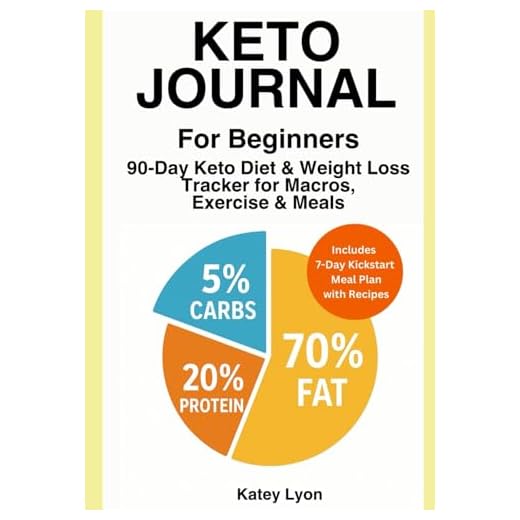
In contrast, the keto diet is a high-fat, low-carbohydrate plan that shifts the body into ketosis. Ketosis occurs when the body burns fat for fuel instead of carbohydrates, leading to weight loss. This diet prioritizes high-fat foods like avocados, nuts, and oils while significantly reducing carbohydrate intake, often below 50 grams daily. Protein intake is moderate, and carbohydrate-rich foods like bread, pasta, and most fruits are restricted.
Emotional Eating and Diet Sustainability
One important difference between the Mediterranean diet and keto is how they affect your relationship with food.
Highly restrictive diets like keto can unintentionally increase all-or-nothing thinking — feeling “on track” or “off track.” For some people, this can lead to cycles of restriction, guilt, and overeating.
The Mediterranean diet’s flexibility allows for balance, which may reduce guilt and make it easier to return to healthy eating after imperfect days.
Health Benefits and Risks
Numerous studies have shown that the Mediterranean diet benefits heart health, reducing the risk of cardiovascular diseases, type 2 diabetes, and inflammation. Many of its principles overlap with an anti-inflammatory diet, which focuses on whole foods that support long-term health.
While effective for rapid weight loss and blood sugar management, the keto diet can have potential drawbacks. Long-term adherence to such a high-fat diet may increase the risk of heart disease if unhealthy fats are consumed. Additionally, the restrictive nature of keto can lead to nutrient deficiencies and may not be suitable for everyone, particularly individuals with certain metabolic conditions.
Here is a table comparing the health benefits and risks of the Mediterranean Diet vs Keto
| Aspect | Mediterranean Diet | Keto Diet |
| Health Benefits | – Reduces risk of heart disease | – Effective for rapid weight loss |
| – Lowers inflammation | – Improves blood sugar control | |
| – Supports healthy aging | – May improve focus and energy | |
| Health Risks | – None significant if balanced | – Risk of nutrient deficiencies |
| – Overconsumption of alcohol may impact health | – Increased risk of heart disease from unhealthy fats | |
| Sustainability | – Long-term, sustainable | – Difficult to maintain long-term due to restrictions |
This comparison highlights the core differences in the benefits and risks between the two diets.


Sustainability and Ease of Adherence: Mediterranean Diet vs Keto
The Mediterranean diet is generally more accessible for most people due to its flexibility and emphasis on various whole foods. It encourages a lifelong approach to healthy eating, making it more sustainable in the long term.
On the other hand, the keto diet can be challenging to maintain due to its strict carbohydrates limitations. While some individuals may achieve impressive short-term results, the diet’s restrictive nature often leads to difficulty adhering to it over extended periods.
Which Diet Is Easier to Sustain Long Term?
While both diets can lead to weight loss, the biggest difference between the Mediterranean diet and keto is sustainability.
The Mediterranean diet tends to work better for people who:
- struggle with consistency
- feel restricted by strict food rules
- experience guilt or emotional eating
- want flexibility in social situations
Keto may work short-term for people who:
- prefer strict structure
- are comfortable eliminating food groups
- are focused on rapid weight loss rather than long-term habits
For most people, especially those who have tried multiple diets before, the Mediterranean diet is easier to maintain without burnout or repeated “starting over.”
Diet Sustainability and Emotional Eating
For many people, the challenge isn’t choosing the right diet — it’s staying consistent over time.
If staying consistent with any diet feels difficult, emotional eating patterns, guilt, or all-or-nothing thinking may be part of the challenge. Addressing the emotional side of eating can make long-term habits easier to maintain. If this feels familiar, you may find it helpful to download a free sample of The Emotional Reset Workbook, which focuses on the emotional side of eating and habit change.
👉 Free sample of The Emotional Reset Workbook.
Final Verdict: Mediterranean Diet vs Keto
Both the Mediterranean diet and the keto diet can lead to weight loss, but they serve different goals.
Keto may offer faster short-term results, but its restrictive nature makes it difficult for many people to sustain long-term.
The Mediterranean diet stands out as a more balanced, flexible, and sustainable approach — especially for those looking to improve overall health, maintain consistency, and avoid repeated cycles of dieting.
For long-term wellness, the Mediterranean diet is generally the better choice.
References:
Estruch, R., et al. (2013). “Primary Prevention of Cardiovascular Disease with a Mediterranean Diet.” New England Journal of Medicine.
Kossoff, E. H., et al. (2009). “Ketogenic diets: An update for child neurologists.” Journal of Child Neurology.
Te Puede Interesar

4 Benefits of Apples – Include Recipe