Keto Diet for Beginners: Complete Guide + 7-Day Meal Plan Download
Start keto the easy way! This beginner’s guide covers what to eat, foods to avoid, simple keto recipes, and a 7-day meal plan to kickstart results.
This beginner-friendly guide breaks it all down: what the keto diet is, its health benefits, essential foods and grocery staples, sample recipes, a 7-day meal plan preview, and answers to the most common FAQs.


What Is the Keto Diet?
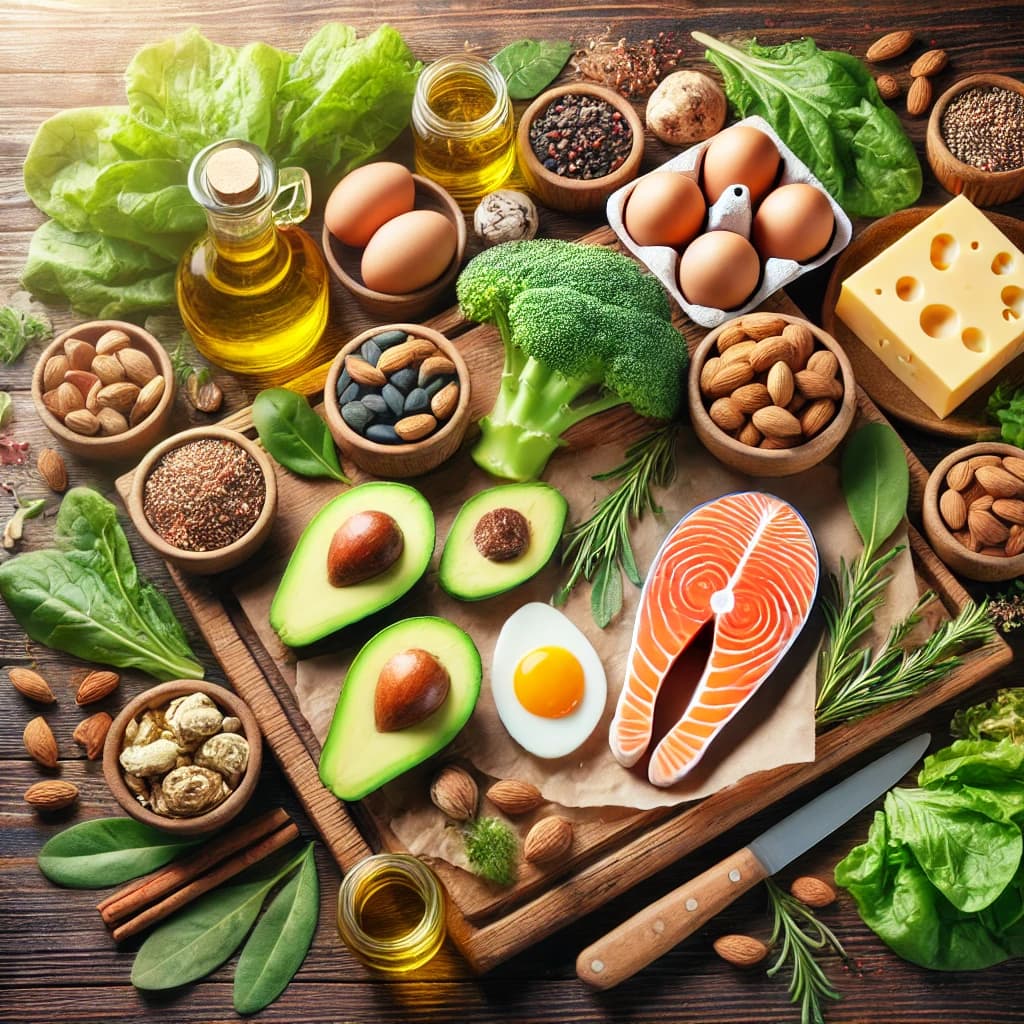
At its core, the keto diet is a low-carb, high-fat way of eating designed to shift your body into a metabolic state called ketosis. In ketosis, your body burns fat for energy instead of glucose from carbs.
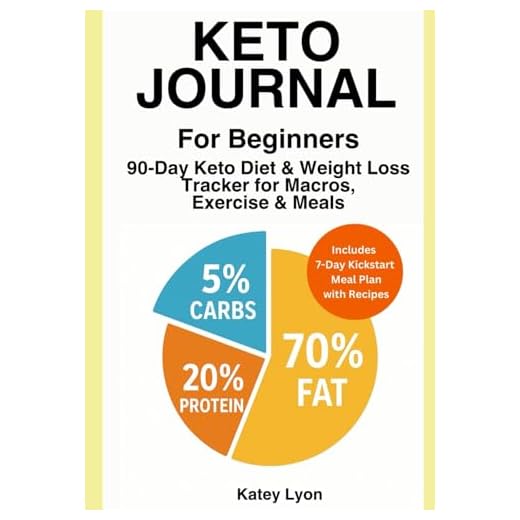
- Macronutrient breakdown: ~70–75% fat, 20–25% protein, and only 5–10% carbs.
- History: Originally developed in the 1920s to treat epilepsy, keto has since gained popularity for weight loss and metabolic health.
- The science: When carbs are drastically reduced, the liver produces ketones from fat, which fuel your brain, muscles, and organs.
Read more: What Is The Keto Diet Exactly?
The Science Behind Ketosis: How Your Body Uses Fat for Fuel
Ketosis is a natural metabolic state that occurs when your body shifts from using glucose (sugar from carbs) as its main energy source to using ketones, which are produced from fat. This change happens when carbohydrate intake is very low, during fasting, or after intense exercise. Once in ketosis, your body becomes more efficient at burning fat and generating ketones to power your muscles, organs, and even your brain.
How Ketosis Works
Normally, the body breaks down carbohydrates into glucose, which is then used as fuel. When carbs are restricted, glucose levels drop, and the liver begins breaking down stored fat into fatty acids. Through a process called ketogenesis, these fatty acids are converted into three main ketone bodies:
- Acetoacetate
- Beta-hydroxybutyrate (BHB)
- Acetone
These ketones enter the bloodstream and are delivered to tissues—including the heart, kidneys, and brain—as a clean and steady energy source. This is what makes keto unique compared to other diets: your brain, which usually depends on glucose, can thrive on ketones.
Benefits of Ketosis
Being in ketosis offers several physiological benefits:
- Stable energy levels: By relying on fat (a consistent fuel supply), your body avoids the energy spikes and crashes that often come with carbs.
- Brain support: Research suggests ketones may provide neuroprotective effects, improving focus, mental clarity, and potentially protecting against certain neurological conditions.
- Reduced inflammation: Studies show that ketone metabolism helps lower oxidative stress and markers of inflammation, which may benefit overall health.
A Brief History of the Ketogenic Diet
The keto diet isn’t new. It was originally developed in the 1920s by Dr. Russell Morse Wilder at the Mayo Clinic as a treatment for epilepsy. Researchers had discovered that fasting reduced seizures, and keto was designed to mimic fasting’s effects while still allowing food intake. While the diet lost popularity with the rise of antiepileptic medications, it has made a strong comeback in recent decades—not only for epilepsy but also for weight loss, metabolic health, and improved energy.
Read more: Ketosis Testing Made Easy: The Best Tools & Methods to Track Your Progress
Benefits of the Keto Diet
- Weight Loss – Lower insulin levels and higher fat burning often result in quick weight loss, especially from stubborn belly fat.
- Stable Energy & Focus – Ketones provide a steady energy source, helping reduce “sugar crashes” and improving mental clarity.
- Blood Sugar Control – Keto can improve insulin sensitivity and support type 2 diabetes management. Read more about Insulin Resistance vs Prediabetes: What’s the Difference?
- Appetite Reduction – High-fat, high-protein meals keep you fuller for longer.
- Potential Neurological Benefits – Originally used for epilepsy, keto shows promise for supporting brain health.
For more information, read my article on Top 10 Quick and Easy Keto Recipes.
Types of Keto Diets
Standard Ketogenic Diet (SKD): The most common version, focusing on a consistent macronutrient ratio.
Targeted Ketogenic Diet (TKD): Allows for additional carbs around workouts.
Cyclical Ketogenic Diet (CKD): Involves carb refeeding periods, often used by athletes.
High-Protein Ketogenic Diet: Slightly higher protein intake compared to SKD.
For more information, read my article on How to Start a Keto Diet: Step-by-Step Plan.
Challenges and How to Overcome Them
Keto Flu: Symptoms such as fatigue, headaches, and irritability are common in the initial phase.
Solution: Stay hydrated, increase electrolyte intake, and gradually reduce carbs.
Social Situations: Dining out or attending events can be challenging.
Solution: Plan and stick to keto-friendly options.
Sustainability: Some people find the diet restrictive over time.
Solution: Experiment with diverse recipes and meal plans.
For more information, read my article on Managing Keto Flu: What Is Keto Flu and How To Avoid It.
How to Get Started on Keto
Step 1: Calculate your macros to determine the right balance of fats, proteins, and carbs.
Step 2: Clean out your pantry and stock up on keto staples like avocados, eggs, and healthy oils.
Step 3: Plan your meals and snacks to stay on track.
Step 4: Gradually reduce your carbohydrate intake to ease the transition into ketosis.
Keto Grocery List & Pantry Staples
Getting started begins with stocking the right foods. Here’s a beginner-friendly grocery list:
✅ Foods to Eat
- Proteins: Eggs, beef, chicken, pork, salmon, tuna, sardines.
- Fats & Oils: Extra virgin olive oil, coconut oil, butter, ghee, avocado oil.
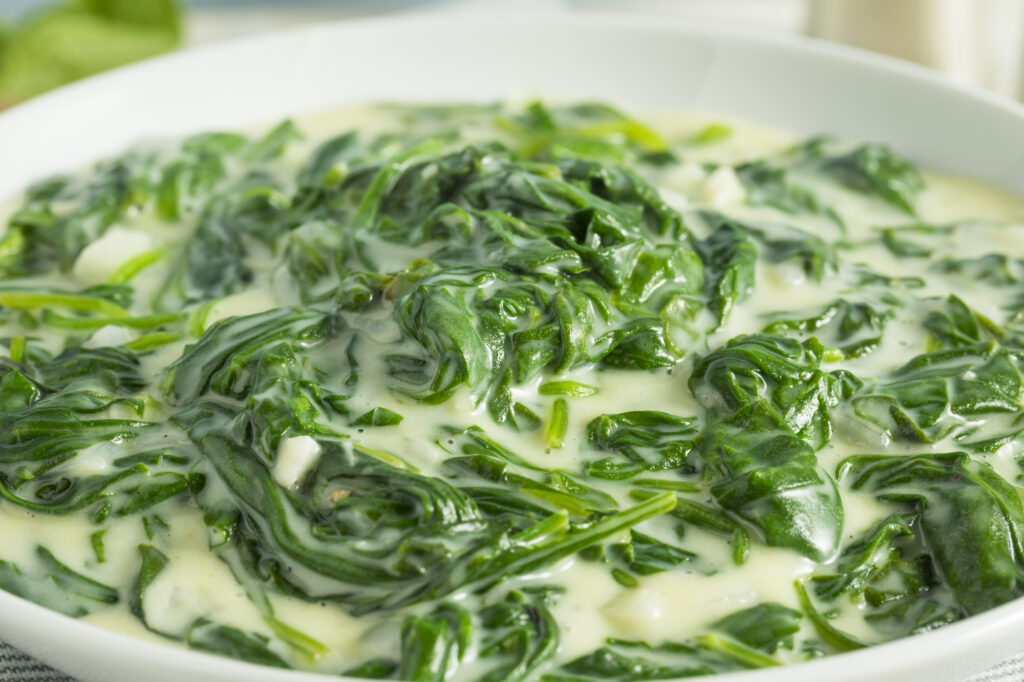
- Low-Carb Vegetables: Spinach, kale, zucchini, cauliflower, broccoli, cucumbers, bell peppers.
- Dairy: Cheese, heavy cream, Greek yogurt (unsweetened).
- Nuts & Seeds: Almonds, walnuts, chia seeds, flaxseeds, pumpkin seeds.
- Condiments & Flavor Boosters: Mustard, mayo (sugar-free), garlic, herbs, spices.
🚫 Foods to Avoid
- Grains (bread, pasta, rice, oats)
- Sugar (soda, candy, desserts)
- High-carb fruits (bananas, apples, grapes)
- Starchy vegetables (potatoes, corn, peas)
- Processed foods with hidden carbs
👉 Read more: What to Eat and Avoid on a Ketogenic Diet.
Sample Keto Recipes
Here are some quick, beginner-friendly meals to kickstart your keto journey:
- Breakfast: Bacon Egg Wrap – Scrambled eggs wrapped in bacon, served with avocado slices.
- Lunch: Kale & Avocado Salad – Tossed with grilled chicken, olive oil, and walnuts.
- Dinner: Garlic Butter Baked Salmon – Served with roasted asparagus.
- Snack: Keto Bacon & Cheese Biscuits – Easy to prep ahead for busy days.
See also: 15 Quick & Easy Keto Desserts That Won’t Break Ketosis
7-Day Keto Meal Plan Preview
Here’s a simple preview of what your first week might look like.
Day 1
Breakfast: Ham Omelet Muffins
Lunch: Kale Hemp Hearts Salad
Dinner: Cinnamon Salmon
Day 2
Breakfast: Eggs and Veggies
Lunch: Chicken Salad
Dinner: Stuffed Pork Loin
Day 3
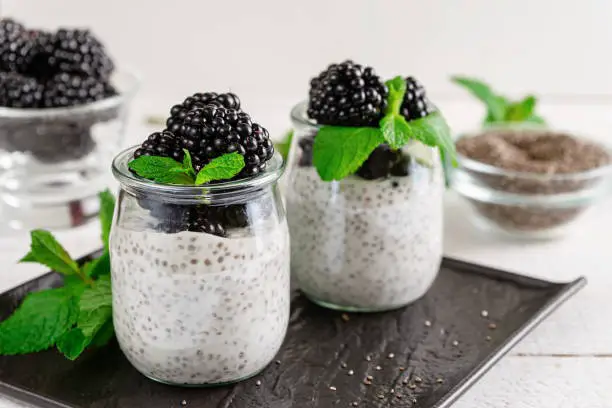
Breakfast: Blackberry-Chia Pudding
Lunch: Tuna Avocado Salad
Dinner: Buttered Cod
Day 4
Breakfast: Kale Avocado Egg Skillet
Lunch: Keto Zucchini Chicken Enchilada Boats
Dinner: Herbed Chicken Skewers
Day 5
Breakfast: Scrambled Eggs With Salmon
Lunch: Bok Choy Stir Fry
Dinner: : Keto Creamy Meatballs
Day 6
Breakfast: Almond Butter Pancakes
Lunch: Pumpkin Bake
Dinner: Cheesy Broccoli Chicken
Day 7
Breakfast: Breakfast Beef Bowl
Lunch: Steak Salad
Dinner: Cauliflower Casserole
For a full plan: Easy 7-Day Keto Meal Plan with Grocery List
FAQs About the Keto Diet
How long does it take to get into ketosis?
Usually 2–7 days, depending on carb intake and activity levels.
Can I eat fruit on keto?
Yes, but stick to low-carb fruits like berries in small amounts.
Is keto safe for everyone?
Most healthy adults can try keto, but those with medical conditions (like diabetes or pregnancy) should consult a doctor first.
What is “keto flu”?
Temporary symptoms (fatigue, headaches, irritability) during the first week as your body adapts. Combat it by staying hydrated and boosting electrolytes.
For more information, read my article on The Impact of Alcohol on a Keto Diet.
The keto diet can feel restrictive at first, but with the right foods, recipes, and meal planning, it becomes not just manageable—but enjoyable. Whether your goal is weight loss, better focus, or improved health, keto offers powerful benefits when done correctly.
Ready to start? Grab the Easy 5-Ingredient, 30-Minute Keto Cookbook for Beginners for quick recipes and a full 7-day meal plan.
Measuring Progress on the Keto Diet
- Ketone Testing: Use blood, urine, or breath tests to track ketosis.Weight and Measurements: Monitor changes in your body composition.Energy and Mood: Pay attention to how you feel throughout the day.
- 9 Keto Products
- Use a journal: Keto Diet Journal For Beginners: 3 Days Keto Meal Plan
The ketogenic diet is a powerful tool for improving health and reaching weight loss goals. To succeed, it’s important to understand its principles, plan, and overcome potential challenges. By doing so, you can fully enjoy the benefits of this lifestyle while still indulging in delicious, satisfying meals.
Whether you’re just starting keto or looking to fine-tune your approach, this guide has everything you need. From essential tips to expert advice, it serves as your go-to resource for all things ketogenic.