
Gluten-Free Diet for Beginners Guide: Benefits, What to Eat & 7-Day Meal Plan
Are you curious about starting a gluten-free diet but not sure where to begin? This Gluten-Free Diet for Beginners will walk you through everything you need to know. From understanding what gluten is and how it affects the body, to recognizing gluten-related disorders, and discovering which foods to eat (and which to avoid), you’ll get a clear and practical overview.
We’ll also explore the health benefits of going gluten-free, common symptoms of intolerance, and provide you with a sample 7-day gluten-free meal plan to make the transition easier. Whether you’re managing celiac disease, gluten sensitivity, or simply exploring a new way of eating, this guide is designed to help you start with confidence.
What Are Gluten-Related Disorders?
Gluten can trigger different health problems, ranging from mild sensitivities to autoimmune conditions.
Celiac Disease
An autoimmune condition where gluten damages the small intestine lining, leading to nutrient malabsorption and systemic inflammation. Symptoms may include bloating, diarrhea, fatigue, and even joint pain.
Non-Celiac Gluten Sensitivity
People experience digestive issues, brain fog, or fatigue after eating gluten, but without intestinal damage.
Wheat Allergy
A true allergy where wheat proteins (including gluten) can trigger immune reactions such as hives, breathing problems, or anaphylaxis.
What to Eat and Drink on a Gluten-Free Diet
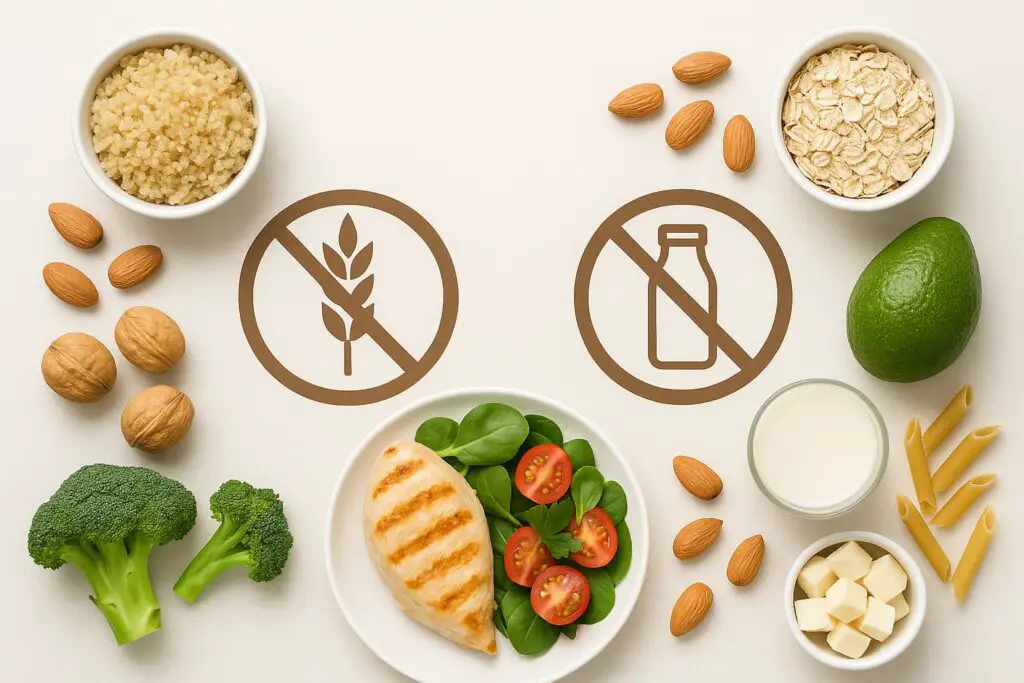
Eating gluten-free doesn’t mean giving up variety. Many foods are naturally free of gluten.
Naturally Gluten-Free Foods
- Fresh fruits and vegetables
- Meat, poultry, fish, and eggs
- Legumes, nuts, and seeds
- Dairy products (check for additives)
Gluten-Free Whole Grains and Flours
- Rice, quinoa, buckwheat, millet, amaranth, corn, sorghum, teff
- Flours: almond, coconut, tapioca, chickpea, rice
Drinks and Beverages to Watch For
- Safe: water, coffee, tea, 100% juices
- Be cautious: beer (unless gluten-free), malt beverages, flavored lattes or smoothies
Foods and Ingredients to Avoid
Gluten hides in many obvious and hidden sources.
Wheat, Barley, Rye
- Bread, pasta, cereal, crackers, cakes, cookies made with wheat flour
- Rye bread, barley soups, malt beverages
Processed Foods with Hidden Gluten
- Soy sauce (choose Tamari instead)
- Salad dressings, gravies, soup bases
- Candy, flavored chips, imitation meats
How to Read Labels Carefully
Check for terms like “modified food starch,” “malt,” “hydrolyzed vegetable protein,” or “natural flavors” if not certified gluten-free.
7-Day Gluten-Free Diet for Beginners
Day 1
- Breakfast: Greek Yogurt Parfait (gluten-free granola, berries, chia seeds)
- Lunch: Chickpea & Avocado Salad Sandwich on gluten-free bread
- Snack: Apple slices with almond butter
- Dinner: Grilled Salmon with quinoa, steamed broccoli, and roasted carrots
Day 2
- Breakfast: Vegetable Omelet (spinach, tomatoes, onions, feta) with gluten-free toast
- Lunch: Quinoa & Black Bean Bowl with roasted peppers and corn
- Snack: Rice cakes with hummus
- Dinner: Baked Chicken Breast with mashed sweet potatoes and green beans
Day 3
- Breakfast: Smoothie (banana, spinach, almond milk, protein powder, flaxseeds)
- Lunch: Lentil Soup with side salad and gluten-free crackers
- Snack: Carrot sticks with guacamole
- Dinner: Shrimp Stir-Fry with broccoli, bell peppers, and tamari sauce over brown rice
Day 4
- Breakfast: Overnight Oats (certified gluten-free oats, almond milk, blueberries, chia seeds)
- Lunch: Turkey Lettuce Wraps with avocado and tomato
- Snack: Handful of mixed nuts and dried fruit (unsweetened)
- Dinner: Grilled Steak with roasted zucchini and baked potato
Day 5
- Breakfast: Chia Pudding topped with strawberries and almond slivers
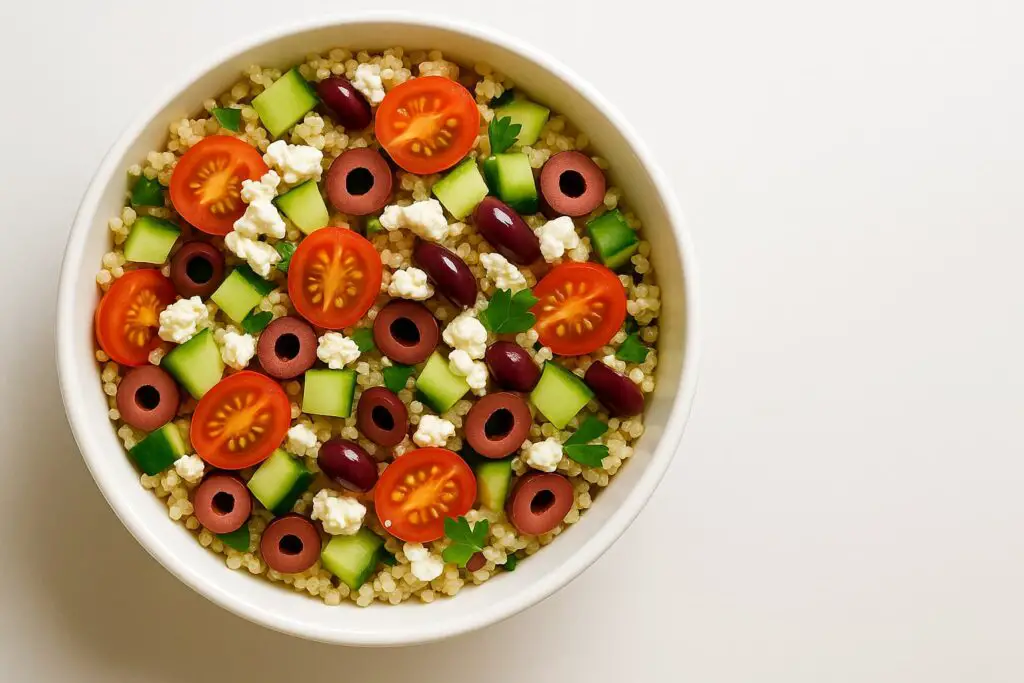
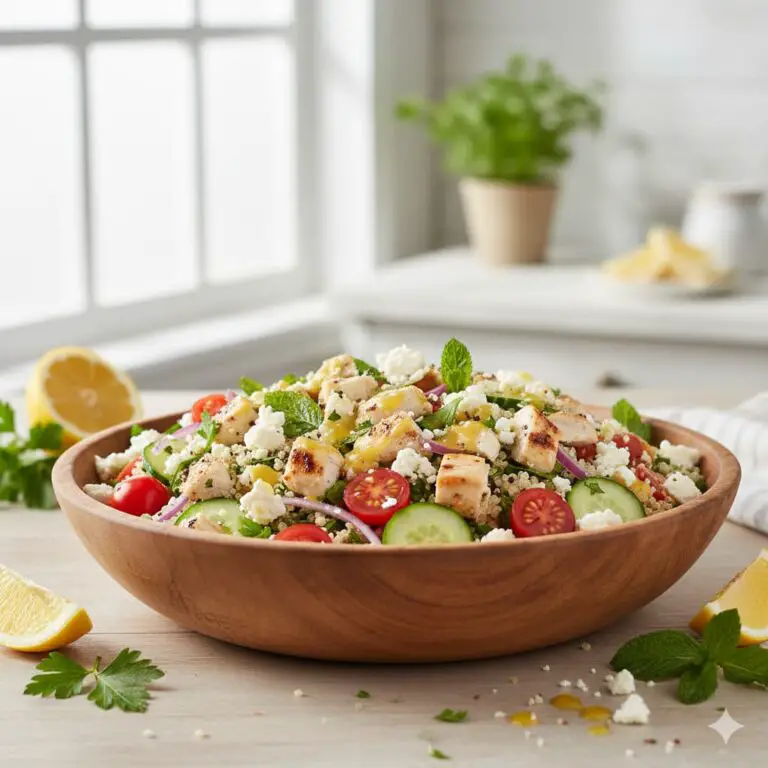
- Lunch: Mediterranean Quinoa Salad (cucumber, tomato, olives, feta, olive oil dressing)
- Snack: Gluten-free popcorn
- Dinner: Baked Cod with wild rice and sautéed spinach
Day 6
- Breakfast: Scrambled Eggs with smoked salmon and sautéed spinach (served with gluten-free toast)
- Lunch: Chickpea & Vegetable Curry with basmati rice
- Snack: Greek yogurt with sunflower seeds
- Dinner: Chicken & Vegetable Sheet Pan Bake (carrots, peppers, onions, Brussels sprouts)
Day 7
- Breakfast: Smoothie Bowl (frozen berries, banana, almond milk, gluten-free granola)
- Lunch: Grilled Chicken Caesar Salad (use gluten-free croutons)
- Snack: Cottage cheese with pineapple chunks
- Dinner: Stuffed Bell Peppers (ground turkey, quinoa, tomatoes, spices)
Notes for Beginners
- All grains used (quinoa, rice, oats) must be certified gluten-free.
- Rotate snacks for variety — fresh fruit, nuts, or veggie sticks are safe staples.
- Prep ahead: cook a batch of quinoa, rice, or roasted veggies at the start of the week.
Gluten-Free Grocery List (Pantry Staples)
- Rice, quinoa, millet, buckwheat
- Gluten-free oats
- Almond, coconut, or rice flour
- Beans, lentils, chickpeas
- Fresh fruits and vegetables
- Lean meats, fish, eggs
- Dairy or plant-based alternatives
- Olive oil, avocado oil, herbs, and spices
Gluten-Free Diet for Beginners Example (Breakfast, Lunch & Dinner Ideas)
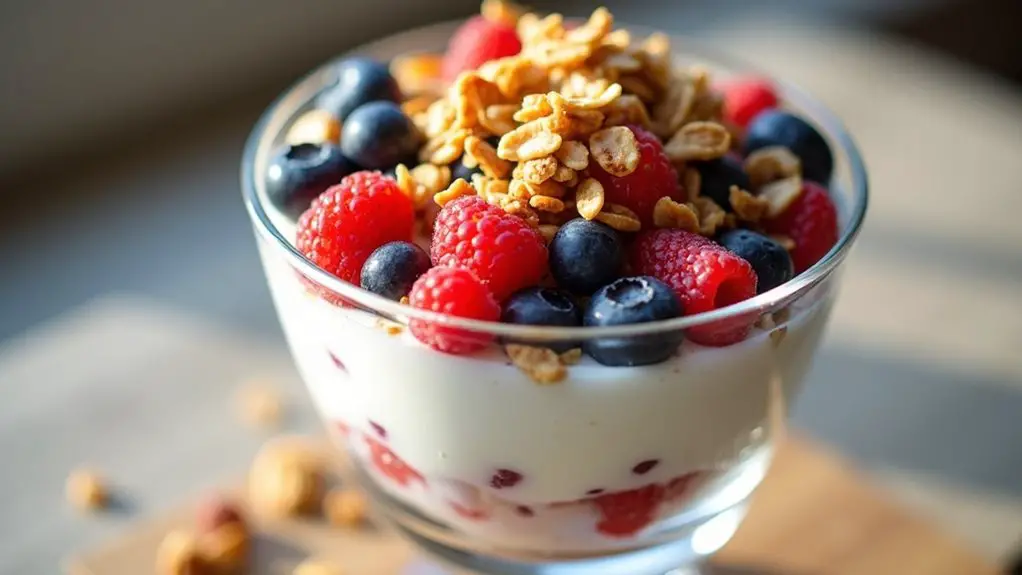
Breakfast: Greek Yogurt Parfait (Gluten-Free)
Ingredients
- 1 cup plain Greek yogurt (check label for certified gluten-free)
- ½ cup fresh berries (blueberries, strawberries, or raspberries)
- 2 tbsp gluten-free granola
- 1 tsp chia seeds or flaxseeds
High in protein, probiotics, and fiber—great way to start the day.
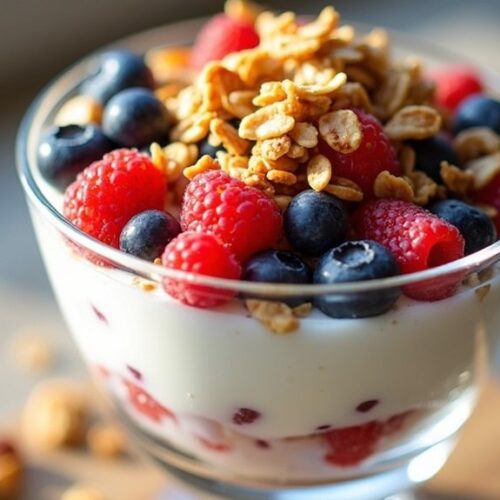
Greek Yogurt Parfait (Gluten-Free)
Ingredients
- 1 cup plain Greek yogurt certified gluten-free
- ½ cup fresh berries blueberries, strawberries, or raspberries
- 2 tbsp gluten-free granola
- 1 tsp chia seeds or flaxseeds
Instructions
- Place half of the Greek yogurt in a small glass or bowl.
- Add a layer of fresh berries and sprinkle with 1 tablespoon of gluten-free granola.
- Spoon the remaining yogurt on top.
- Finish with the rest of the berries, granola, and a sprinkle of chia or flaxseeds.
- Serve immediately, or cover and refrigerate for up to 24 hours.
Lunch: Chickpea & Avocado Salad Sandwich
Ingredients
- 2 slices gluten-free bread (certified GF)
- ½ cup mashed chickpeas
- ½ ripe avocado, mashed
- 1 tbsp olive oil + lemon juice
- Lettuce + tomato slices
Plant-based protein + healthy fats. Simple, filling, and portable.
Snack: Apple with Almond Butter
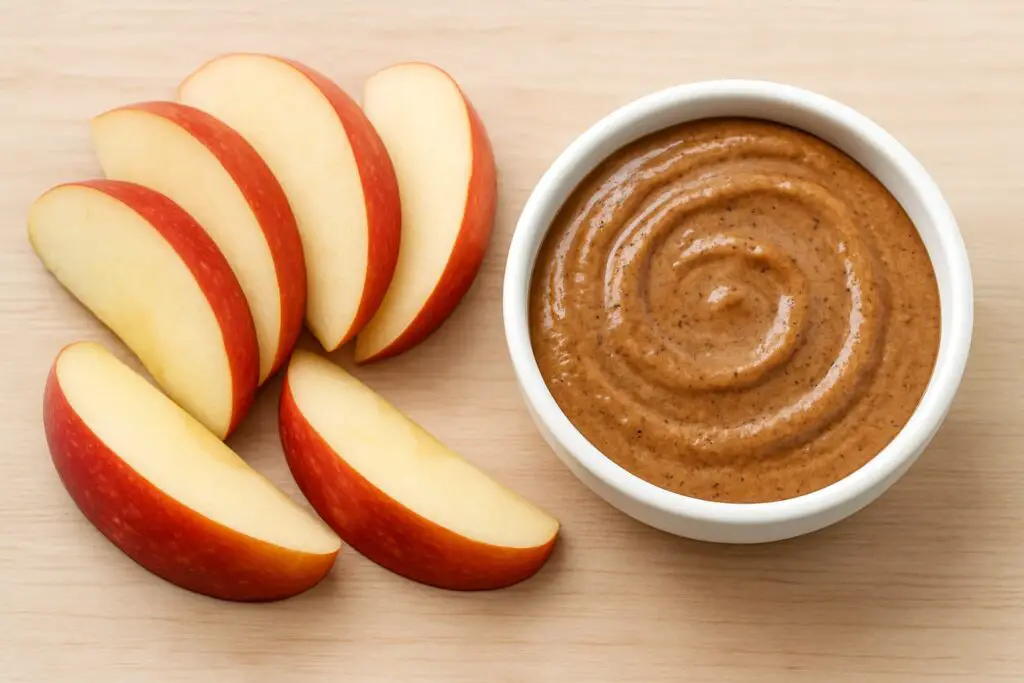
Ingredients
- 1 medium apple (sliced)
- 2 tbsp almond butter (gluten-free brand)
Perfect mid-afternoon snack that’s naturally gluten-free and satisfying.
Dinner: Grilled Salmon with Quinoa & Vegetables
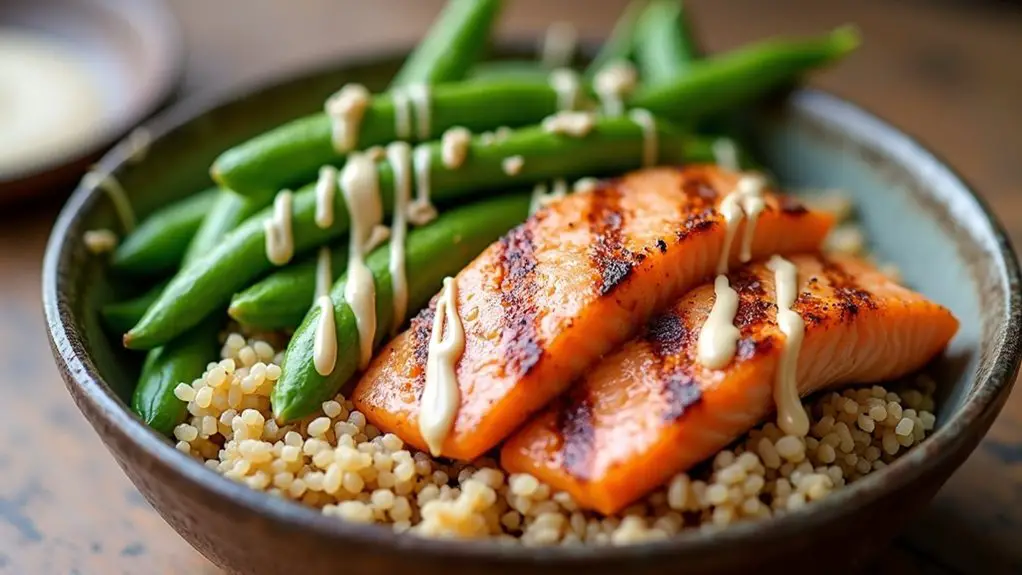
Ingredients
- 1 salmon fillet (seasoned with lemon & herbs)
- ½ cup cooked quinoa
- Steamed broccoli + roasted carrots
Rich in omega-3s, fiber, and micronutrients—a nutrient-dense gluten-free dinner.
Health Benefits of a Gluten-Free Diet
Improved Digestion and Gut Health
Eliminating gluten can reduce bloating, diarrhea, or constipation in sensitive individuals.
Reduced Inflammation
Cutting processed flours and gluten-containing foods helps reduce inflammatory markers.
Better Energy and Focus
Balanced blood sugar and reduced digestive stress often improve mental clarity.
Weight Management
By removing empty carbs like pastries and white bread, many beginners naturally control calories and lose weight.
Why Choose a Gluten-Free Diet?
For Diagnosed Conditions
Essential for people with celiac disease or wheat allergy.
For Overall Lifestyle Change
May benefit those with digestive discomfort or chronic fatigue who feel better without gluten.
When to Consult a Doctor
Always check with a healthcare provider before making major dietary changes, especially if you suspect celiac disease.
Eating Out Gluten-Free: Tips for Restaurants and Takeout
Get started with simple, delicious meals that everyone will love: 10 Easy Gluten-Free Recipes for Beginners
More about Gluten Free Diet
10 Easy Gluten-Free Recipes for Beginners
Gluten and Dairy-Free Benefits for Hashimoto’s: Can Removing These Foods Help Your Thyroid?
Frequently Asked Questions About Gluten-Free Diet for Beginners
What exactly is gluten?
Gluten is a protein found in wheat, rye, barley, and some oats. It gives dough elasticity but has little nutritional value. For those with celiac disease or gluten sensitivity, gluten can cause digestive and systemic issues.
Is a gluten-free diet only for people with celiac disease?
No. While it’s essential for celiac patients, many people with gluten sensitivity, autoimmune conditions, or chronic digestive issues may also benefit from reducing or eliminating gluten.
Can going gluten-free help with weight loss?
Yes — but indirectly. Cutting gluten often removes processed foods like bread, pastries, and fried items, which lowers empty calorie intake. Pairing gluten-free eating with whole foods helps support healthy weight management.
What are the first steps to starting a gluten-free diet?
Begin by removing wheat, barley, rye, and standard oats. Stock your pantry with naturally gluten-free staples such as rice, quinoa, fresh fruits, vegetables, lean proteins, nuts, seeds, and gluten-free flours.
Are oats gluten-free?
Not always. Standard oats are often cross-contaminated with gluten. Only oats labeled certified gluten-free are safe for those avoiding gluten.