Fermented Foods: Beginner’s Guide + Free 7-Day Gut-Healing Meal Plan
Table of Contents
Gut health is no longer a niche topic—it’s a wellness priority. Millions of people in the U.S. turn to fermented foods and prebiotics to support digestion, strengthen immunity, and even improve mood. If you’ve ever wondered whether kombucha or kimchi could be your digestive ally, this guide is for you. Fermented foods and prebiotics are powerful allies for better digestion, stronger immunity, balanced mood, and even weight control. If you’ve ever wondered whether kombucha, kimchi, or kefir could support your gut, this guide is for you.
What Are Fermented Foods?
Fermented foods have undergone a natural process where microorganisms (like bacteria or yeast) convert sugars and starches into acids or alcohol. This process preserves the food and, more importantly, creates probiotics that populate and support your gut microbiome.
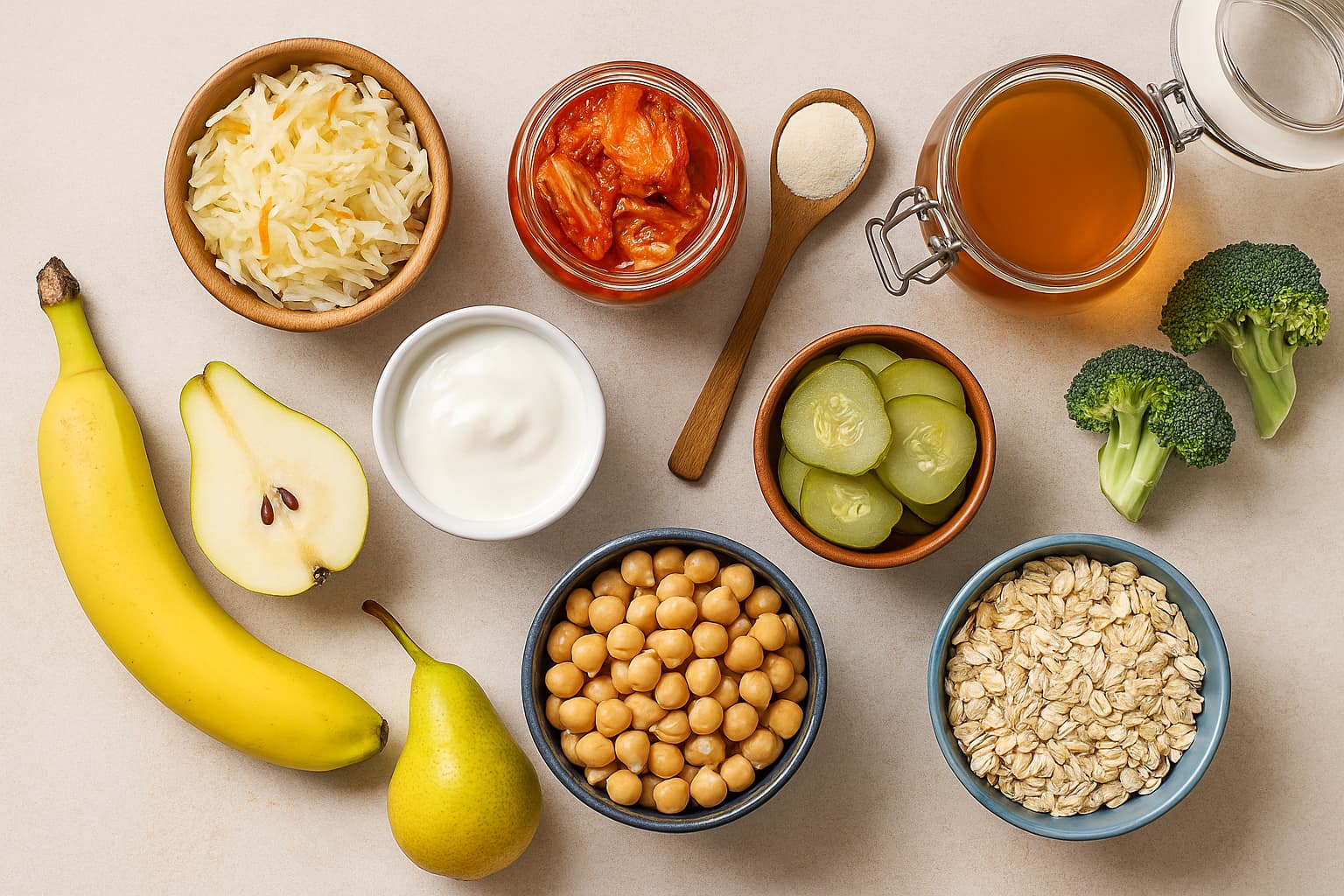
Popular examples of fermented foods and prebiotics include:
- Kimchi
- Sauerkraut
- Yogurt
- Kefir
- Miso
- Tempeh
- Pickles
- Kombucha




For a detailed list of how to eat them, check out the Top 10 Fermented Foods for Gut Health and How to Eat Them
What Are Prebiotics?
While probiotics are live bacteria, prebiotics are non-digestible fibers that feed those bacteria. Common prebiotics include:
- Inulin (found in chicory root)
- Fructooligosaccharides (FOS) (bananas, onions)
- Galactooligosaccharides (GOS) (legumes)
Want to learn more? Visit: The 8 Best Prebiotic Foods (FOS, GOS, Inulin) and How They Work
Common prebiotic-rich foods include:
- Bananas
- Garlic
- Onions
- Leeks
- Asparagus
- Oats
- Legumes (chickpeas, lentils, beans)
- Apples
Why Gut Health Matters
A well-balanced gut microbiome influences more than digestion. Research now links gut bacteria to:
- Immune function
- Hormone regulation
- Mood and anxiety (via the gut-brain axis)
- Weight control and appetite
Health Benefits of Fermented Foods & Prebiotics
A balanced gut microbiome supports much more than digestion. Research shows it can influence:
- Digestive health – less bloating, better regularity, reduced IBS symptoms
- Immunity – stronger defenses against illness
- Hormone balance – supports metabolism and appetite regulation
- Mood & brain health – through the gut-brain axis, linked to reduced anxiety and better focus
- Weight management – improved fat metabolism and reduced inflammation
Fermented vs Prebiotic Foods: Which Is Better?
The magic happens when you combine fermented foods and prebiotics. Think of fermented foods as planting flowers (probiotics) and prebiotics as the fertilizer. You need both for a thriving gut garden.
- Fermented foods = the probiotics (the “flowers”)
- Prebiotics = the fiber that feeds them (the “fertilizer”)
Together, they create a thriving gut “garden” that keeps you healthy.
Can Fermented Foods Help with Digestive Issues?
Yes. People with bloating, IBS, and irregular bowel movements often report relief after adding fermented foods. Start small and introduce one new item at a time.
Want a deep dive? Read Can Fermented Foods Help with Bloating and IBS?.
Fermented Foods and Weight Loss
Your gut flora affects how you store fat, feel hungry, and even how your body responds to carbs. Some studies suggest that fermented foods can assist with fat loss and reduce inflammation.
More on that here: Fermented Foods for Weight Loss: Do They Really Work?
How to Get Started (Beginner Tips)
- Start with 1/4 cup of sauerkraut or kimchi daily
- Drink 4-8 oz of kombucha, but avoid sugary brands
- Include 1-2 servings of prebiotic foods daily (bananas, garlic, oats)
If you’re worried about overdoing it, this will help: How Much Kombucha Is Too Much? A Nutritionist Explains
DIY: Make Your Fermented Foods
Making fermented foods at home can be cheaper and richer in live cultures than store-bought. All you need is salt, veggies, and a clean jar.
Here’s how: How to Make Your Fermented Vegetables at Home (Step-by-Step Guide)
Free 7-Day Gut-Healing Meal Plan (Downloadable PDF)
We created a free, downloadable 7-day gut-healing meal plan packed with fermented foods and prebiotics.
Welcome to your complete 7-Day Gut-Healing Meal Plan designed to restore balance in your microbiome, improve digestion, and support overall well-being. This plan features delicious and practical meals using fermented foods and prebiotic-rich ingredients like kefir, kimchi, lentils, oats, and garlic.
This plan gives you:
This printable plan was created with care by Katey Lyon, Healthy Easy Recipes.
- 3 balanced meals + 1 snack each day
- 3–4 servings of fermented foods daily
- 5–7 servings of prebiotic-rich foods daily
- A complete grocery list + nutrition breakdown
Here’s a sneak peek at what you’ll get
Day 1
- Breakfast: Greek yogurt with banana and oats
- Lunch: Tempeh and quinoa bowl with roasted garlic broccoli
- Dinner: Miso soup with tofu, seaweed, and steamed carrots
- Snack: Kombucha + small handful of blueberries
Fermented Foods: Greek yogurt, tempeh, miso soup, kombucha
Prebiotic Foods: Banana, oats, garlic, broccoli, carrots, blueberries
Day 3
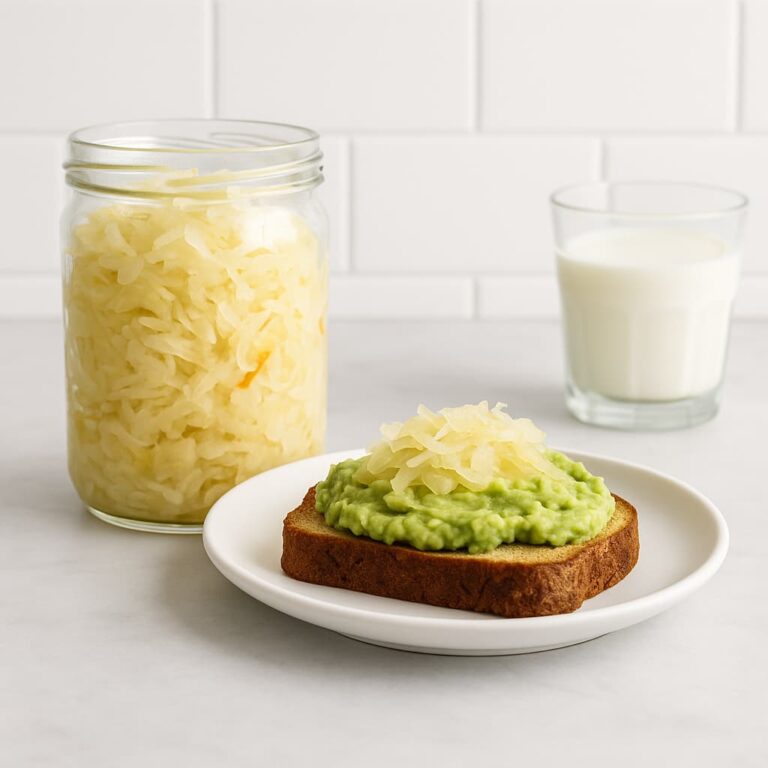
- Breakfast: Avocado toast with whole-grain bread and sauerkraut
- Lunch: Chickpea salad with cucumber, red onion, and lemon
- Dinner: Grilled salmon with asparagus and miso glaze
- Snack: Plain yogurt with flaxseed and kiwi
Fermented Foods: Sauerkraut, miso, yogurt
Prebiotic Foods: Whole grain bread, chickpeas, onion, asparagus, flaxseed, kiwi
Day 5
- Breakfast: Yogurt parfait with oats, berries, and sunflower seeds
- Lunch: Miso soup with soba noodles, tofu, and scallions
- Dinner: Stuffed bell peppers with quinoa and lentils
- Snack: Fermented pickles + pear slices
Fermented Foods: Yogurt, miso, pickles
Prebiotic Foods: Oats, berries, sunflower seeds, lentils, scallions, and pear
Want all 7 days + a complete grocery list?
Download a 7-day gut-healing meal plan packed with fermented foods and prebiotics
4 Popular Diets That Include Fermented Foods & Prebiotics
Gut Health Diet (or Gut-Healing Diet)
Main Focus: Supports gut microbiota balance through probiotics (fermented foods) and prebiotics (fiber-rich foods).
Includes:
- Fermented foods: yogurt, kefir, kimchi, sauerkraut, miso, tempeh, kombucha.
- Prebiotic-rich foods: garlic, onions, leeks, asparagus, bananas, oats, apples, legumes.
Anti-Inflammatory Diet
Connection: Often includes both fermented foods and prebiotic fibers to reduce gut and systemic inflammation. Read more Anti-Inflammatory Diet For Beginners Quick Start Guide Made Easy
Includes:
- Similar fermented and high-fiber foods.
- Omega-3s, spices like turmeric, and antioxidant-rich fruits and vegetables.
Mediterranean Diet
Connection: Emphasizes whole plant foods and includes moderate amounts of fermented dairy (e.g., yogurt, cheese) and fiber-rich foods (legumes, vegetables, fruits). Read more Mediterranean Diet For Beginners: Ultimate Guide to Mediterranean Cooking
Prebiotics: Lentils, onions, garlic, artichokes, etc.
Plant-Based or Whole Food Plant-Based Diet (WFPB)
Connection: High in natural prebiotics due to fiber-rich plant foods; can be paired with fermented foods for enhanced gut health. Read more The Ultimate Guide to a Plant-Based Diet: Benefits, Foods, and Tips
Note: Often excludes dairy, so plant-based ferments like tempeh, kimchi, and kombucha are emphasized.
Low-FODMAP Diet (for IBS – with modifications)
Connection: While restrictive in the short term, in its reintroduction phase, it encourages adding back tolerated prebiotics and probiotics to support long-term gut health.
FAQs About Fermented Foods & Prebiotics
Q: Can fermented foods really help with digestive issues?
A: Yes. Many people with bloating, IBS, or irregularity notice improvements when adding small amounts daily. Start slow and introduce one at a time.
Q: How much should I eat per day?
A: Begin with 1/4 cup sauerkraut or kimchi, 1 serving of yogurt or kefir, and 1–2 servings of prebiotic foods (like oats, garlic, or bananas).
Q: Are homemade ferments better?
A: Often yes — they can be richer in live cultures and lower in additives. Simple recipes like sauerkraut only need salt, cabbage, and a jar.
Adding fermented foods and prebiotics into your routine can transform your digestion, mood, and energy naturally. Start small, stay consistent, and let your gut thrive.