What Causes Emotional Eating? 7 Common Triggers and How to Manage Them
What causes emotional eating? For many people, emotional eating isn’t about hunger at all. It’s a way of coping with difficult emotions, stress, boredom, or daily challenges. Food can provide temporary comfort, distraction, or relief, but it doesn’t solve the underlying issue.
Understanding what causes emotional eating is the first step toward creating a healthier relationship with food. Once you recognize your personal triggers, you can begin responding to emotions in more supportive ways.
What Is Emotional Eating?
Emotional eating happens when you use food to cope with feelings rather than physical hunger. It often involves eating in response to stress, sadness, anxiety, boredom, loneliness, or frustration.
While occasional emotional eating is normal, it can become a problem when food becomes the primary way of managing emotions.
Let’s explore What causes emotional eating with the seven of the most common emotional eating triggers and how to manage them.
1. Stress
Stress is one of the most common causes of emotional eating. When you’re stressed, your body releases cortisol, a hormone that can increase appetite and cravings for high-calorie comfort foods.
Many people reach for sweets, chips, or fast food during stressful periods because these foods provide temporary comfort.
How to Manage It
- Take a short walk.
- Practice deep breathing exercises.
- Keep healthy snacks available.
- Pause and ask yourself if you’re physically hungry.
Even a few minutes of stress management can help reduce the urge to eat emotionally.
2. Boredom
Sometimes eating isn’t about hunger—it’s about needing stimulation.
When life feels repetitive or uninteresting, food can become a source of entertainment. Mindless snacking while watching TV or scrolling social media is often linked to boredom rather than physical hunger.
How to Manage It
- Find a hobby or creative activity.
- Read a book.
- Call a friend.
- Take a walk outside.
The goal is to replace automatic eating with activities that genuinely engage your mind.
3. Loneliness
Food can sometimes provide comfort when we feel disconnected from others. Many people notice stronger cravings when they’re alone, especially during evenings or weekends.
Unfortunately, while food may temporarily ease loneliness, it doesn’t create meaningful connection.
How to Manage It
- Reach out to family or friends.
- Join a community group or class.
- Spend time with supportive people.
- Engage in activities that create connection.
Addressing loneliness directly is often more effective than using food for comfort.
4. Fatigue
Lack of sleep can significantly affect appetite and food choices. When you’re tired, your body often craves quick sources of energy, particularly sugary and highly processed foods.
Fatigue also makes it harder to make mindful decisions and resist cravings.
How to Manage It
- Prioritize consistent sleep.
- Create a relaxing bedtime routine.
- Stay hydrated.
- Choose balanced meals with protein and fiber.
Sometimes what feels like hunger is actually exhaustion.
5. Anxiety
Anxiety creates physical sensations that can sometimes feel similar to hunger. Some people eat to calm nervous feelings or distract themselves from worry.
Food may provide short-term relief, but the underlying anxiety usually remains.
How to Manage It
- Practice mindfulness exercises.
- Use deep breathing techniques.
- Journal your thoughts and feelings.
- Consider professional support if anxiety becomes overwhelming.
Learning to tolerate uncomfortable emotions without turning to food is an important skill.
6. Habit
Not all emotional eating is caused by strong emotions. Sometimes it’s simply a habit. One effective way to increase awareness is through mindful eating. Our article How to Use Mindful Eating to Stop Emotional Eating explains simple techniques that can help you slow down, recognize triggers, and reconnect with your body’s natural hunger cues.
For example:
- Eating snacks every night while watching TV
- Grabbing food during work breaks
- Having dessert automatically after dinner
Over time, these habits can become automatic behaviors.
How to Manage It
- Notice your eating routines.
- Identify situations that trigger automatic eating.
- Create new habits to replace old ones.
- Practice mindful eating during meals and snacks.
Awareness is often the first step toward change.
7. Restriction and Dieting
Ironically, strict dieting is one of the biggest causes of emotional eating.
When you constantly restrict foods, label foods as “good” or “bad,” or try to be perfect, cravings often become stronger. Eventually, many people feel deprived and overeat, creating a cycle of guilt and starting over.
Emotional Hunger vs Physical Hunger
One of the most important skills for overcoming emotional eating is learning to recognize the difference between emotional hunger and physical hunger.
At first, they can feel very similar. Both create the desire to eat, but they come from different needs.
Physical Hunger
Physical hunger is your body’s natural signal that it needs fuel and nourishment. It usually develops gradually and becomes stronger over time.
Signs of physical hunger may include:
- A growling or empty stomach
- Low energy or difficulty concentrating
- Feeling hungry several hours after a meal
- Being open to a variety of foods
Physical hunger can usually be satisfied with many different foods. Once you eat enough, the feeling gradually disappears.
Emotional Hunger
Emotional hunger is different. It is driven by emotions rather than physical need.
It often appears suddenly and creates cravings for specific comfort foods such as sweets, chips, ice cream, bread, or other highly processed foods.
Emotional hunger is commonly triggered by:
- Stress
- Boredom
- Loneliness
- Anxiety
- Frustration
- Fatigue
Because emotional hunger is linked to feelings, eating often provides only temporary relief. The emotion remains, which can lead to continued eating even when the body is full.
How to Tell the Difference
Ask yourself these questions before eating:
- Did this hunger appear suddenly or gradually?
- Am I craving one specific food?
- Would a balanced meal satisfy me right now?
- What emotion am I feeling in this moment?
If you’re open to eating almost anything, physical hunger is more likely. If you’re focused on one specific comfort food and not experiencing physical signs of hunger, emotional hunger may be driving the urge to eat.
Why This Awareness Matters
Many people believe they lack willpower when they struggle with emotional eating. In reality, they may simply be responding to emotional hunger instead of physical hunger.
Learning to pause and identify the source of hunger creates space for a different response. Instead of automatically reaching for food, you can choose an action that addresses what you truly need—whether that’s nourishment, rest, connection, stress relief, or emotional support.
This awareness is often the first step toward breaking the emotional eating cycle and building a healthier relationship with food.
How to Manage It
- Avoid extreme diets.
- Focus on balance rather than perfection.
- Allow flexibility in your eating plan.
- Practice self-compassion when mistakes happen.
Sustainable habits are usually more effective than strict rules.
How to Break the Emotional Eating Cycle
Emotional eating isn’t a sign of weakness or lack of willpower. It’s often a coping strategy that developed over time. The good news is that coping strategies can be changed.
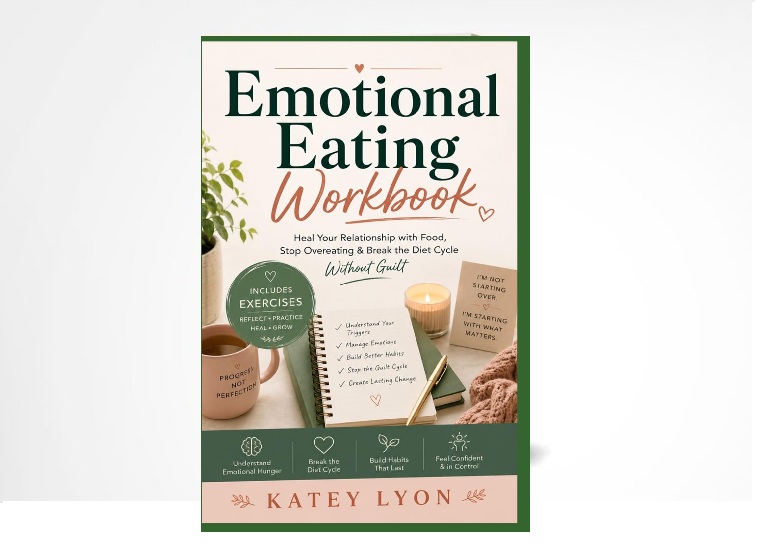
Start by identifying your most common triggers. If you’d like a structured approach to identifying emotional eating triggers and creating healthier habits, our Emotional Eating Workbook provides guided exercises and practical tools to help you break the cycle of overeating and guilt. Ask yourself:
- What was I feeling before I ate?
- Was I physically hungry?
- What did I really need in that moment?
These simple questions can create awareness and help you make more intentional choices.
Next Steps
If emotional eating is something you struggle with regularly, our Emotional Eating Workbook can help you identify personal triggers, understand emotional hunger, and develop healthier coping strategies.
You may also enjoy reading How to Use Mindful Eating to Stop Emotional Eating, which explores practical techniques for becoming more aware of your eating habits and reconnecting with your body’s natural hunger cues.
Understanding your triggers is the first step toward changing them. The Food Journal: 90-Day Mindful Weight Loss Tracker helps you record your meals, emotions, sleep, and exercise so you can begin recognizing the patterns that influence your eating habits.
Frequently Asked Questions
What causes emotional eating?
Common causes include stress, boredom, loneliness, fatigue, anxiety, habits, and restrictive dieting. Emotional eating often develops as a way to cope with difficult feelings.
Is emotional eating normal?
Yes. Most people eat emotionally from time to time. It becomes problematic when food becomes the primary way of managing emotions.
Can emotional eating lead to weight gain?
It can. Emotional eating often involves consuming food when you’re not physically hungry, which may contribute to excess calorie intake over time.
How can I stop emotional eating?
The first step is identifying your triggers. Mindful eating, journaling, stress management, and increasing awareness can help reduce emotional eating patterns.
Sources
- American Psychological Association (APA)
- Mayo Clinic – Stress Management
- National Institute of Mental Health (NIMH)