How to Stop Stress Eating: 10 Practical Strategies That Actually Work
How to stop stress eating is a question many people ask when they find themselves reaching for food during difficult days. Whether it’s a stressful job, family responsibilities, financial concerns, or everyday pressures, stress can have a powerful effect on eating habits.
If you’ve ever found yourself standing in front of the refrigerator after a difficult day, you’re not alone. The good news is that stress eating is a learned response, which means it can be changed. By understanding why stress triggers cravings and learning healthier ways to cope, you can build a more balanced relationship with food and learn how to stop stress eating.
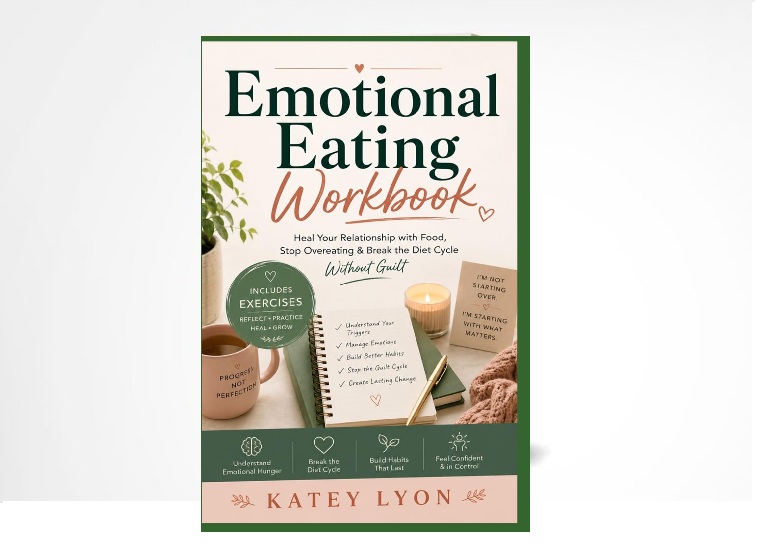
If stress eating is a recurring challenge, the Emotional Eating Workbook can help you identify triggers, build awareness, and create healthier coping strategies. Chronic stress can affect both physical and emotional well-being. For additional information about healthy stress management techniques and how stress affects the body, visit the Mayo Clinic’s guide on stress management.
What Is Stress Eating?
Stress eating occurs when you use food to cope with emotional or mental stress rather than physical hunger. During stressful situations, many people crave foods that are high in sugar, fat, or refined carbohydrates because these foods can temporarily activate the brain’s reward system and provide short-term comfort. The problem is that the relief is often temporary, while the stress remains.
Why Does Stress Make You Want to Eat?
When you’re under stress, your body releases hormones such as cortisol. Elevated cortisol levels can increase appetite and make highly palatable foods more appealing.
Stress can also:
- Reduce self-control
- Increase cravings
- Trigger emotional eating habits
- Lead to mindless snacking
- Disrupt sleep, which may increase hunger
Understanding this connection can help you respond with greater awareness instead of self-criticism.
Signs You May Be Stress Eating
You may be stress eating if you:
- Eat when you’re not physically hungry
- Crave comfort foods during stressful situations
- Snack while working, studying, or worrying
- Feel guilty after eating
- Use food to calm emotions
- Find yourself eating quickly or mindlessly
Recognizing these signs is the first step toward change.
How to stop stress eating
1. Pause Before Eating
One of the simplest ways to interrupt stress eating is to create a short pause. Before reaching for food, ask yourself:
- Am I physically hungry?
- What am I feeling right now?
- What do I need in this moment?
Sometimes the answer may still be food, but often you’ll discover that you’re actually seeking comfort, rest, distraction, or relief from stress.
2. Identify Your Stress Triggers
Stress eating rarely happens without a trigger. Common triggers include:
- Work deadlines
- Financial concerns
- Relationship conflicts
- Family responsibilities
- Lack of sleep
- Feeling overwhelmed
Keeping a journal can help you identify patterns between stress and eating habits. Check Why Tracking Mood Is Just as Important as Tracking Food
3. Practice Mindful Eating
Mindful eating helps you slow down and pay attention to your body’s signals.
Instead of eating automatically, focus on:
- Hunger levels
- Taste and texture
- Fullness cues
- Emotional state
Our article How to Use Mindful Eating to Stop Emotional Eating provides practical techniques for becoming more aware of eating habits and emotional triggers.
4. Create a Stress Relief List
Many people have only one stress-management tool: food.
Try creating a list of alternatives such as:
- Taking a walk
- Stretching
- Deep breathing
- Listening to music
- Reading
- Journaling
- Calling a friend
The goal is to give yourself more options when stress appears.
5. Improve Sleep Quality
Poor sleep and stress often work together to increase cravings. When you’re tired, you’re more likely to seek quick sources of energy and comfort.
Aim for:
- Consistent bedtimes
- A relaxing evening routine
- Reduced screen time before bed
- Adequate sleep duration
Better sleep can significantly reduce stress-related cravings. This is the best way how to stop stress eating.
6. Don’t Skip Meals
Many people unintentionally make stress eating worse by skipping meals. Long periods without food can increase hunger and make it harder to make mindful choices later in the day. Balanced meals that include:
- Protein
- Fiber
- Healthy fats
can help stabilize energy levels and reduce cravings.
7. Keep Trigger Foods Out of Immediate Reach
You don’t need to ban foods forever, but making stress-eating foods less accessible can help reduce impulsive decisions. Instead of keeping comfort foods within easy reach, make healthier options more convenient. Small environmental changes can have a surprisingly large impact.
8. Learn to Sit With Difficult Emotions
One reason stress eating becomes a habit is that food provides a quick distraction from uncomfortable feelings. Learning to tolerate emotions without immediately trying to escape them is an important skill.
Ask yourself:
“What am I actually feeling right now?”
You may discover emotions such as:
- Frustration
- Anxiety
- Loneliness
- Disappointment
- Overwhelm
Acknowledging emotions often reduces their intensity.
9. Practice Self-Compassion
Many people respond to stress eating with guilt and self-criticism. Unfortunately, guilt often creates more stress, which can lead to more emotional eating. Instead of focusing on mistakes, focus on learning. Every episode of stress eating can provide useful information about your triggers and needs.
10. Address the Source of Stress
Food may provide temporary comfort, but it rarely solves the underlying problem.
Whenever possible, look for practical ways to reduce or manage the source of stress itself.
This may include:
- Setting boundaries
- Asking for help
- Improving time management
- Seeking professional support
- Creating healthier routines
Long-term change often begins with addressing the root cause.
When Stress Eating Becomes a Pattern
If stress eating continues despite your efforts, it may be part of a larger emotional eating pattern. Many people discover that stress eating is connected to:
- Dieting cycles
- Perfectionism
- All-or-nothing thinking
- Food guilt
- Long-standing coping habits
Understanding these patterns can make lasting change easier.
Emotional Eating Workbook
If you’re ready to go deeper, our Emotional Eating Workbook provides guided exercises to help you:
- Identify emotional eating triggers
- Understand personal sabotage patterns
- Break the guilt–restriction cycle
- Build healthier coping strategies
- Create sustainable habits that don’t rely on willpower
Become More Aware of Your Eating Patterns
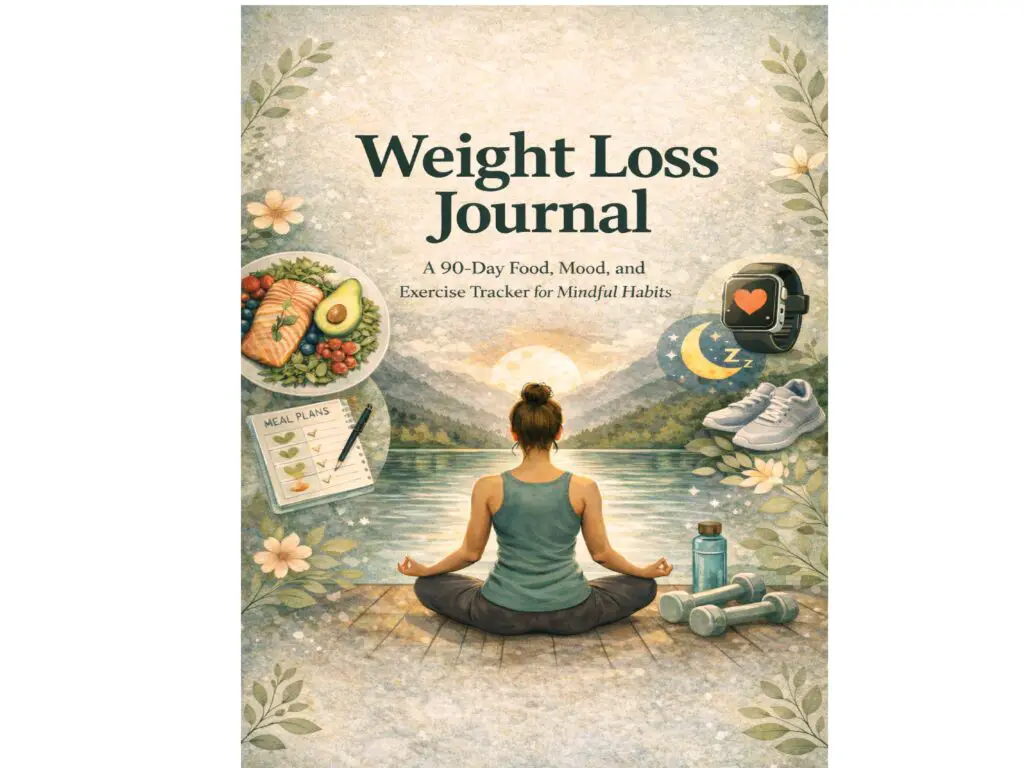
Many people don’t realize how closely emotions and eating habits are connected until they begin tracking them. The Food Journal: 90-Day Mindful Weight Loss Tracker helps you record your meals, mood, sleep, and daily habits so you can recognize patterns and make more mindful choices over time.
Frequently Asked Questions
What is stress eating?
Stress eating is using food to cope with stress, emotions, or difficult situations rather than physical hunger.
Why do I crave unhealthy foods when stressed?
Stress hormones can increase appetite and make high-calorie comfort foods more appealing because they temporarily activate the brain’s reward system.
Can stress eating cause weight gain?
It can. Regularly eating in response to stress rather than hunger may increase calorie intake over time.
What is the best way to stop stress eating?
The most effective approach is identifying triggers, increasing awareness, practicing mindful eating, and developing alternative coping strategies.
Final Thoughts
Learning how to stop stress eating isn’t about perfection. It’s about becoming more aware of your triggers, building healthier coping tools, and responding to stress with greater self-compassion.
Small changes practiced consistently can lead to lasting improvements in both your eating habits and overall well-being.