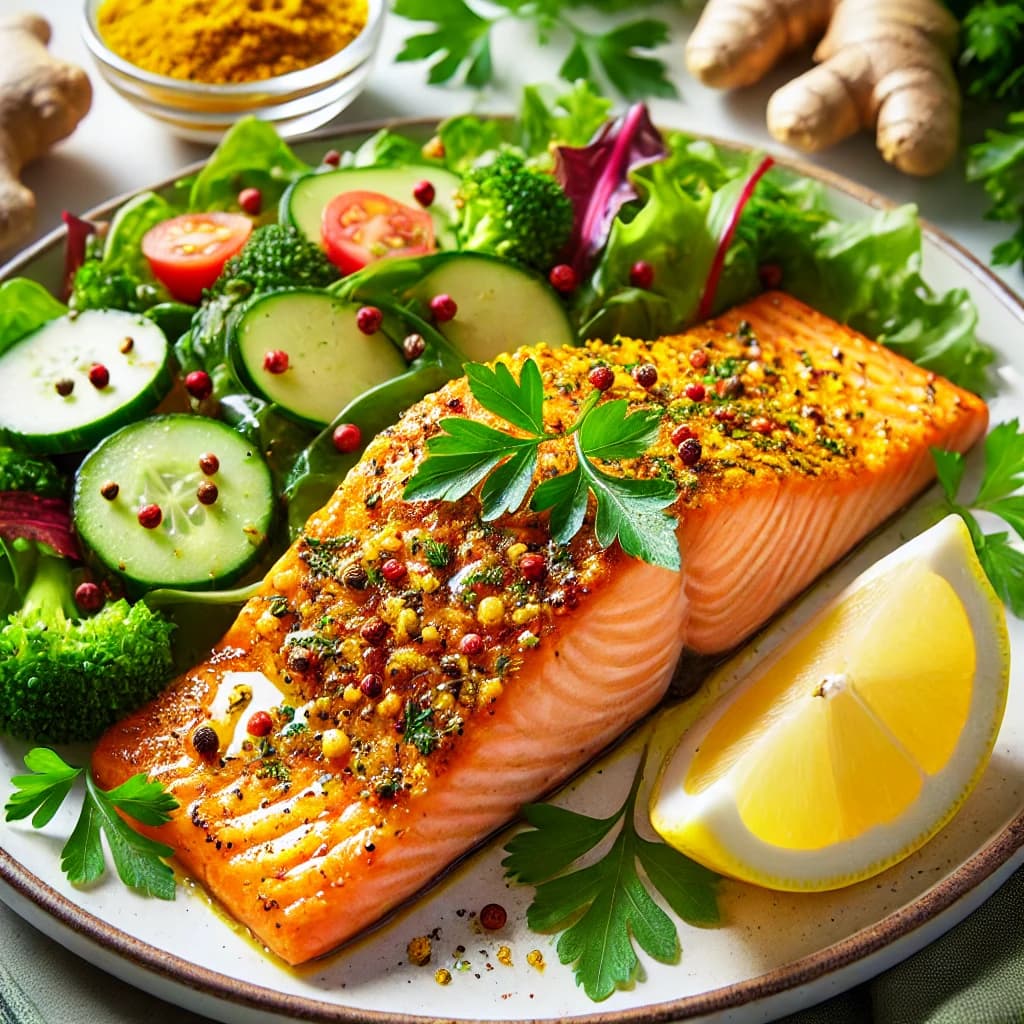

Turmeric in an Anti-Inflammatory Diet: 5 Benefits and Recipes
In this article, you’ll discover the top turmeric anti-inflammatory benefits, learn how to boost its absorption with black pepper and healthy fats, and explore delicious turmeric recipes — from golden milk to soups and salads — that make it easy to add this healing spice into your daily diet.
If you’ve ever searched for natural ways to reduce inflammation, turmeric is one of the first remedies you’ll find. Known as the “golden spice,” turmeric has been used for centuries in traditional medicine and is now backed by modern research for its powerful health effects. The secret lies in curcumin, its active compound, which helps fight chronic inflammation, supports joint health, and protects against long-term conditions like heart disease and diabetes.
What Makes Turmeric Anti-Inflammatory?
Turmeric’s healing power comes from curcumin, a natural compound responsible for its golden color and impressive anti-inflammatory effects. But to truly unlock turmeric’s potential, you also need to pair it with the right boosters like black pepper and healthy fats.
Curcumin, the Active Compound
Curcumin is the bioactive polyphenol in turmeric that gives it its anti-inflammatory and antioxidant strength. Research shows that curcumin can block molecules like NF-κB and cytokines that drive chronic inflammation in the body. This makes it useful not only for soothing joint pain but also for reducing inflammation linked to heart disease, diabetes, and autoimmune conditions. The challenge is that curcumin has low natural bioavailability—meaning your body doesn’t absorb it well without help.
Why Black Pepper (Piperine) Matters
Adding just a pinch of black pepper to turmeric can increase curcumin absorption by up to 2,000%. Piperine, the compound in black pepper, slows down the breakdown of curcumin in the liver and gut, giving your body more time to absorb it. This is why recipes like golden milk, curries, and soups often include both turmeric and pepper — it’s not only for flavor but also for maximum health benefits.
Role of Healthy Fats for Absorption
Curcumin is fat-soluble, which means it needs to be consumed with fats for better absorption. Pairing turmeric with olive oil, coconut oil, ghee, or even the natural fats in full-fat coconut milk helps your body utilize curcumin more effectively. This is why many traditional recipes combine turmeric with oils or milk-based bases — they naturally enhance its bioavailability.
Top 5 Turmeric Anti-Inflammatory Benefits
Turmeric is more than a spice — it’s a functional food that delivers multiple health benefits when used regularly. Here are the top five backed by research:
Reduces Chronic Inflammation
Low-grade inflammation plays a role in many chronic conditions. Curcumin helps block pro-inflammatory pathways, reducing markers like CRP (C-reactive protein) and calming the body’s overactive immune response.
Supports Joint and Muscle Health
Turmeric has been widely studied for its ability to ease arthritis symptoms. It reduces stiffness, improves mobility, and soothes post-exercise muscle soreness. Many people find turmeric a natural alternative to NSAIDs, without the side effects.
Boosts Brain and Memory Function
Curcumin may increase BDNF (Brain-Derived Neurotrophic Factor), a hormone linked to memory, learning, and reduced risk of Alzheimer’s. Studies also show it supports mood regulation, potentially helping with anxiety and depression.
Aids Digestion and Gut Health
Turmeric supports a healthy gut lining, reduces bloating, and may help conditions like IBS. Its antimicrobial and anti-inflammatory actions improve the balance of gut bacteria, supporting overall digestive wellness.
Lowers Chronic Disease Risk
By fighting oxidative stress and systemic inflammation, turmeric helps reduce the risk of diseases like heart disease, type 2 diabetes, and even certain cancers. Its antioxidant properties protect cells from long-term damage.
How to Use Turmeric Daily
Incorporating turmeric into your diet doesn’t have to be complicated. Here are simple ways to enjoy it every day:
- Cooking Ideas: Add turmeric to soups, curries, rice, roasted vegetables, and scrambled eggs for a flavorful anti-inflammatory boost.
- Smoothies & Drinks: Blend into a morning smoothie with banana and coconut milk, or enjoy a warm golden milk latte in the evening.
- Supplements: If you’re looking for a concentrated dose, turmeric is available as capsules, teas, and liquid extracts. Choose supplements that include black pepper or piperine for better absorption.
Turmeric Nutrition & Benefits at a Glance
| Component / Use | What It Does | Best Pairing | Why It Helps |
|---|---|---|---|
| Curcumin (active compound) | Reduces inflammation, acts as a strong antioxidant | Combine with black pepper (piperine) | Boosts absorption by up to 2000% |
| With Healthy Fats | Improves absorption of fat-soluble curcumin | Add olive oil, coconut oil, ghee | Maximizes curcumin’s bioavailability |
| Turmeric + Black Pepper | Slows curcumin breakdown in the gut & liver | Use in soups, curries, golden milk | Extends absorption time for better results |
| Turmeric in Cooking | Enhances flavor & color while adding health benefits | Rice, eggs, roasted veggies, smoothies | Easy daily use supports consistent benefits |
| Supplements (capsules/teas/extracts) | Provides higher concentration of curcumin | Choose formulas with piperine | Delivers therapeutic levels for chronic issues |

Turmeric Anti-Inflammatory Benefits in Your Diet
- Fights Chronic Inflammation: Helps control low-grade inflammation linked to various diseases.
- Eases Joint Pain: Offers natural relief for people suffering from arthritis or muscle soreness.
- Boosts Immunity: Supports your immune system, especially during cold and flu seasons.
- Supports Brain Health: Some studies suggest curcumin may boost levels of BDNF, a brain hormone linked to memory and learning.
- Aids Digestion: Reduces symptoms of bloating, gas, and indigestion.
Delicious Turmeric Recipes to Try
Here are some easy, nourishing recipes to bring turmeric into your kitchen:
Golden Milk (Turmeric Latte)
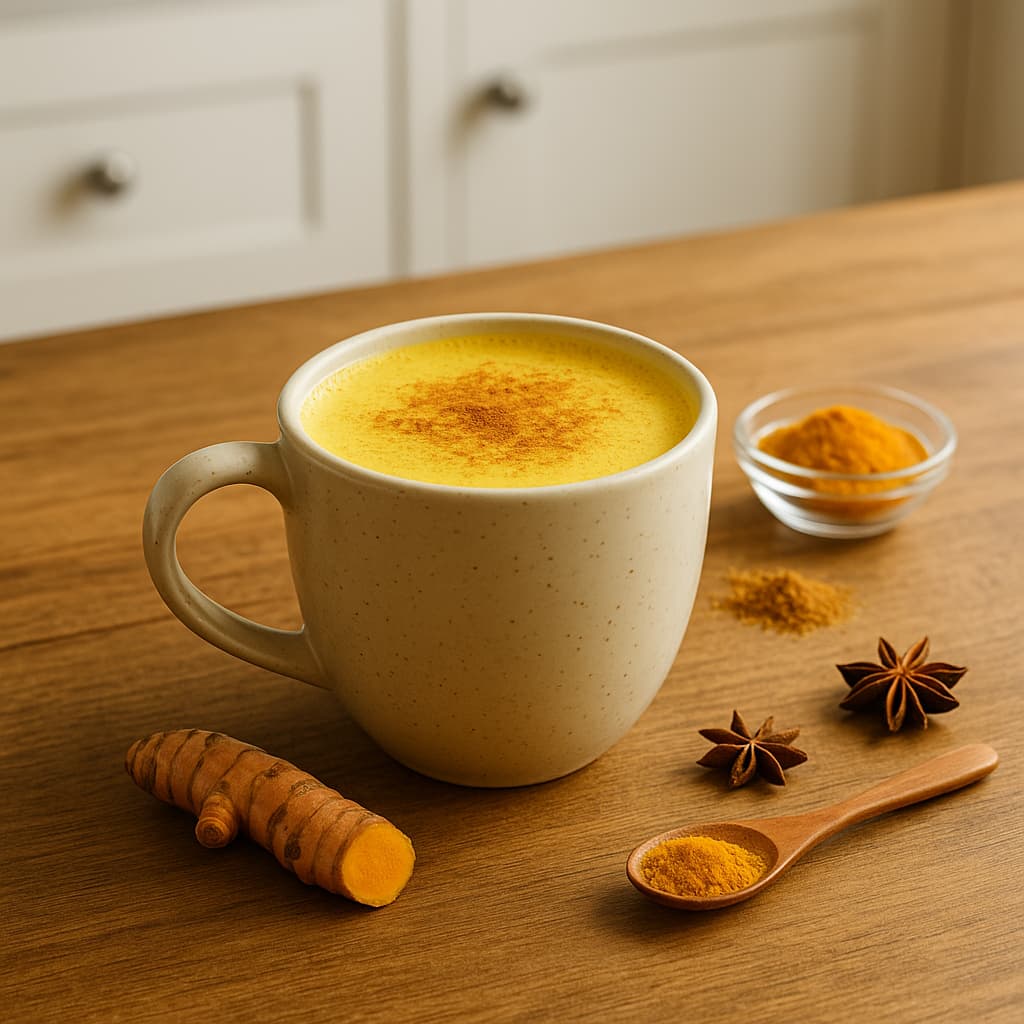
Perfect for winding down in the evening.
Ingredients:
- 1 cup unsweetened almond milk
- 1 tsp ground turmeric
- ¼ tsp ground cinnamon
- Pinch of black pepper
- ½ tsp coconut oil
- 1 tsp honey or maple syrup (optional)
Instructions:
Warm the almond milk over low heat. Whisk in turmeric, cinnamon, black pepper, and coconut oil. Sweeten to taste. Simmer gently (don’t boil) for 5–7 minutes. Serve warm.
Turmeric Chickpea Salad
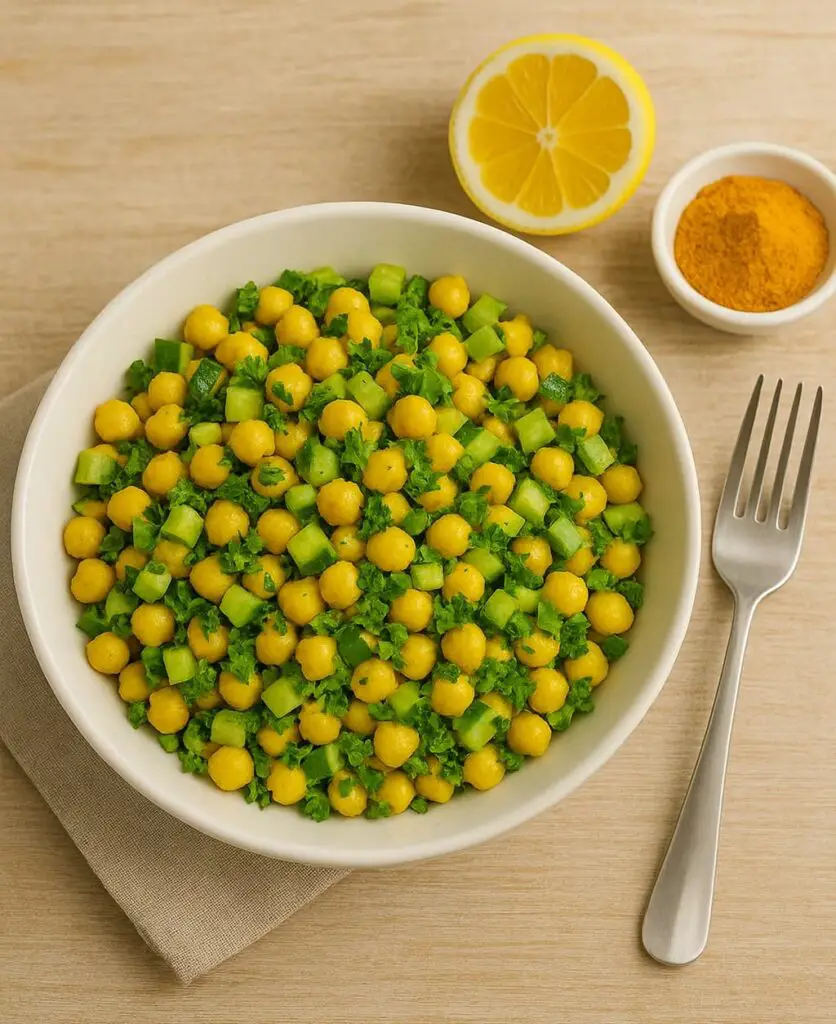
An anti-inflammatory lunch packed with fiber and protein.
Ingredients:
- 1 can of chickpeas, rinsed and drained
- 1 tbsp olive oil
- ½ tsp turmeric
- ½ tsp cumin
- Salt and pepper to taste
- Fresh parsley, chopped
- Lemon juice
Instructions:
Toss chickpeas with oil and spices. Roast at 400°F (200°C) for 20 minutes. Cool slightly and mix with parsley and lemon juice for a refreshing salad.
Turmeric Chiken Soup
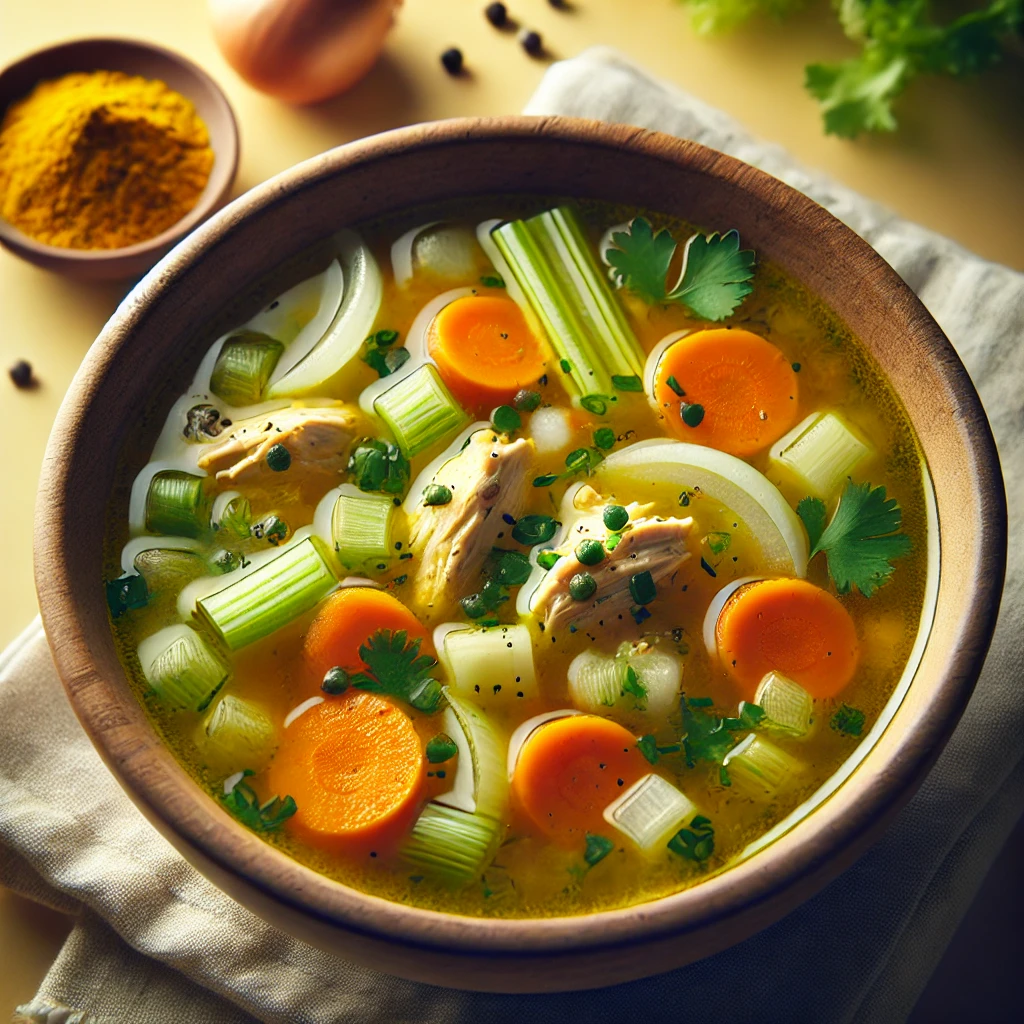
Comforting and healing, perfect for colder days.
This Turmeric Chicken Soup is a powerful blend of healing ingredients designed to soothe inflammation and boost your immune system.
With the warm spices of turmeric, ginger, and cumin combined with nutrient-rich vegetables like carrots and leafy greens, this Tumeric Chicken Soup is delicious and packed with antioxidants and anti-inflammatory compounds.
FAQs About Turmeric in an Anti-Inflammatory Diet
How much turmeric should I take daily?
Most studies suggest that 500–1000 mg of curcumin extract per day (from supplements) provides noticeable anti-inflammatory benefits. If you’re using turmeric powder, aim for ½–1 teaspoon daily, paired with black pepper and a healthy fat for better absorption. Always check with your healthcare provider before starting supplements, especially if you take medication.
Is turmeric good for arthritis and joint pain?
Yes. Research shows that turmeric, especially its active compound curcumin, can help reduce joint pain and stiffness caused by arthritis. Curcumin blocks inflammatory pathways and lowers cytokines that contribute to swelling and discomfort. Some studies suggest turmeric supplements can be as effective as over-the-counter anti-inflammatory drugs for mild to moderate arthritis, but without the same side effects. To get the best results, turmeric should be paired with black pepper (piperine) or taken in supplement form for better absorption.
How long does it take for turmeric to work?
The benefits of turmeric don’t appear overnight — they build gradually. Research shows that for inflammation and joint pain, most people notice improvements after 4 to 8 weeks of consistent daily use. This is because curcumin, the active compound in turmeric, works by reducing inflammatory markers and oxidative stress over time. For digestive support, some people feel relief sooner, within a few days to 2 weeks, especially when using turmeric tea or golden milk. To get the best results, consistency is key — use turmeric daily and pair it with black pepper or healthy fats to boost absorption.
Adding turmeric to your meals is a simple, delicious way to support your body’s natural defense system against inflammation. With its bold flavor, bright color, and impressive health benefits, turmeric is truly a golden gift from nature. Start small and explore the many ways to incorporate it into your anti-inflammatory lifestyle.
You Might Also Like