
Mindful Living: The Complete Guide to Peace, Balance, and Self-Care
Mindful living is the practice of bringing awareness, presence, and balance into each moment of your day. Instead of rushing through life on autopilot, it’s about slowing down, noticing your thoughts and emotions without judgment, and paying attention to the world around you. At its heart, mindful living is about being fully present—whether you’re eating a meal, talking with a loved one, or simply breathing.
Why Mindful Living Matters Today
In today’s fast-paced, always-connected world, it’s easy to feel overwhelmed by stress, anxiety, and constant digital distractions. Many of us spend our days multitasking, scrolling endlessly, or worrying about the future instead of enjoying the present. This constant pressure can leave us drained, unbalanced, and disconnected from ourselves.
Mindful living offers a way back. By practicing awareness and presence, we give ourselves permission to pause, breathe, and restore balance. Science has shown that mindfulness practices reduce stress, improve focus, and even support better eating and sleeping habits. It’s not about perfection—it’s about creating more moments of calm and clarity in everyday life.
What You’ll Find in This Guide
This guide is designed to help you begin (or deepen) your journey into mindful living. Inside, you’ll discover:
- Simple daily mindfulness practices you can start today
- Tips for mindful eating, to build a healthier relationship with food
- The power of journaling for reflection and gratitude
- Short, accessible meditation techniques to reduce stress and increase focus
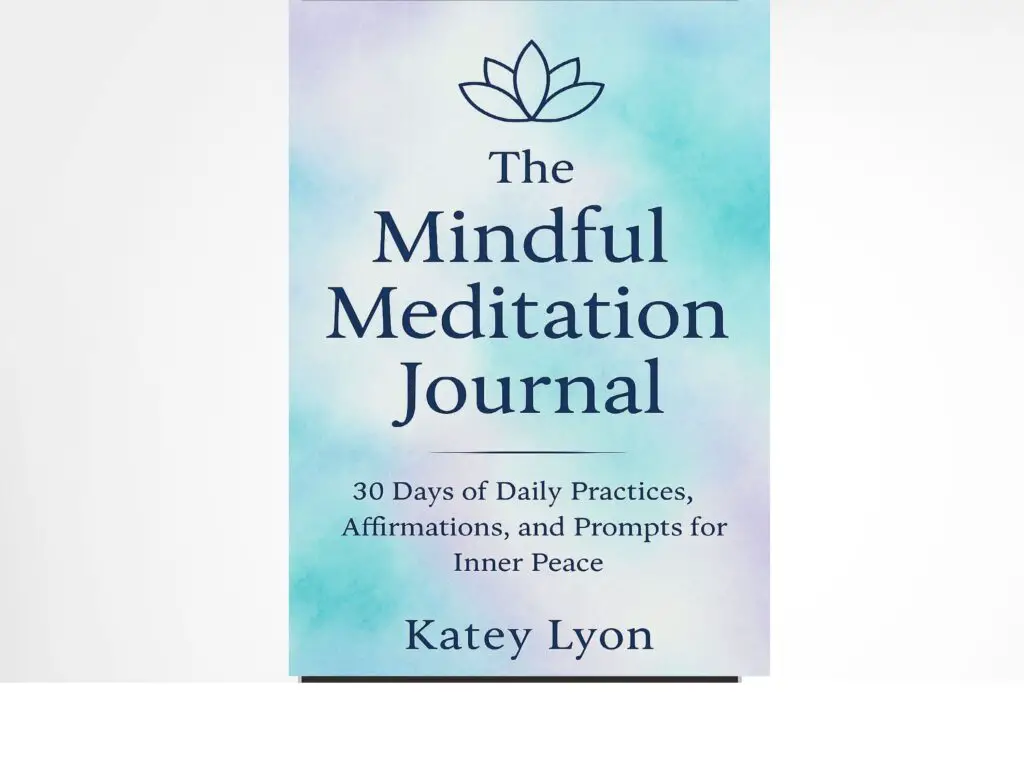
- Recommended tools and resources, including the Mindful Meditation Journal, to support your practice
Whether you’re completely new to mindfulness or looking to expand your routine, this guide will provide you with practical steps to create more balance, calm, and presence in your life.
What Is Mindfulness & Mindful Living?
At its core, mindfulness is the practice of paying attention, on purpose, to the present moment—without judgment. It means noticing your thoughts, emotions, and sensations as they arise, instead of being swept away by them.
Mindful living takes this practice beyond meditation cushions and into everyday life. It’s about bringing awareness and presence into daily routines: eating, walking, working, or even washing dishes. When you live mindfully, you learn to slow down, breathe, and experience life as it unfolds—rather than rushing through on autopilot.
Benefits of Mindful Living (Backed by Science)
Research consistently shows that mindfulness and mindful living practices lead to:
- Reduced stress & anxiety – mindfulness lowers cortisol levels and calms the nervous system.
- Improved focus & productivity – practicing presence helps the mind stay sharp and clear.
- Healthier eating habits – mindful eating reduces emotional eating and improves digestion.
- Emotional resilience – mindfulness strengthens your ability to respond calmly rather than react impulsively.
- Better sleep & relaxation – cultivating awareness helps the body unwind more easily.
These benefits explain why mindfulness is now recommended by therapists, doctors, and wellness coaches around the world.
Short Tips to Start Living Mindfully
You don’t need hours of meditation to bring mindfulness into your day. Start with small, simple steps:
- Breathe with intention: Take 3 slow, deep breaths before answering emails or moving to the next task.
- Pause during meals: Notice flavors, textures, and hunger cues—practice mindful eating.
- Journaling: Spend 5 minutes reflecting on how you feel, what you’re grateful for, or what intention you want to set for the day.
Even small moments of mindfulness can shift your day from rushed and distracted to calm and balanced.
A Simple Way to Begin
One of the easiest ways to build consistency is through journaling. A guided mindfulness journal gives you structure, prompts, and affirmations to help you pause and reflect each day.
👉 Start with the Mindful Meditation Journal — a 30-day companion designed to help you create space for calm, gratitude, and inner peace.
Mindful Eating for Health & Happiness
How Mindful Eating Differs From Dieting
Mindful eating isn’t about strict rules, calorie counting, or following a “perfect” meal plan. Unlike dieting—which often focuses on restriction and external control—mindful eating is about awareness and connection. It invites you to pay attention to the experience of eating: the taste, texture, aroma, and how food makes you feel. Instead of labeling foods as “good” or “bad,” mindful eating teaches you to tune in to your body’s natural hunger and fullness cues, and to enjoy food without guilt or stress.
Simple Mindful Eating Practices
You don’t need to overhaul your diet to eat more mindfully. Start with these simple practices:
- Eat slower: Put down your fork between bites and chew more thoroughly. This gives your body time to register fullness.
- Savor flavors: Notice the taste, texture, and aroma of each bite. Ask yourself: what flavors stand out?
- Check in with hunger/fullness cues: Pause halfway through your meal and ask, “Am I still hungry, or am I satisfied?”
- Eliminate distractions: Turn off the TV and put away your phone so you can focus on your meal.
- Express gratitude: Take a moment before eating to acknowledge where your food came from and how it nourishes you.
These small shifts create a more enjoyable, balanced relationship with food.
Benefits of Mindful Eating
Practicing mindful eating can bring powerful benefits for both physical and emotional health:
- Weight balance: Helps prevent overeating and supports natural weight management without restrictive dieting.
- Better digestion: Eating slowly and with awareness improves digestion and nutrient absorption.
- Emotional eating control: Reduces the tendency to eat out of boredom, stress, or habit.
- Greater enjoyment of food: Meals become more satisfying when you’re fully present.
- Improved relationship with food: Replaces guilt and judgment with curiosity and self-compassion.
Mindful eating is more than a technique—it’s a lifestyle shift that connects your body, mind, and emotions around food.
More Ideas:
- 10 Simple Mindful Eating Practices for Everyday Meals
- Mindful Eating vs. Intuitive Eating: What’s the Difference?
Journaling as a Mindfulness Practice
How Writing Helps with Reflection and Presence
Writing is one of the simplest yet most powerful mindfulness practices. When you put your thoughts onto paper, you slow down the constant flow of the mind and create space to observe what’s really happening inside you. The act of writing makes you pause, breathe, and choose words with intention, which naturally brings you into the present moment. It also provides perspective — seeing your thoughts in front of you often helps you notice patterns, emotions, or beliefs you weren’t fully aware of. Over time, journaling becomes a mirror that reflects your growth and helps you reconnect with yourself.
Benefits of Keeping a Mindfulness or Gratitude Journal
A mindfulness or gratitude journal offers a structured way to deepen your practice:
- Reduces stress: Writing about your experiences helps release tension and clears mental clutter.
- Increases awareness: Journaling trains you to notice the small details of your day — from a calm moment of breathing to the warmth of your morning coffee.
- Strengthens positivity: Gratitude journaling in particular rewires the brain to focus on what’s working well, creating a more hopeful and resilient mindset.
- Supports emotional healing: Expressing feelings through words can help you process difficult emotions in a safe and gentle way.
- Builds consistency: Keeping a journal makes mindfulness a daily habit rather than an occasional practice.
Guided Journals vs. Blank Notebooks
When it comes to journaling, the format you choose can make a big difference:
- Guided journals include prompts, questions, or themes on each page. They’re especially helpful if you’re new to mindfulness journaling or want structure to keep you consistent. Prompts might ask, “What three things are you grateful for today?” or “How did you take care of yourself this week?” Guided journals take away the pressure of “what should I write?” and provide direction.
- Blank notebooks give you complete freedom. They’re ideal if you prefer to write without constraints, draw, create lists, or explore your thoughts in any form. A blank notebook can feel more creative and flexible, but it does require more self-discipline to use regularly.
Many people combine both — starting with a guided journal to build the habit, then moving to a blank notebook once they feel comfortable creating their own flow.
More Ideas:
- “Why Journaling Boosts Your Mindfulness Practice”
- 5 Daily Journal Prompts to Reduce Stress and Anxiety
Daily Mindfulness Practices
Mindfulness doesn’t require hours of silence or a trip to a retreat center. In fact, some of the most effective practices can be done in just a few minutes a day, right where you are. The key is to bring your attention back—again and again—to the present moment.
Short Meditation Techniques
These simple meditation methods can be practiced anywhere, even in just 3–5 minutes:
- Breathing Meditation: Close your eyes, relax your body, and focus on the natural rhythm of your breath. Each inhale and exhale anchors you in the present.
- Loving-Kindness Meditation: Silently repeat phrases like “May I be calm. May I be safe. May I be at peace.” Then extend these wishes to loved ones, acquaintances, and even difficult people.
- Body Scan: Gently shift your attention through each part of your body, from head to toe, noticing areas of tension and releasing them with each exhale.
Non-Meditation Mindfulness Practices
Mindfulness isn’t limited to sitting still—you can weave it into daily life:
- Walking Mindfully: As you walk, pay attention to the sensation of your feet touching the ground and the rhythm of your steps.
- Mindful Chores: Washing dishes, folding laundry, or cooking can become calming rituals when you focus on the movements, textures, and sounds.
- Digital Detox Moments: Take short breaks from your phone or screens. Notice your surroundings, breathe deeply, and simply be.
How 5 Minutes a Day Can Change Your Routine
The beauty of mindfulness is that consistency matters more than duration. Just five minutes a day can:
- Reduce stress and quiet racing thoughts
- Improve focus and productivity
- Cultivate calm before or after a busy day
- Strengthen emotional balance
Over time, these small daily practices compound into a calmer mind, a more relaxed body, and a more centered life.
A Guided Way to Begin
Starting alone can feel overwhelming—but you don’t have to do it without support. The Mindful Meditation Journal is a 30-day guided companion with affirmations, prompts, and reflection pages to help you build a mindfulness habit step by step. Just a few minutes a day with this journal can help you stay consistent and notice real transformation.
More Ideas:
- “7 Easy Mindfulness Practices You Can Do in 5 Minutes”
- “Mindful Morning Routine: Start Your Day With Calm and Clarity”
Self-Care Through Mindfulness
When most people think of self-care, they picture bubble baths, spa days, or treating themselves to something nice. While those can feel good, true self-care goes deeper—it’s about nurturing your mind, body, and spirit in ways that restore balance and resilience. That’s where mindfulness comes in.
Why Mindfulness = Deeper Self-Care
Mindfulness is the foundation of meaningful self-care because it teaches you to listen to yourself. By slowing down and becoming aware of your needs, you begin to notice when you’re tired, when you’re stressed, and when you need to pause. Instead of pushing past your limits, mindfulness helps you honor them.
Self-care becomes less about escape and more about alignment—choosing daily practices that replenish your energy and bring you peace.
Stress Relief, Sleep, and Relaxation Benefits
Mindfulness practices are scientifically proven to:
- Reduce stress and anxiety by calming the nervous system and lowering cortisol levels.
- Improve sleep quality by quieting racing thoughts at night and creating a more restful state of mind.
- Promote relaxation throughout the day by helping you stay grounded, even in challenging moments.
Something as simple as five minutes of breathing meditation before bed, or journaling your thoughts at the end of the day, can shift your body into a state of calm and make self-care a natural part of your routine.
Journals & Meditation as Daily Care
Mindfulness becomes most powerful when it’s woven into your everyday life. Journaling is a gentle way to pause, reflect, and process emotions, while meditation gives your mind the quiet space it needs to recharge. Together, they form a daily self-care ritual that goes beyond surface-level relaxation—it’s lasting nourishment for your mental and emotional health.
If you’re new to meditation, my book Practical Meditation for Beginners: Cultivating Mindfulness, Reducing Stress, and Finding Inner Peace is a step-by-step guide to help you build a practice with confidence. And for those who want a structured way to stay consistent, the Mindful Meditation Journal provides 30 days of affirmations, prompts, and reflections to support your journey.
By combining meditation with mindful journaling, you give yourself one of the most powerful gifts of all: the ability to care for your whole self—mind, body, and spirit—every single day.
More Ideas:
- “Mindfulness for Better Sleep: A Nighttime Routine That Works”
- “The Connection Between Self-Care and Mindful Living”
Resources & Tools
Printable Mindfulness Exercises
The Mindful Meditation Journal
Ready to begin your own mindful living journey? Start with the Mindful Meditation Journal — a 30-day guided companion to help you cultivate calm, gratitude, and inner peace.” Get the Journal on Amazon