
Mediterranean Diet for Beginners: The Complete Guide
If you’ve been looking for a way of eating that’s delicious, sustainable, and scientifically proven to improve your health, the Mediterranean diet is one of the best choices you can make. This guide will introduce you to what the diet is, its health benefits, the foods you’ll eat, and practical tips for getting started — including recipes and a 7-day meal plan.
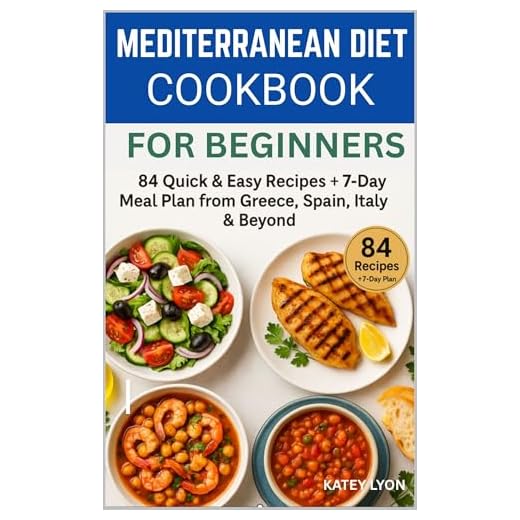
Tip: If you want to dive straight into recipes, check out the Mediterranean Diet Cookbook for Beginners. It has 84 recipes and a 7-day meal plan to get you started.
What is the Mediterranean Diet?
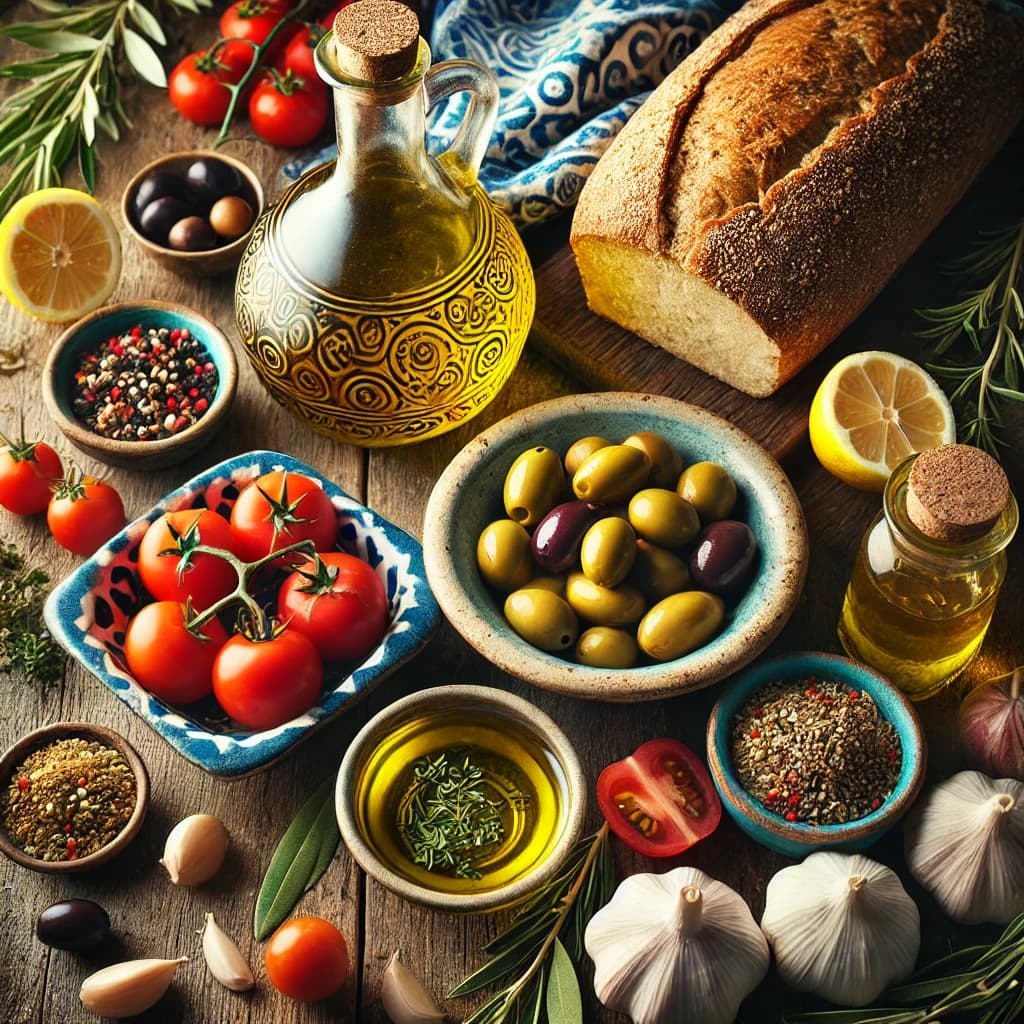
The Mediterranean diet is based on the traditional eating patterns of countries bordering the Mediterranean Sea—including Greece, Italy, and Spain. It’s not a strict set of rules, but a lifestyle centered on fresh, whole foods and a joyful approach to meals.
- Plant-focused: Vegetables, fruits, legumes, nuts, seeds, and whole grains are the base.
- Healthy fats: Especially extra virgin olive oil, nuts, and avocados.
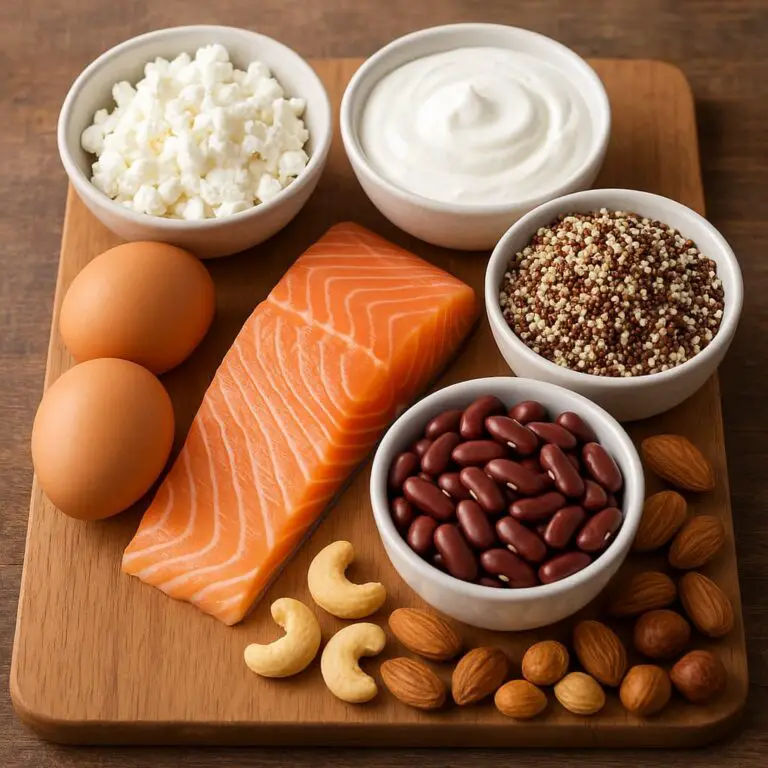
- Lean proteins: Fish, seafood, poultry, and occasional dairy.
- Herbs & spices: Flavor without excess salt or processed additives.
Unlike restrictive diets, the Mediterranean way of eating is balanced, flexible, and enjoyable, making it easy to sustain for a lifetime.
Recognition and Global Popularity
The term “Mediterranean diet” was first coined in the mid-20th century by American physiologist Ancel Keys, who studied the eating habits of people in the Mediterranean region and their correlation to low rates of heart disease. Keys’ research brought global attention to the health benefits of this diet, leading to its rise in popularity worldwide.
In 2010, UNESCO recognized the Mediterranean diet as an Intangible Cultural Heritage of Humanity, highlighting its significance not just as a dietary pattern but as a cultural legacy. Today, it is widely regarded as one of the healthiest ways of eating, supported by extensive research linking it to longevity, reduced risk of chronic diseases, and improved overall well-being.
The Mediterranean diet, with its rich history and cultural depth, remains a timeless and adaptable approach to eating that continues to inspire people around the globe. By embracing its principles, you’re not just adopting a diet—you’re participating in a tradition steeped in history and flavor.
Why the Mediterranean Diet Works (Scientifically Explained)
The Mediterranean diet isn’t just popular because it tastes amazing — it’s supported by decades of high-quality research. Studies consistently show that this way of eating works because it focuses on foods that nourish the body deeply:
High in antioxidants: vegetables, fruits, herbs, and olive oil protect your cells from inflammation.
Balanced blood sugar: whole grains, legumes, and healthy fats help prevent spikes and crashes.
Healthy fats for heart and brain: omega-3 fatty acids from fish support memory, mood, and cardiovascular health.
Naturally low in processed foods: avoids the additives, sugars, and fillers linked to chronic disease.
Gut-friendly: fiber-rich foods feed beneficial gut bacteria for improved digestion and immunity.
Together, these factors make the Mediterranean diet one of the most effective and sustainable eating patterns in the world.
Key Principles of the Mediterranean Diet
Watch this quick Mayo Clinic Minute for a simple explanation of why the Mediterranean diet is considered one of the healthiest in the world.
At its heart, the Mediterranean diet is defined by its focus on natural, wholesome ingredients and a balanced approach to eating. It prioritizes foods that are both nutrient-dense and satisfying, offering health benefits without sacrificing flavor or enjoyment. Here are the core principles for the Mediterranean Cooking For Beginners:
- Plant-Based Foods: The foundation of the Mediterranean diet lies in an abundance of plant-based foods such as vegetables, fruits, whole grains, nuts, seeds, and legumes. These ingredients provide essential vitamins, minerals, antioxidants, and fiber, supporting overall health and well-being.
- Healthy Fats: Unlike many diets that shy away from fats, the Mediterranean diet embraces them—specifically healthy, unsaturated fats. Extra virgin olive oil is the primary fat source, renowned for its heart-protective properties. Nuts, seeds, and avocados also contribute to this healthy fat profile.
- Lean Proteins: While red meat is consumed sparingly, the diet emphasizes lean protein sources like fish, seafood, and poultry. These foods provide high-quality protein, omega-3 fatty acids, and other vital nutrients, supporting muscle health and reducing inflammation.
- The Mediterranean diet is as much about what it includes as it is about moderation. Desserts and processed foods are limited, while meals are often enjoyed slowly and in the company of loved ones—a practice that fosters mindful eating and a deeper connection to food.
What You Can Eat (and What to Limit) on the Mediterranean Diet
Foods to Eat Often
- Vegetables (spinach, tomatoes, peppers, zucchini)
- Fruits (berries, oranges, grapes, figs)
- Extra virgin olive oil
- Whole grains (quinoa, farro, brown rice, oats)
- Legumes (lentils, chickpeas, white beans)
- Fish & seafood (salmon, sardines, tuna, sea bass)
- Nuts & seeds (walnuts, almonds, sesame)
- Fresh herbs & spices
Foods to Enjoy in Moderation
- Poultry
- Eggs
- Yogurt & cheese
- Whole-wheat pasta
Foods to Limit
- Red meat
- Sweets & pastries
- Sugary drinks
- Highly processed foods
- Refined grains
This simple framework makes it easy for beginners to understand exactly how to build Mediterranean-style meals every day.
Mediterranean Diet Grocery List for Beginners
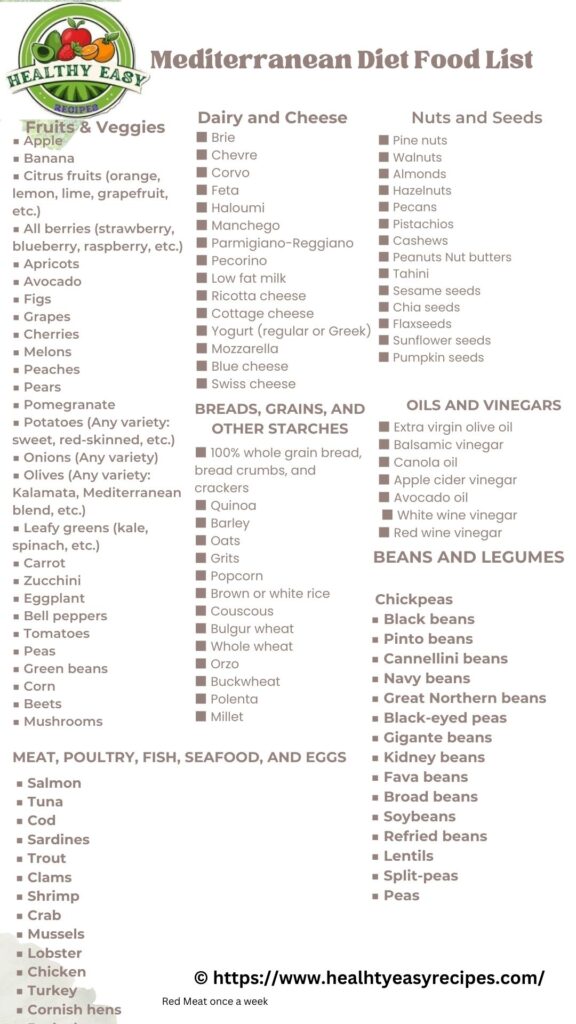
The Mediterranean diet is built on simple, fresh ingredients that are accessible yet full of flavor. These core staples are used in countless dishes, ensuring meals are both nutritious and delicious:
- Vegetables: From leafy greens like spinach and kale to tomatoes, zucchini, eggplant, and bell peppers, vegetables are a cornerstone of Mediterranean meals.
- Fruits: Citrus fruits, berries, figs, and pomegranates add natural sweetness and vital nutrients to the diet.
- Olive Oil: Often referred to as “liquid gold,” extra virgin olive oil is a defining ingredient. It’s used for cooking, dressings, and even drizzled over finished dishes for a burst of flavor.
- Nuts and Seeds: Almonds, walnuts, sesame seeds, and sunflower seeds provide healthy fats, protein, and crunch to many recipes.
- Legumes: Chickpeas, lentils, and beans are versatile, inexpensive sources of plant-based protein and fiber.
- Whole Grains: Staples like quinoa, bulgur, farro, and whole-grain bread form the base of many Mediterranean dishes.
- Fish and Seafood: Salmon, sardines, mackerel, and shellfish are prominent protein sources, valued for their omega-3 fatty acids.
- Poultry: Chicken and turkey are often included as lean protein options, prepared simply to let the flavors of other ingredients shine.
- These ingredients reflect the diet’s emphasis on natural, minimally processed foods, making it easy to prepare meals that are both wholesome and flavorful.
Mediterranean Lifestyle Habits (Beyond Food)
The Mediterranean diet is much more than a list of foods — it’s a lifestyle rooted in balance, connection, and daily wellness habits. Adding these habits to your routine can dramatically enhance the benefits of the diet:
Move Your Body Daily
Mediterranean cultures naturally incorporate movement through walking, gardening, swimming, or cycling. Aim for 30–45 minutes of gentle movement each day.
Prioritize Connection
Meals are meant to be enjoyed slowly, often with family or friends. Eating mindfully improves digestion and satisfaction.
Enjoy Sunlight
Vitamin D plays a major role in immunity, mood regulation, and bone health. Even 10–20 minutes of daily sunlight can make a difference.
Focus on Quality Over Quantity
Mediterranean eating avoids rigid calorie counting. Instead, it prioritizes whole, flavorful foods prepared simply.
Practice Stress Reduction
Meditation, deep breathing, gentle stretching, and gratitude practices all complement the anti-inflammatory nature of the diet.
Together, these habits create a holistic lifestyle that supports long-term health—not just weight loss.
Essential Mediterranean Pantry
Stocking your pantry with Mediterranean essentials is the first step toward embracing this lifestyle. With a few key ingredients on hand, you can create a variety of dishes effortlessly. Some must-haves include:
- Olive Oil: The backbone of Mediterranean cooking, extra virgin olive oil is used for everything from sautéing to dressing salads.
- Herbs and Spices: Fresh herbs like basil, oregano, and parsley, along with dried spices such as za’atar, cumin, and paprika, add depth and aroma to dishes.
- Tahini: A creamy sesame seed paste, tahini is a key ingredient in hummus and other Middle Eastern-inspired dishes.
- Canned Tomatoes: Versatile and convenient, canned tomatoes form the base of sauces, soups, and stews.
- Whole Grains: Keep a variety of grains like quinoa, bulgur, and farro stocked for salads, side dishes, and hearty meals.
- Legumes: Dried or canned chickpeas, lentils, and beans are pantry staples for creating soups, stews, and dips.
- Nuts and Seeds: Almonds, walnuts, and sesame seeds are perfect for snacking, baking, or garnishing salads.
These pantry items form the foundation of Mediterranean cuisine, allowing you to whip up vibrant, flavorful meals with ease. For a more detailed look at the article: “Top 10 Mediterranean Ingredients You Should Always Have in Your Pantry.” and also:”Mediterranean Diet Grocery List: 5 Components“.
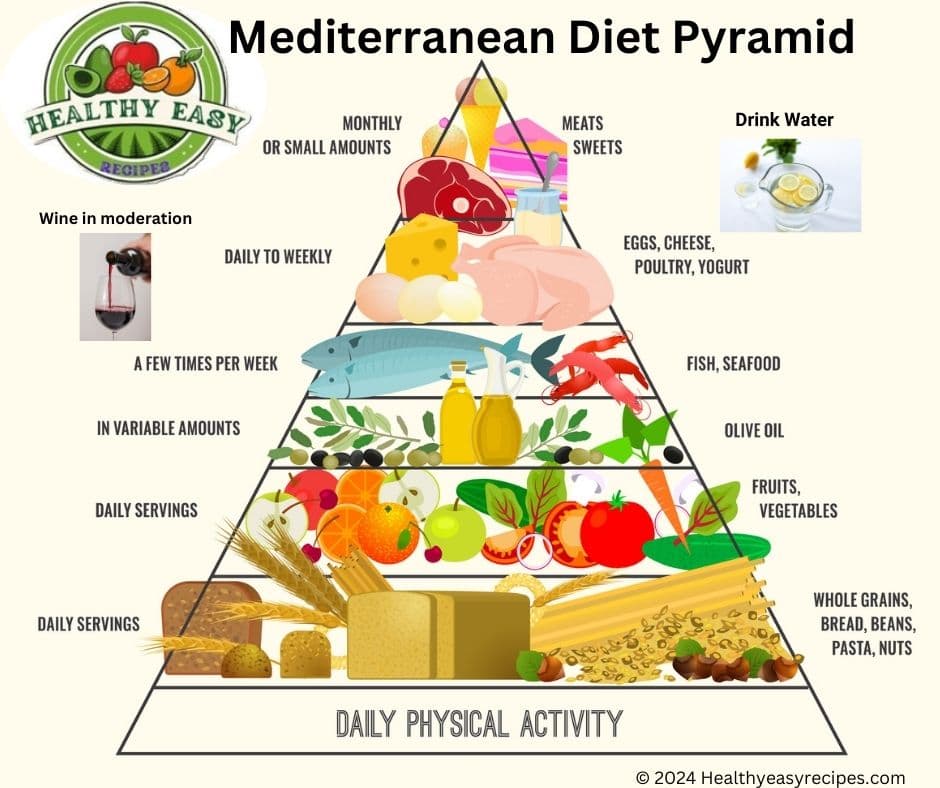
Mediterranean Diet for Beginners Pyramid
Scientific Research on the Mediterranean Diet
The Mediterranean diet has long been hailed as one of the healthiest dietary patterns, and its benefits are backed by decades of scientific research. This diet isn’t just a trend—it’s a proven approach to improving overall health and well-being, thanks to its emphasis on nutrient-rich, minimally processed foods.
Health Benefits of the Mediterranean Diet (Backed by Research)
Want more structure? Grab my Mediterranean Diet Cookbook for Beginners — 84 recipes + a full 7-day meal plan with nutrition facts.
Decades of research confirm that the Mediterranean diet is one of the healthiest ways to eat. Its focus on fresh, whole foods and healthy fats offers powerful, proven benefits:
- Heart health: Lowers risk of cardiovascular disease by improving cholesterol, reducing blood pressure, and protecting arteries.
- Blood sugar control: Whole grains, legumes, and fiber-rich foods support stable blood sugar and help prevent type 2 diabetes.
- Reduced inflammation: Olive oil, fatty fish, nuts, and colorful vegetables provide antioxidants that fight chronic inflammation.
- Longevity & brain health: Linked to longer lifespans, better memory, reduced risk of dementia, and improved mood stability.
Learn more: Mediterranean Diet for Insulin Resistance: A Complete Guide
Common Mistakes Beginners Make (and How to Avoid Them)
Even though the Mediterranean diet is simple, beginners often make these mistakes:
- Eating too much pasta and not enough vegetables.
- Using the wrong oils (vegetable oil instead of extra virgin olive oil).
- Not eating enough fish — aim for 2–3 servings per week.
- Avoiding carbs completely (the diet includes whole grains).
- Focusing only on food and forgetting lifestyle habits like movement, sunlight, and mindful eating.
- Thinking it has to be expensive — staples like beans, rice, canned tuna, and seasonal vegetables are very affordable.
Avoiding these mistakes makes it MUCH easier to stay consistent and see rapid results.
Sample Mediterranean Recipes for Beginners
Building a Balanced Mediterranean Plate
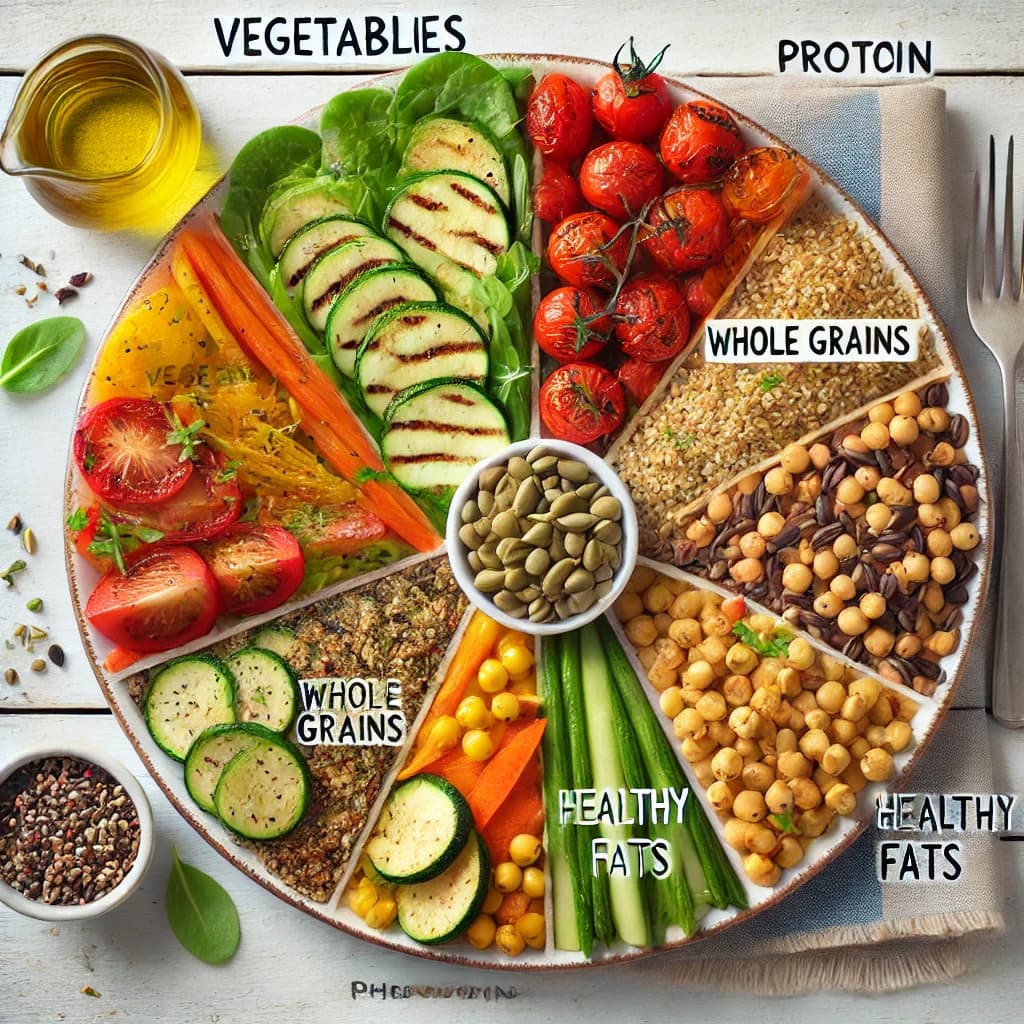
How to Build a Balanced Mediterranean Plate
- ½ plate: vegetables, fruits, and whole grains
- ¼ plate: lean protein (fish, legumes, poultry, or eggs)
- ¼ plate: healthy fats (olive oil, nuts, avocado)
Example: grilled salmon + quinoa salad with cucumber and tomato + olive oil drizzle and walnuts.
For a more detailed look at the article: “How to Create a Mediterranean Mezze Platter for Your Next Party.”
3-Day Mediterranean Kickstart Plan Free
More About the Mediterranean Diet
If you want to explore more Mediterranean recipes, guides, and tips, here are helpful articles:
Free Mediterranean Diet Food List & Meal Plan PDF – Download Now
Easy Mediterranean Diet Recipes You Can Make In Minutes
10 Tempting Mediterranean Diet Lunch: Quick And Easy Recipes
Best 4 Mediterranean Nuts You Should Be Eating
11 Easy Mediterranean Diet Dinner Recipes For Busy People
Wow Your Guests with This Easy & Delicious Mediterranean Mezze Platter
The Role of Olive Oil in Mediterranean Cooking: How to Choose the Best One
Insulin Resistance Diet: How the Mediterranean Lifestyle Balances Blood Sugar (+ 1-Day Meal Plan)
Classic Mediterranean Dishes
Check my article: “Step-by-Step Guide to Making Traditional Hummus“
For a more detailed look at the article: “12 Mediterranean Diet Recipes – for Breakfast, Lunch & Dinner.” , “10 Mediterranean Snacks for Healthy Eating On-the-Go” and “11 Mediterranean Diet Dinner Recipes“. Also “8 Healthy Mediterranean Breakfast Ideas to Start Your Day Right.”
Seafood Specialties
For a more detailed look at the article: “Exploring the Flavors of Mediterranean Seafood: Recipes and Tips.”
Classic Mediterranean Recipes to Try First
If you’re new to this cuisine, start with these easy favorites:
- Greek Salad – cucumbers, tomatoes, feta, olives, olive oil.
- Shakshuka – eggs poached in a spiced tomato sauce.
- Traditional Hummus – chickpeas, tahini, garlic, lemon.
- Mediterranean Baked Sea Bass – with herbs and roasted vegetables.
Is the Mediterranean Diet Affordable?
Many people think the Mediterranean diet requires expensive specialty ingredients, but this is a misconception. In reality, some of the most traditional Mediterranean staples are extremely budget-friendly.
Here’s how to follow the diet without overspending:
- Choose Seasonal Produce: Vegetables and fruits that are in season are fresher, cheaper, and more nutrient-dense.
- Buy Canned or Frozen Seafood: Canned tuna, salmon, sardines, and frozen fish offer the same nutritional benefits at a fraction of the cost.
- Use Legumes as a Protein Source: Beans, lentils, and chickpeas are among the cheapest foods in the world — and they fit perfectly into this diet.
- Opt for Whole Grains in Bulk: Brown rice, oats, quinoa, and farro are affordable, filling, and easy to store.
- Use Olive Oil Strategically: You don’t need a large amount. A single tablespoon adds flavor and healthy fats.
Eating Mediterranean doesn’t require gourmet ingredients — just simple, real food prepared with care.
The Importance of Olive Oil
Olive oil is the cornerstone of the Mediterranean diet, providing healthy fats and antioxidants that support heart health. Extra virgin olive oil (EVOO) is the best choice for everyday use — drizzle it on salads, vegetables, or fish for maximum flavor and nutrition. For cooking, you can also use regular olive oil with a higher smoke point.
For a more detailed look at the article: “The Role of Olive Oil in Mediterranean Cooking and How to Choose the Best One.”
7-Day Mediterranean Diet Meal Plan
Here’s a quick preview:
Day 1
Let me show you a Mediterranean Diet meal plan,

Breakfast:
Almond Banana Pancakes These delicious banana pancakes are a perfect breakfast option, packed with nutritious ingredients and bursting with flavor.
Lunch:
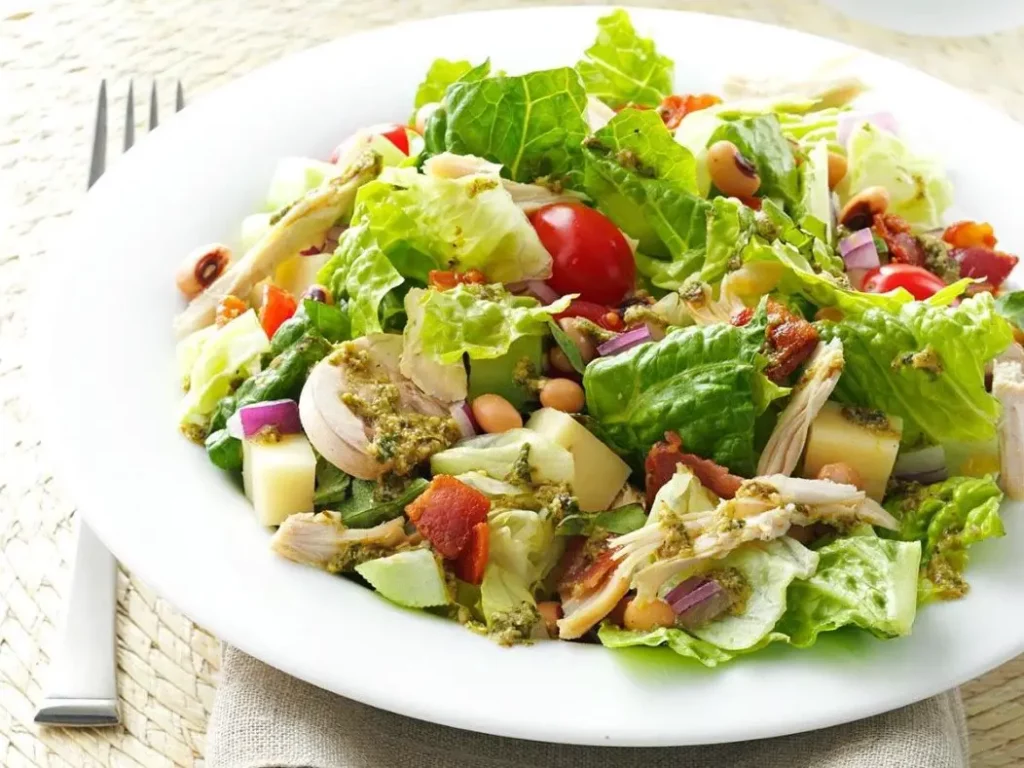
Italian Chicken Salad This Italian Chicken Salad is a vibrant and flavorful dish that combines tender shredded chicken with crisp vegetables, toasted almonds, and a zesty lemon-thyme dressing.
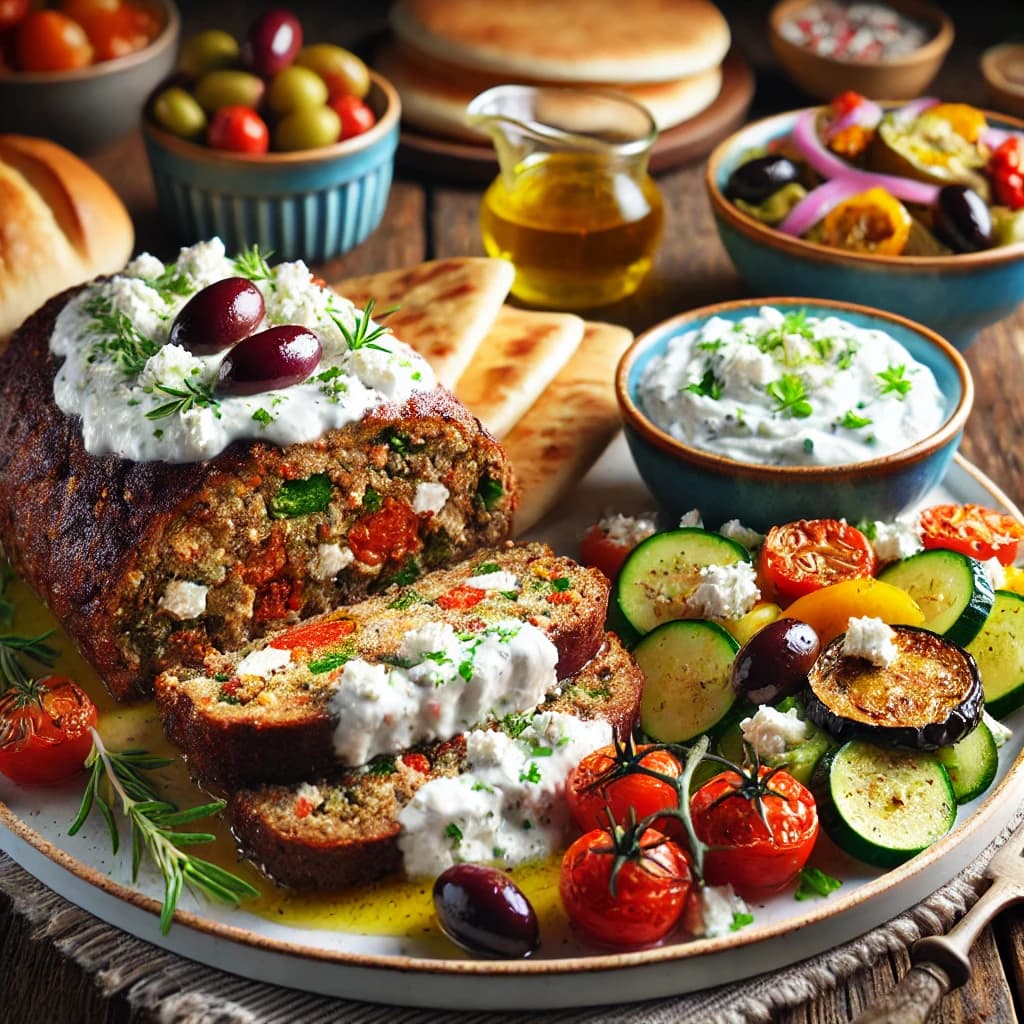
Dinner:
Greek Meatloaf with a side of roasted vegetables. Discover a delicious twist on a classic favorite with our Greek Meatloaf.
Day 2

Breakfast:
Portuguese Almond Breakfast Cake This is a Portuguese Almond Breakfast Cake, known as “Bolo de Amêndoa,”.
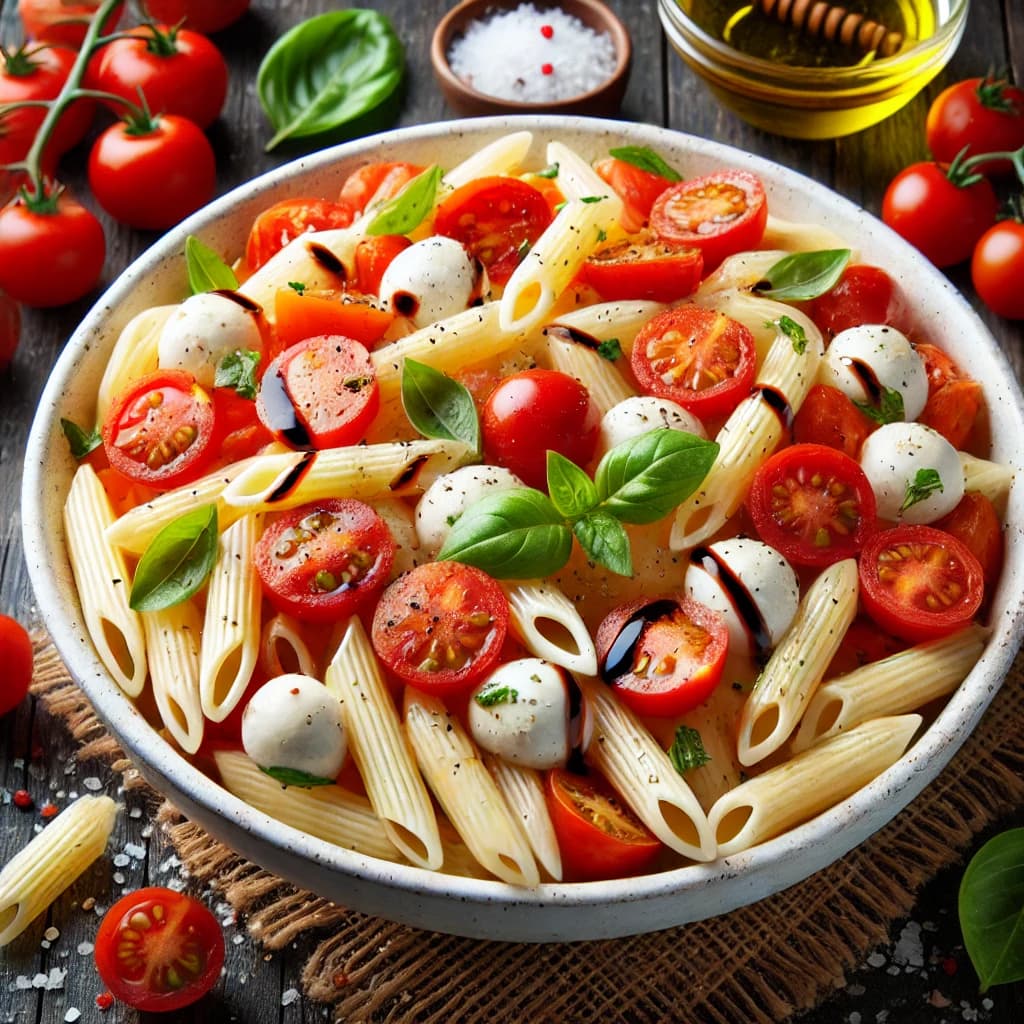
Lunch:
Caprese Pasta Salad The Caprese Pasta Salad is a refreshing and flavorful dish that captures the essence of summer
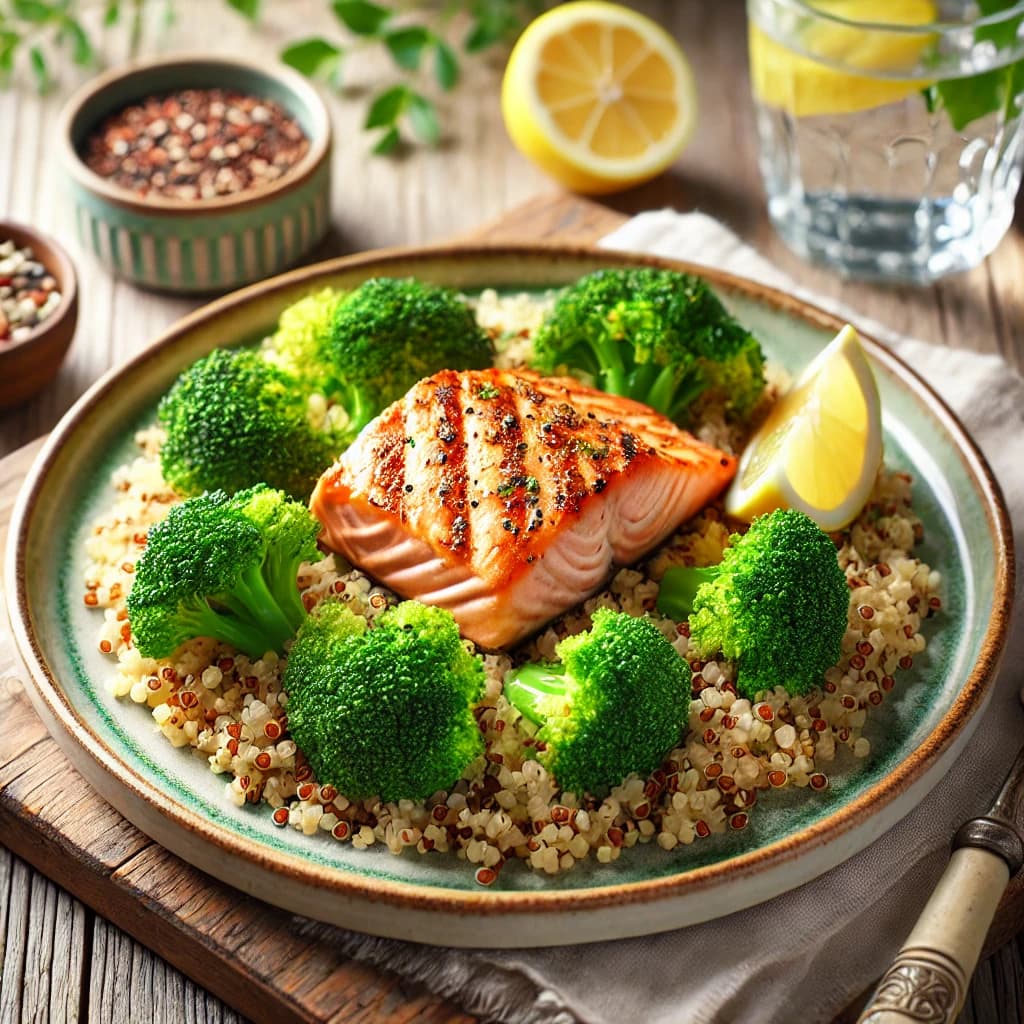
Dinner:
Grilled salmon with quinoa and steamed broccoli The combination of flavors and textures makes it a satisfying choice
Day 3

Breakfast:
Smoked Salmon and Poached Eggs on Toast Perfect for a weekend brunch or a special morning treat
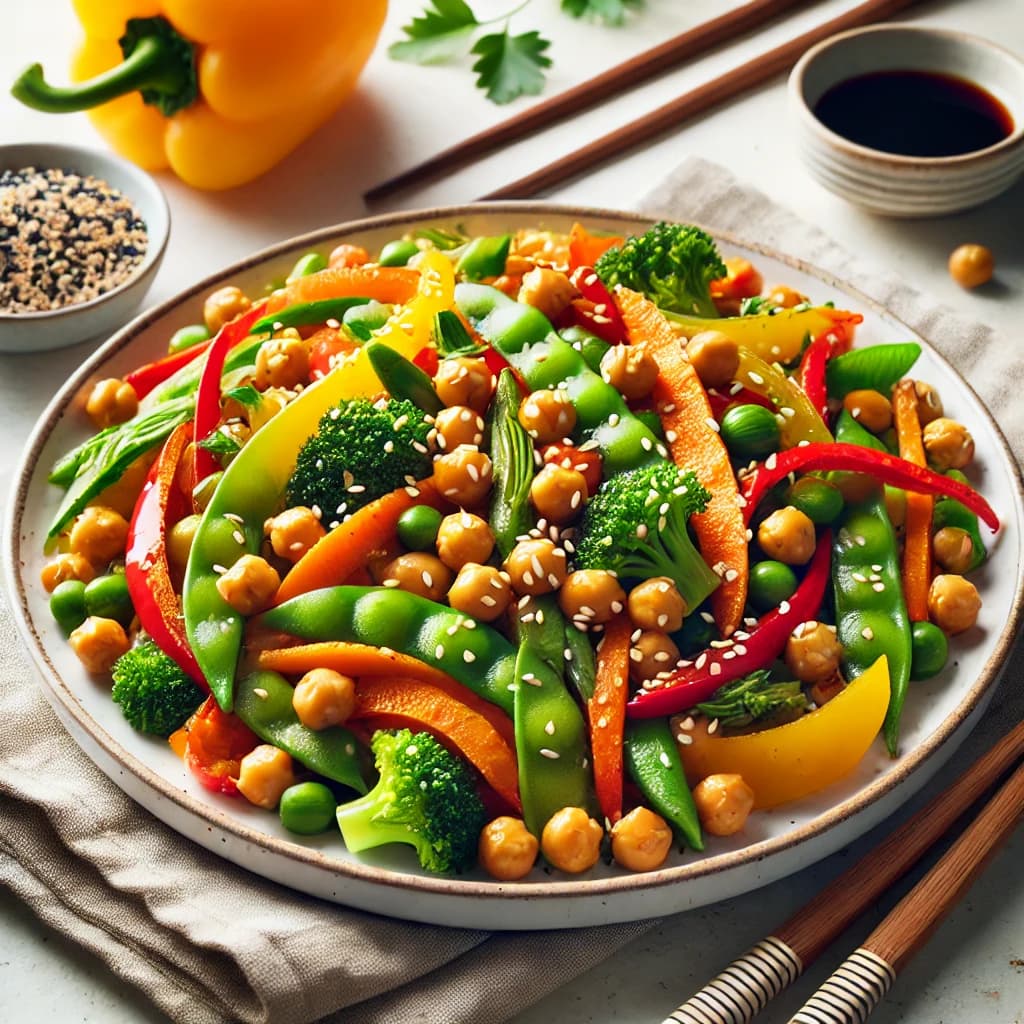
Lunch:
Chickpea and vegetable stir-fry This dish is not only vibrant and colorful but also packed with nutrients

Dinner:
Italian Beef Casserole with a green salad This Italian Beef Casserole is easy to make based on what you’ve got in the fridge/pantry/etc.
Get the full plan: 7-Day Mediterranean Diet Meal Plan for Beginners
FAQs About the Mediterranean Diet
Can beginners follow the Mediterranean diet easily?
Yes — it’s flexible. Start by adding more vegetables, olive oil, and fish.
Is it good for weight loss?
Yes — many people lose weight naturally thanks to high-fiber, nutrient-rich meals.
Do I have to give up meat?
No — poultry, fish, and moderate dairy are included. Red meat is limited.
What’s the difference between Mediterranean and vegan?
Vegan excludes all animal products. The Mediterranean diet is plant-focused but allows fish, poultry, and some dairy.
Mediterranean Diet for Weight Loss
The Mediterranean diet naturally supports weight loss without extreme restrictions or calorie counting. This is why nutrition experts often recommend it as a long-term strategy for achieving and maintaining a healthy body weight.
Why It Works for Weight Loss
High fiber: Fruits, vegetables, legumes, and whole grains keep you full longer.
Healthy fats: Olive oil and nuts reduce sugar cravings.
Balanced blood sugar: Prevents overeating caused by energy crashes.
Whole foods: Naturally lower in calories and more satisfying.
No deprivation: Makes it easy to stick to over time.
Simple Weight-Loss Tips
Build meals with ½ vegetables, ¼ lean protein, ¼ whole grains.
Use olive oil in moderation (1–2 tbsp/day).
Eat fish 2–3 times per week.
Prioritize home-cooked meals.
Limit pastries and refined carbs.
Many beginners notice improvements in digestion, energy, and body composition within just a few weeks.
Start Your Mediterranean Journey Today
You don’t need to change everything overnight — just start by adding one Mediterranean-inspired meal per day.
Want more structure? Grab my Mediterranean Diet Cookbook for Beginners — 84 recipes + a full 7-day meal plan with nutrition facts.