18 Best Anti-Inflammatory Foods (Backed by Science) + Easy Recipes
Discover the 18 best anti-inflammatory foods to reduce pain, support gut health, and lower disease risk. Includes recipes and a free 7-day meal plan. This article will explore the 18 foods with anti-inflammatory benefits that can help you stay healthy and reduce the risk of chronic diseases. Inflammation is a natural immune system response to protect our bodies from infections, injuries, and toxins. However, when inflammation persists for a long time, it can lead to chronic diseases like arthritis, diabetes, and heart disease. The good news is that certain foods can help reduce inflammation in our bodies.
What is Inflammation?
Inflammation is an essential part of the body’s immune response and plays a critical role in the healing process. It is a complex process that involves a series of molecular and cellular events that work together to protect the body from harmful invaders and repair damaged tissue. At the beginning of the inflammatory response, the body releases cytokines and chemokines, which are chemical messengers that attract immune cells to the site of injury or infection. These immune cells then release additional chemicals, such as reactive oxygen species, enzymes, and histamines, to destroy harmful invaders and remove damaged tissue.
While acute inflammation is a necessary part of the body’s healing process, chronic inflammation can have serious consequences for our health. Chronic inflammation can occur when the body’s immune response is continuously activated, even in the absence of injury or infection. This type of inflammation can lead to a range of health problems, including heart disease, diabetes, cancer, and arthritis.
Signs of Inflammation
When you experience acute inflammation, you may notice that the affected area becomes red and swollen and feels warm or hot to the touch. This is because the immune cells and chemicals that are released during the inflammatory response increase blood flow to the area, causing it to become more visibly red and swollen. Additionally, you may feel pain or discomfort in the affected area, which can be caused by the inflammation itself or by the underlying injury or infection that triggered the response. Finally, you may experience a loss of function in the affected area, such as difficulty moving a joint or impaired vision in one eye.
Chronic inflammation, on the other hand, may not have any visible symptoms at first. Over time, however, it can damage organs and tissues, which can contribute to the development of chronic diseases. For example, chronic inflammation in the arteries can cause plaque to build up and increase the risk of heart disease, while chronic inflammation in the joints can lead to arthritis. Other conditions that have been linked to chronic inflammation include diabetes, Alzheimer’s disease, and cancer.
Worst Foods for Inflammation
While many foods have anti-inflammatory benefits, others can increase inflammation and contribute to chronic disease. One of the worst culprits is processed foods, often high in sugar, refined carbohydrates, and unhealthy fats. These foods can cause inflammation by promoting the growth of harmful bacteria in the gut, disrupting insulin and blood sugar levels, and increasing oxidative stress.
Another common offender is refined sugar, found in many processed foods and beverages. Sugar can cause inflammation by triggering the release of inflammatory molecules called cytokines and by increasing oxidative stress in the body. This can lead to a range of health problems, including diabetes, heart disease, and cancer.
Trans fats, found in many processed foods and baked goods, are also known to increase inflammation in the body. They can disrupt normal cell function and increase oxidative stress, leading to chronic inflammation and a range of health problems.
Excessive amounts of saturated fats, found in animal products like red meat and dairy, can also contribute to inflammation in some people. While these fats are an important part of a balanced diet, consuming too much can increase inflammation and contribute to chronic disease.
Related: What is A Typical Anti-Inflammatory Diet?
18 Best Anti-Inflammatory Foods (with Recipes)
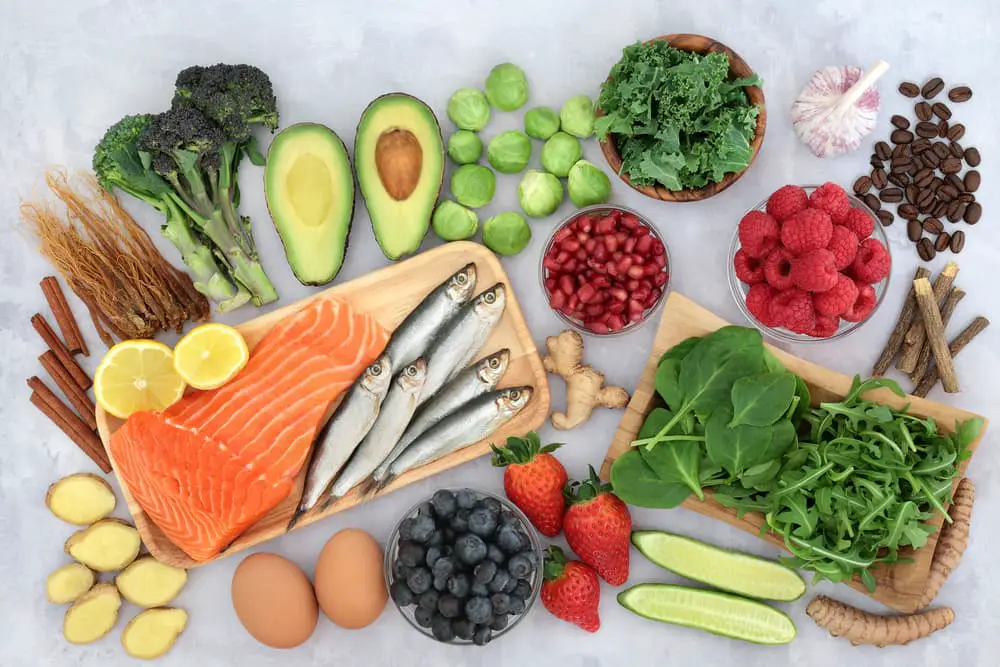
According to Harvard Health, anti-inflammatory foods can reduce chronic disease risk. Foods that fight inflammation
1 – Berries
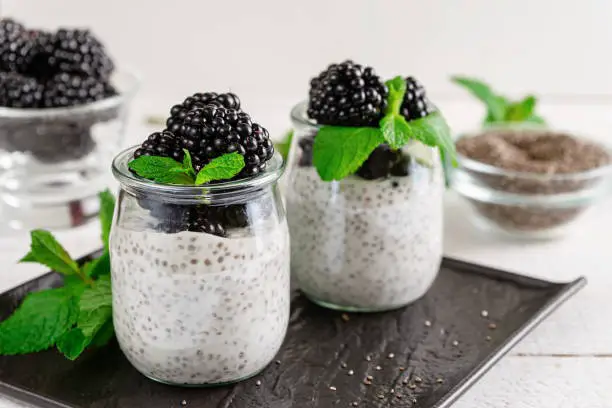
Berries like blueberries, strawberries, raspberries, and blackberries are some of the best foods with anti-inflammatory benefits because they are rich in antioxidants that help reduce inflammation.
Blackberry Chia Pudding
2 – Fatty Fish
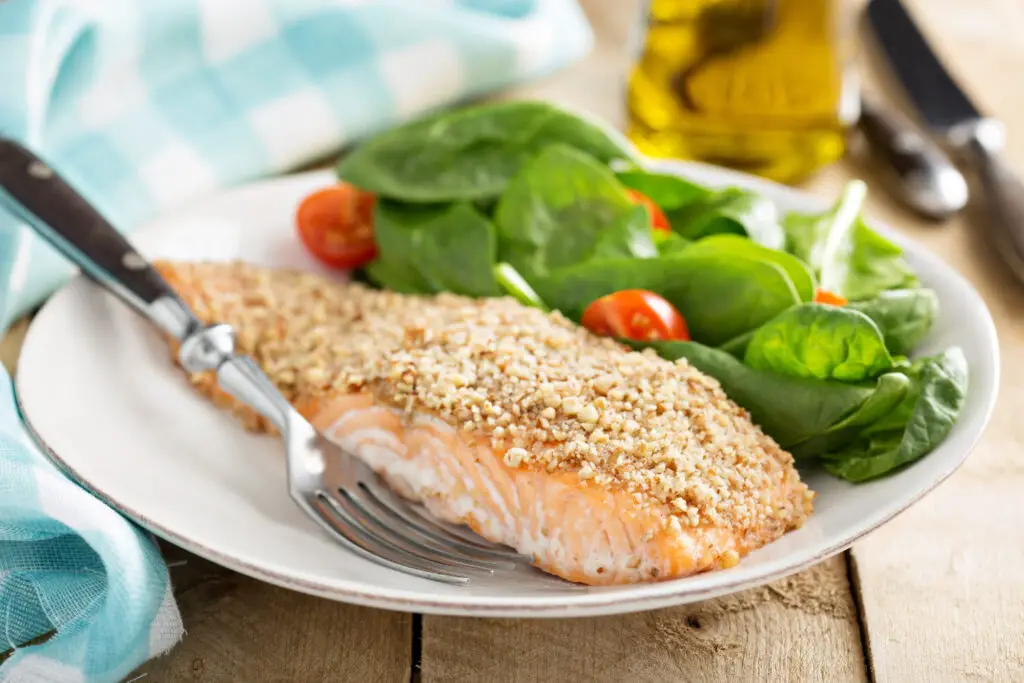
Fatty fish like salmon, mackerel, and sardines are rich in omega-3 fatty acids, which have anti-inflammatory properties. Fatty fish is one of the best foods for an anti-inflammatory diet that you can include in your meals.
Crusted Salmon
3 – Turmeric
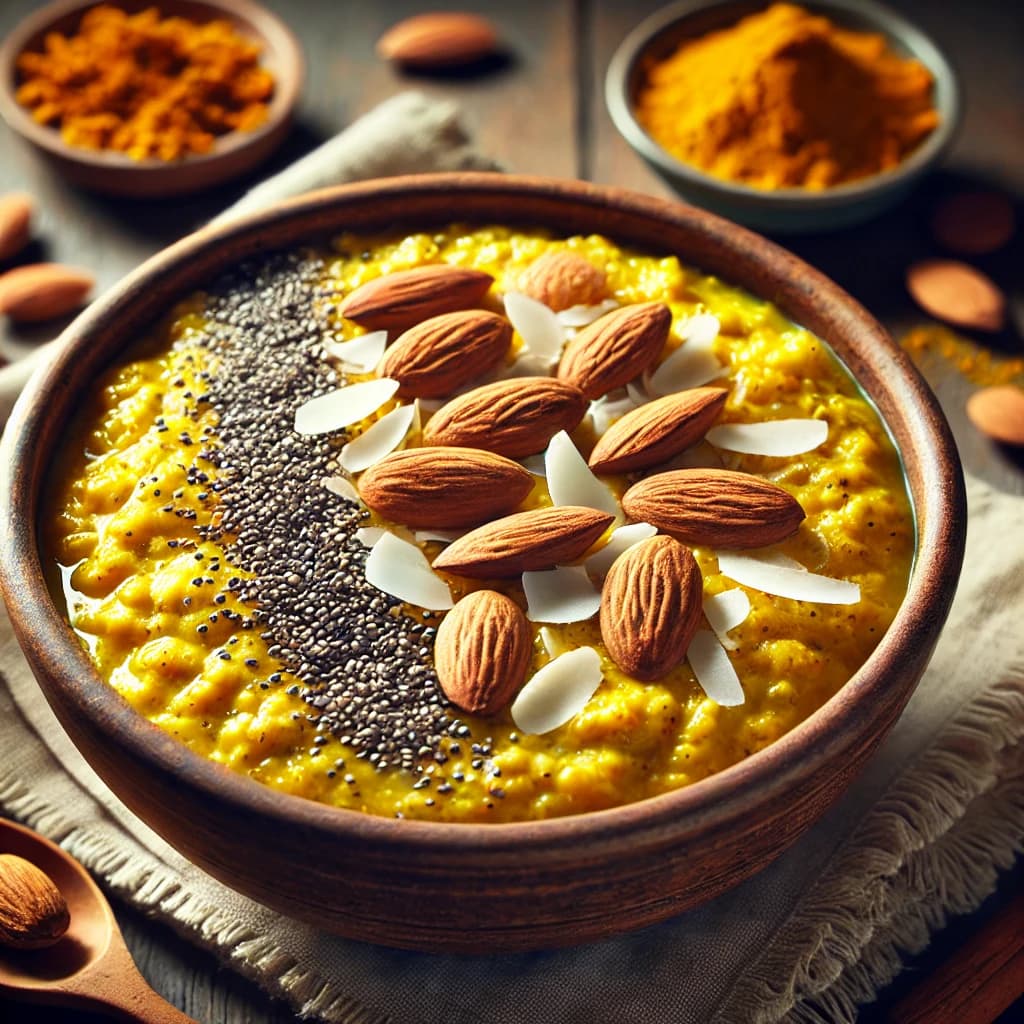
Turmeric is a spice that is considered one of the best foods with anti-inflammatory benefits because it contains curcumin, a compound with potent anti-inflammatory effects.
Breakfast Porridge with Turmeric and Almonds
4 – Leafy Greens
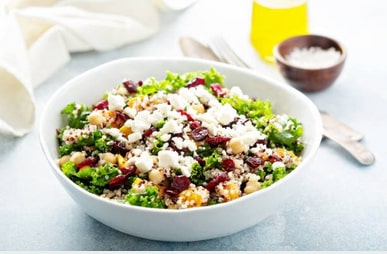
Leafy greens like spinach, kale, and collards are rich in antioxidants and anti-inflammatory compounds.
Kale Quinoa Salad Bowl
5 – Nuts
Almonds, walnuts, and pistachios are rich in healthy fats, fiber, and antioxidants that help reduce inflammation.
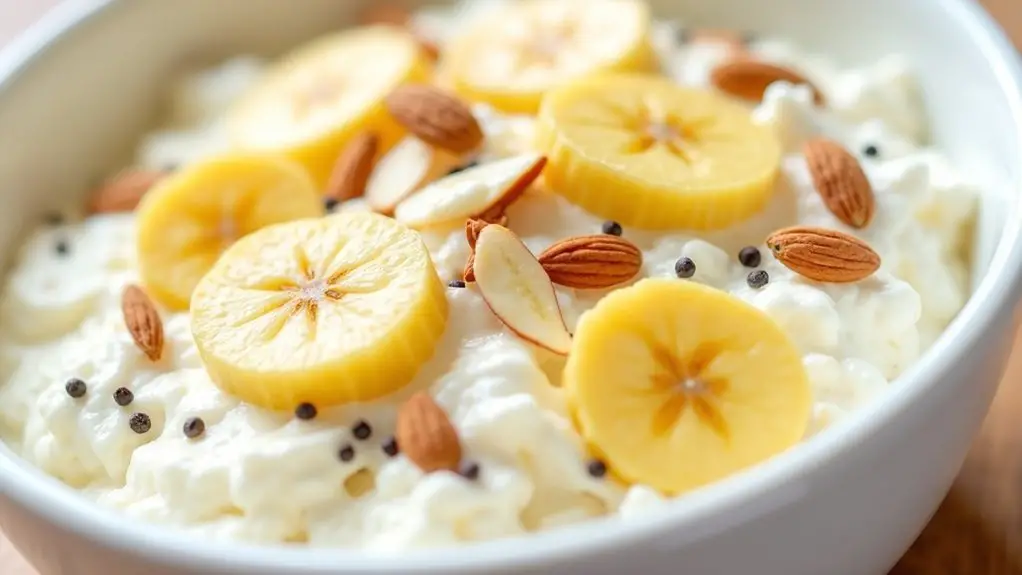
Cottage Cheese Bowl – 1 Cup Cottage Cheese With Sliced Banana, Almonds, and Chia Seeds
6 – Tomatoes
Tomatoes are rich in lycopene, an antioxidant with anti-inflammatory properties.
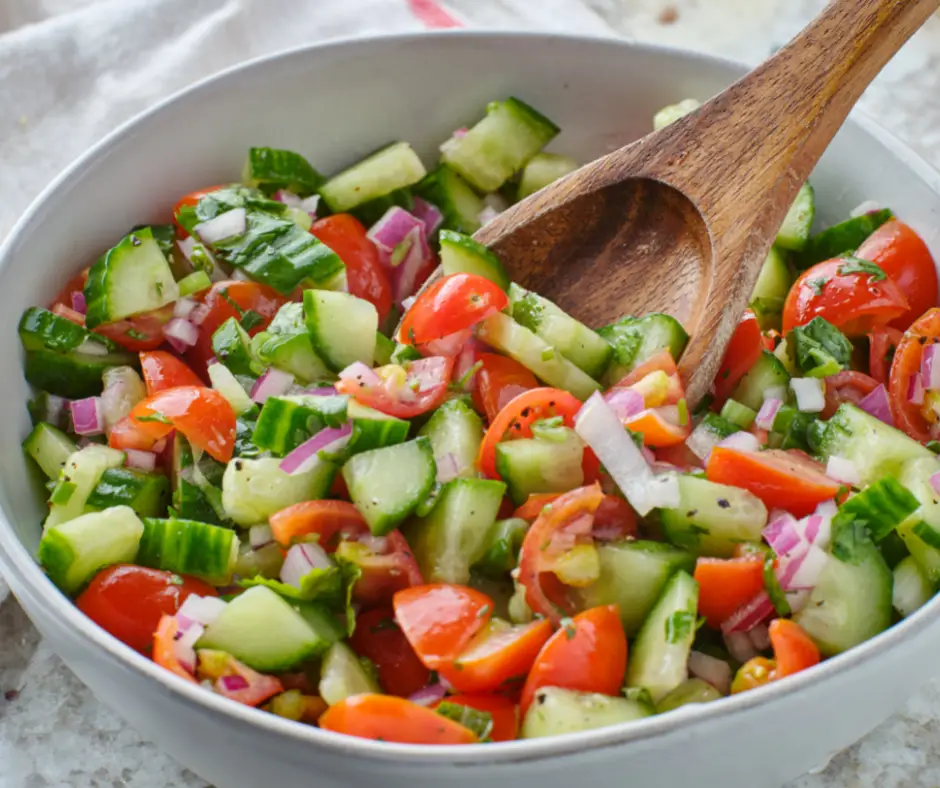
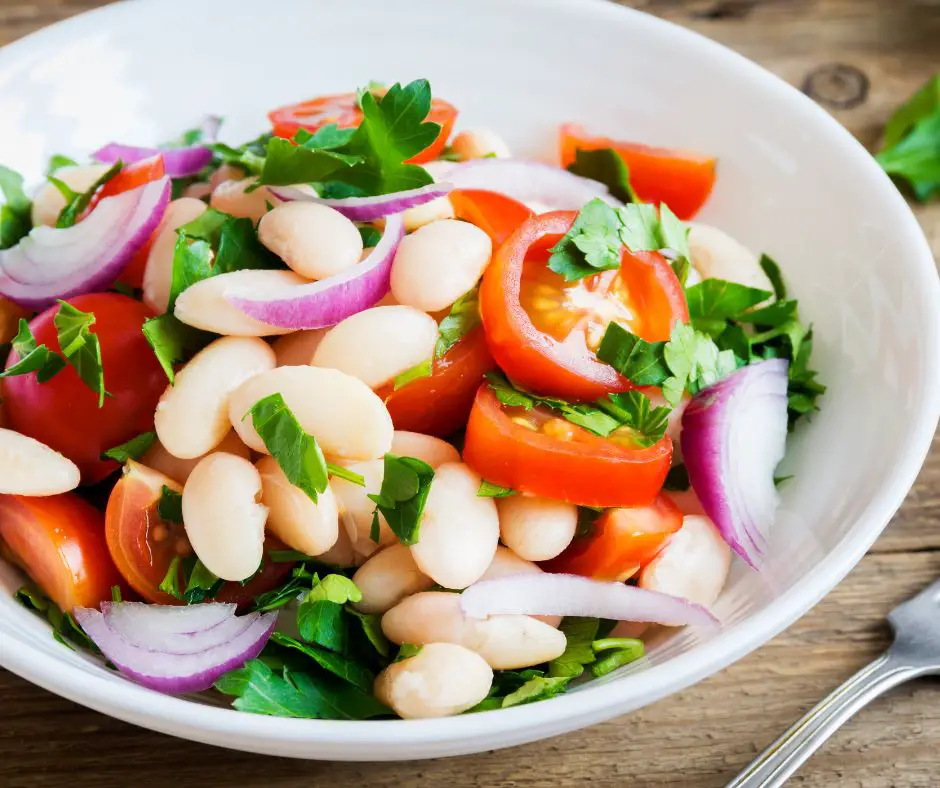
Cannellini Bean Salad
7 – Olive Oil
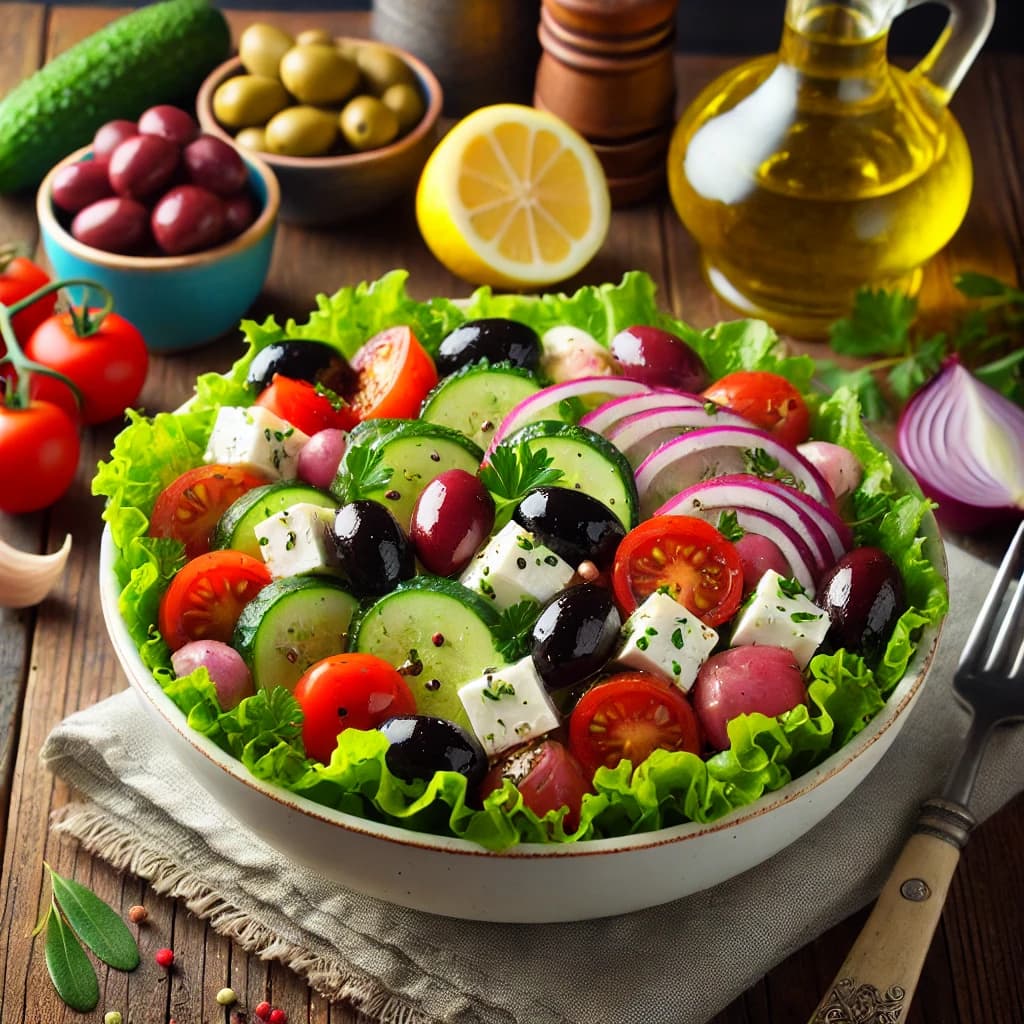
Olive oil is rich in healthy fats and polyphenols that have anti-inflammatory effects.
8 – Green Tea
Green tea contains polyphenols that have anti-inflammatory effects.
9 – Garlic
Garlic contains sulfur compounds that have anti-inflammatory effects.
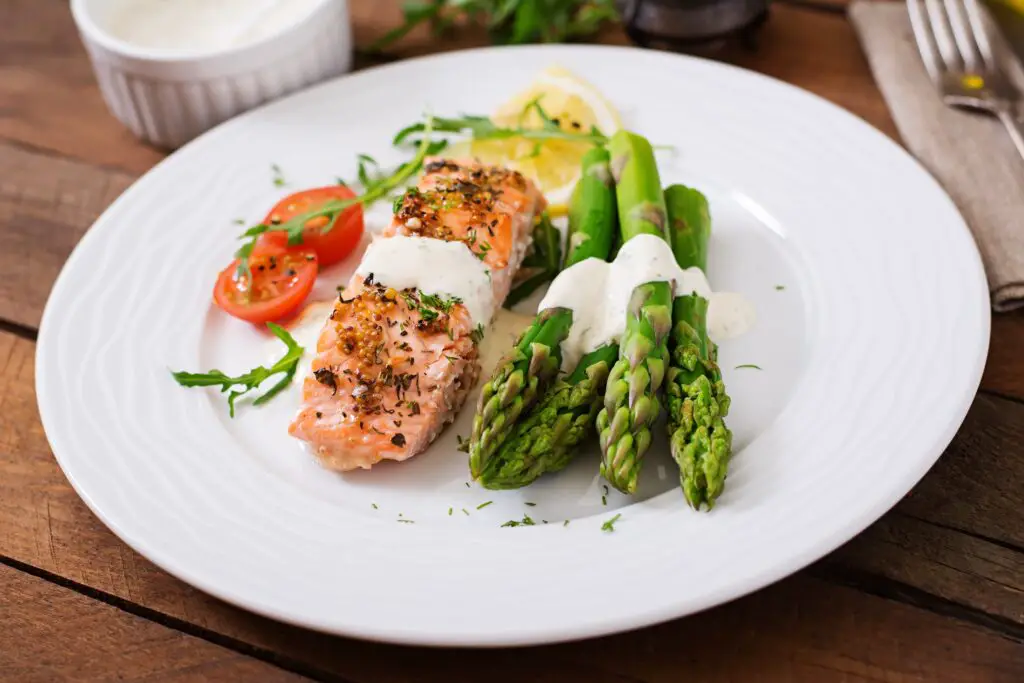
Garlic Butter Baked Salmon
10 – Ginger
Ginger contains gingerols, which have anti-inflammatory properties.
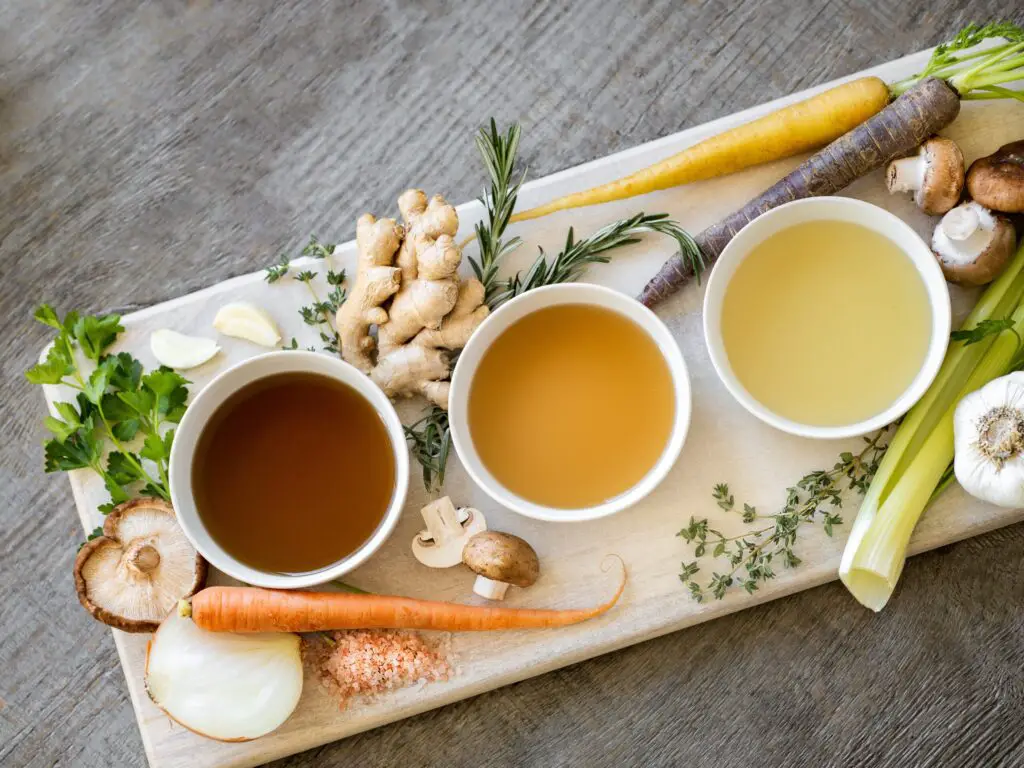
Creamy Carrot and Ginger Soup

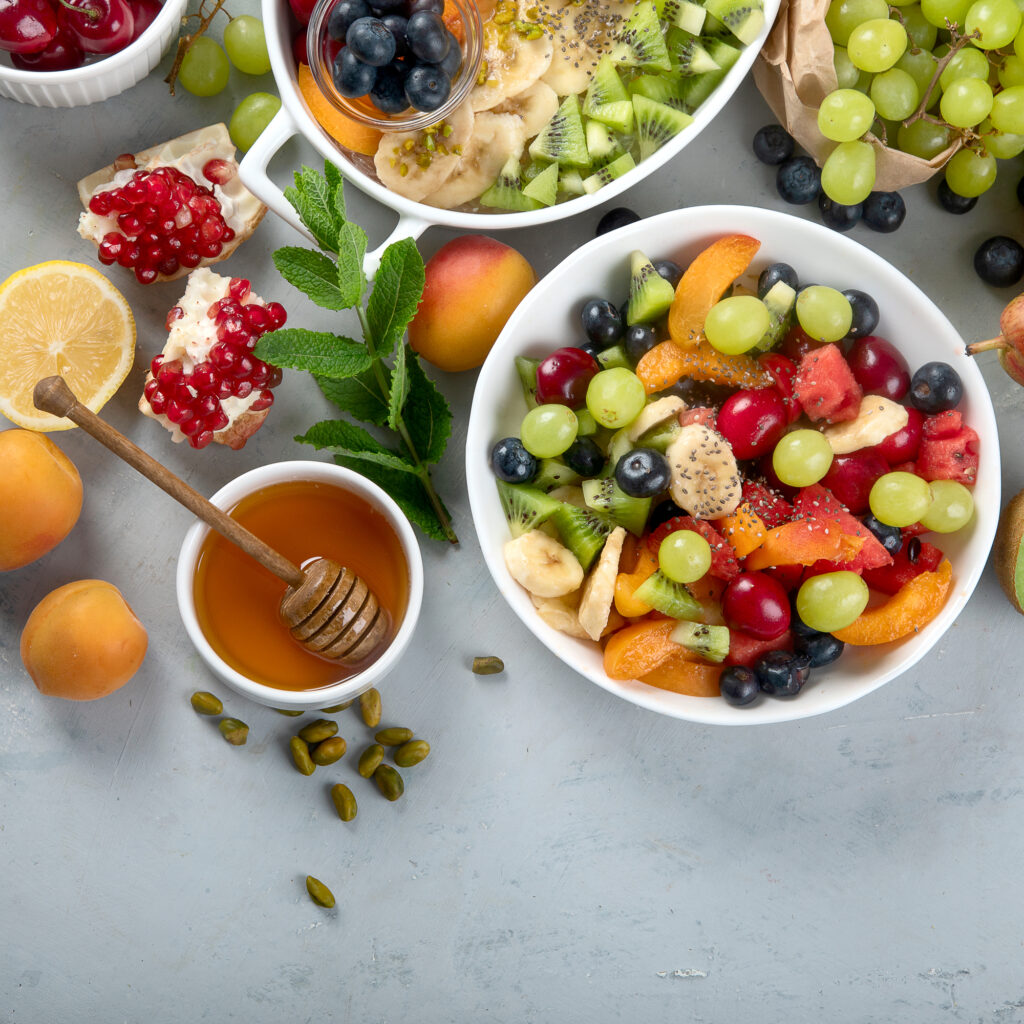
11 – Cherries
Cherries contain anthocyanins, which have anti-inflammatory properties.
Rainbow Fruit Salad
12 – Broccoli
Broccoli contains sulforaphane, a compound with anti-inflammatory properties.
Chicken Broccoli Casserole

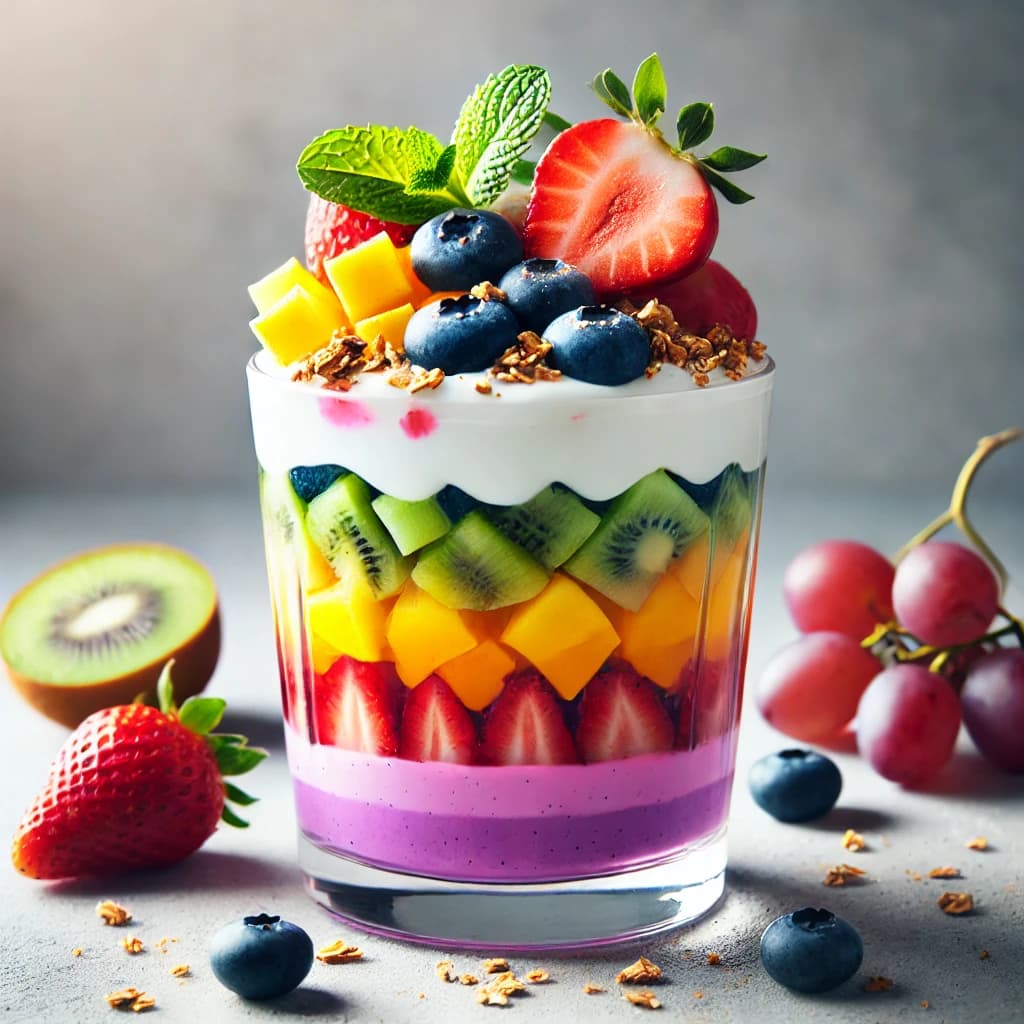
13 – Grapes
Grapes are rich in resveratrol, a compound with anti-inflammatory properties.
Rainbow Fruit Parfait
14 – Avocado
Avocado is rich in healthy fats and antioxidants that help reduce inflammation.
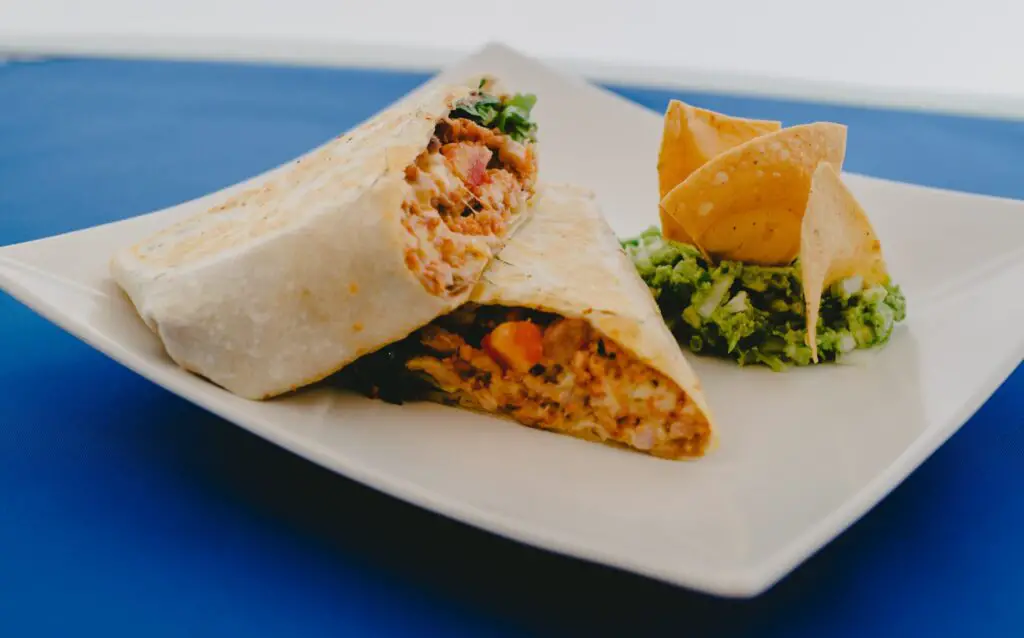
Avocado Boats

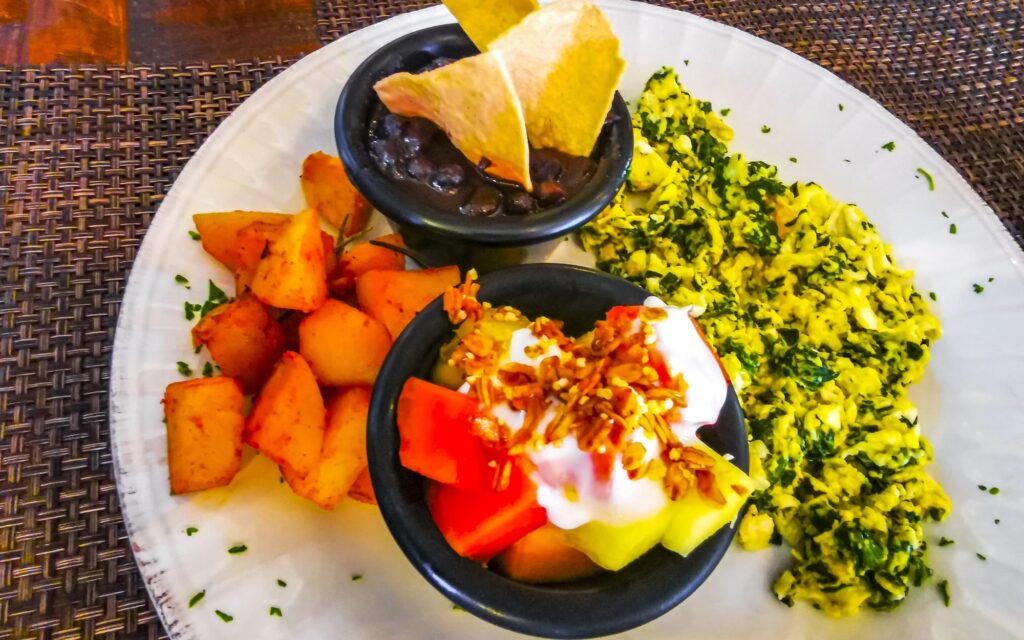
15 – Sweet Potato
Sweet potatoes are rich in fiber, vitamins, and antioxidants that have anti-inflammatory effects.
Sweet Potato And Spinach Scramble
16 – Mushrooms
Mushrooms contain beta-glucans, which have anti-inflammatory properties.
Spinach And Mushroom Frittata

17 – Cinamon
Cinnamon contains cinnamaldehyde, a compound with anti-inflammatory properties.
Easy & Moist Zucchini Cake

18 – Dark Chocolate
Dark chocolate is rich in flavonoids, which have anti-inflammatory effects.
Chocolate Chip Cookies

Want Easy Recipes Using These Foods?
My book, Anti-Inflammatory Diet for Beginners, includes:
- ✅ 75 quick & delicious recipes
- ✅ A complete 7-day meal plan
- ✅ Nutrition facts for every recipe
Grab your copy on Amazon
How to Add Anti-Inflammatory Foods to Your Daily Meals
Knowing the best anti-inflammatory foods is one thing — but the real power comes from incorporating them into everyday meals. You don’t need to overhaul your diet overnight. Start small, and gradually build habits that stick. Here are some simple ways to use these foods daily:
- Breakfast:
- Top Greek yogurt or oatmeal with blueberries, strawberries, or cherries.
- Add a pinch of cinnamon to smoothies, overnight oats, or coffee.
- Try a spinach and mushroom scramble cooked in olive oil.
- Lunch:
- Build a salad with leafy greens, avocado, tomatoes, and grilled salmon.
- Swap refined carbs for quinoa or sweet potatoes as a side.
- Add a handful of nuts or seeds for crunch and extra healthy fats.
- Dinner:
- Make a chicken and broccoli stir-fry with garlic, ginger, and turmeric.
- Roast salmon or mackerel with olive oil, lemon, and fresh herbs.
- Include a side of roasted Brussels sprouts or cauliflower for extra fiber and antioxidants.
- Snacks & Drinks:
- Enjoy a small piece of dark chocolate (70% cacao or higher).
- Brew a cup of green tea in the afternoon.
- Pair hummus with veggies like carrots, celery, or bell peppers.
The key is consistency, not perfection. Even one or two anti-inflammatory swaps a day can reduce inflammation, improve energy, and support long-term health.
What are the top anti-inflammatory foods?
Some of the most effective anti-inflammatory foods include berries, fatty fish (salmon, mackerel, sardines), leafy greens, tomatoes, olive oil, turmeric, ginger, garlic, and nuts. These foods are rich in antioxidants, omega-3 fatty acids, and plant compounds that fight inflammation at the cellular level.
Can anti-inflammatory foods help with weight loss?
Yes — many anti-inflammatory foods are naturally high in fiber and healthy fats, which promote satiety and stabilize blood sugar. For example, avocados, nuts, and whole grains help reduce cravings, while foods like berries and green tea support metabolism. By reducing inflammation, your body can also respond better to insulin, which makes weight management easier.
Which foods should I avoid if I want to reduce inflammation?
Avoid refined sugars, processed meats, fried foods, white bread, pastries, and foods high in trans fats. These trigger inflammatory responses and increase oxidative stress in the body. Limiting sugary drinks like soda and fruit juice is also important.
How quickly can I see results from eating anti-inflammatory foods?
This depends on your current diet and health, but many people notice improvements like better digestion, less joint pain, and more stable energy within a few weeks of consistently eating anti-inflammatory meals. For long-term benefits, consistency is key.
Can I follow an anti-inflammatory diet as a beginner?
Absolutely. The anti-inflammatory diet isn’t restrictive or complicated — it’s about focusing on whole, nutrient-dense foods and reducing ultra-processed items. Beginners can start with simple changes like switching from refined oils to olive oil, adding a serving of vegetables to each meal, or enjoying fatty fish twice a week.
Conclusion
Incorporating these 18 foods with anti-inflammatory benefits into your diet can help reduce inflammation and lower the risk of chronic diseases. It’s best to avoid foods that increase inflammation, such as processed foods, refined sugars, and excessive amounts of saturated and trans fats. Remember that a healthy diet and lifestyle are key to reducing inflammation and maintaining overall health. In addition to eating anti-inflammatory foods, it’s important to exercise regularly, manage stress levels, and get enough sleep.
It’s also worth noting that everyone’s body is different, and what works for one person may not work for another. It’s always a good idea to consult with a healthcare professional or registered dietitian before significantly changing your diet.
By choosing a variety of foods with anti-inflammatory benefits, like whole foods, and avoiding inflammatory processed foods, you can support your body’s natural defense system and reduce the risk of chronic diseases. So enjoy some delicious berries, fatty fish, and leafy greens today!