Plant-Based Meal Plan for a Week (Beginner-Friendly + Easy Recipes)
Thinking about eating more plant-based food, but not sure where to start?
This beginner-friendly plant-based meal plan for a week makes it simple with easy, flavorful recipes for breakfast, lunch, and dinner—no complicated ingredients or advanced cooking skills required.
Table of Contents
This weekly plant-based meal plan is designed to help you enjoy more plant-focused meals at home without spending too much time in the kitchen. You’ll also find simple meal ideas and practical guidance to make healthy eating feel realistic and sustainable.
What is a plant-based diet?
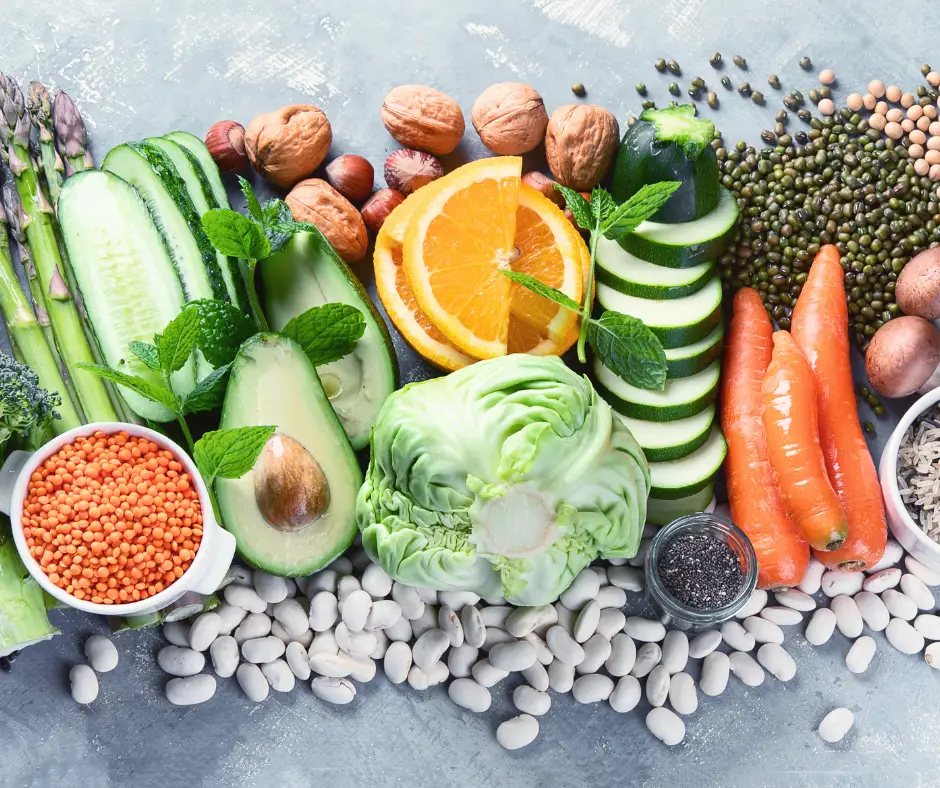
A plant-based diet is precisely what it sounds like. Plant food includes vegetables, fruits, seeds, legumes, nuts, and whole grains.
A plant-based diet isn’t a vegetarian diet; you can eat poultry, hamburgers, eggs, fish, and dairy items, but most of your supplement intake comes from plant-based food sources. There is no set proportion of plant-to-creature food sources on a plant-based diet; A helpful starting point is to fill most of your plate with plant-based foods, while keeping animal products minimal or optional
Watch: Plant-Based Eating Explained for Beginners
New to plant-based eating?
This short beginner video explains the basics of whole-food, plant-based eating and complements the weekly meal plan below.
Related: 10 Plant Based Diet Breakfast
Plant-Based vs Vegan: Key Differences
Although the terms are often used interchangeably, plant-based eating and veganism are not the same.
A plant-based approach focuses on eating mostly foods that come from plants—such as vegetables, fruits, legumes, whole grains, nuts, and seeds. Some people follow a fully plant-based lifestyle, while others allow flexibility depending on personal goals and preferences.
Veganism, on the other hand, is a lifestyle choice that avoids all animal products, including meat, dairy, eggs, and honey. People may choose veganism for ethical, environmental, or health-related reasons.
This weekly meal plan follows a plant-based approach and is designed to help beginners enjoy more plant-forward meals in a practical, realistic way—without strict rules or unnecessary complexity.
List Of Plant-Based Foods
When building a beginner-friendly plant-based meal plan, most meals should focus on whole, minimally processed plant foods. These foods provide the protein, fiber, and nutrients needed to feel satisfied throughout the week.
Below are some key plant-based foods commonly used in weekly meal planning:
Tofu, Tempeh, and Edamame
Soy-based foods are excellent sources of plant protein. Tofu easily absorbs flavor and works well in stir-fries, scrambles, soups, and bowls. Tempeh has a firmer texture, while edamame makes a great addition to salads and grain dishes.
Lentils
Green and red lentils are rich in protein, fiber, iron, and potassium. Cooked lentils provide nearly 9 grams of protein per half cup and are commonly used in soups, curries, stews, and salads.
Chickpeas
Chickpeas offer about 7 grams of protein per half cup and are very versatile. They can be roasted, added to curries, blended into hummus, or used in grain bowls and salads.
Peanuts and Peanut Butter
Peanuts provide protein and healthy fats that help keep meals filling. Peanut butter is easy to include in breakfasts, snacks, and sauces.
Almonds
Almonds contain protein, vitamin E, and healthy fats. They work well in oatmeal, smoothies, and salads.
Chia Seeds
Chia seeds are rich in fiber and omega-3 fatty acids. They are often used in smoothies or soaked to make chia pudding.
Hemp Seeds
Hemp seeds are a complete plant protein, offering about 5 grams per tablespoon. They can be sprinkled over salads, bowls, or plant-based yogurt.
Related: What to eat on a Plant-Based Diet
What Are the Benefits of Choosing a Plant-Based Diet?
Many people choose plant-based eating because it encourages a greater intake of vegetables, fruits, legumes, whole grains, nuts, and seeds—foods that are widely associated with overall wellness.
Some commonly reported benefits of a plant-based approach include:
- Supports heart health by reducing reliance on foods high in saturated fat
- Encourages balanced meals that are naturally rich in fiber
- May support healthy weight management when combined with mindful eating habits
- Helps increase intake of vitamins, minerals, and antioxidants found in plant foods
It’s important to remember that individual results vary, and long-term health depends on overall lifestyle factors, not just diet alone.
What Are The Risks Of Choosing A Plant-Based Diet?
Like any eating pattern, a plant-based diet works best when it is well planned and balanced. While many people thrive on plant-based eating, there are a few considerations beginners should be aware of.
Some nutrients, such as vitamin B12, iron, calcium, and omega-3 fatty acids, may require extra attention when following a mostly plant-based approach. These nutrients can be obtained through fortified foods, careful meal planning, or supplements when appropriate.
Additionally, transitioning to a new way of eating may cause temporary digestive changes, such as bloating, as the body adjusts to increased fiber intake. Making gradual changes and drinking enough water can help ease this transition.
If you have existing health conditions or specific nutritional needs, it’s always a good idea to consult a qualified healthcare professional before making major dietary changes.
Plant-Based Meal Plan for a Week
Day 1
🥣 Breakfast: Blackberry Chia Pudding: Creamy, Healthy & So Easy to Make
🥗 Lunch: Kale Quinoa Salad Bowl How To Make
🍛 Dinner: Easy Vegan Lentil Shepherd’s Pie
Day 2
🥞 Breakfast: Flavorful Tofu Scramble: A Nutritious Plant-Based Breakfast
🥪 Lunch: Hummus with Veggies – Step-by-Step Guide
🥘 Dinner: Chickpea and Vegetable Stir-Fry
Day 3
Breakfast: Oatmeal with fruits
Ingredients:
- 1 cup of rolled oats
- 2 cups of water or almond milk (or your favorite plant-based milk)
- A pinch of salt
- 1-2 tablespoons of sweetener like maple syrup, agave syrup or date syrup (optional)
- Fresh fruits, nuts, and seeds for topping (like sliced banana, blueberries, chopped almonds, chia seeds, etc.)
Instructions:
- Bring the water or almond milk to a boil in a saucepan.
- Stir in the oats and a pinch of salt, then reduce the heat to low.
- Simmer the oats, stirring occasionally, for 10-20 minutes until they are the desired texture. If you like your oatmeal creamier, cook it for longer. If you like it chewier, cook it for less time.
- Stir in your sweetener of choice if using.
- Serve the oatmeal in bowls and top with banana slices.
This recipe serves 2 and can be easily adjusted for more servings. Enjoy!
🥗 Lunch: Red lentils soup with Whole-Grain Bread
🥘 Dinner: Quick & Flavorful Vegetable Fried Rice – So Easy to Make
Day 4
🥑 Breakfast: The Ultimate Almond & Avocado Omelet: A Flavorful, Healthy Breakfast
🥙 Lunch: The Ultimate Rainbow Quinoa Salad – A Colorful, Nutrient-Packed Delight
🍛 Dinner: Zucchini Pizza Recipe: Easy And Delicious Know it History
Day 5
🥣 Breakfast: Sweet Potato And Spinach Scramble
🥗 Lunch: Mediterranean Vegetable Soup Recipe
🥘 Dinner: Chickpea Bowl
Day 6
🍳 Breakfast: The Ultimate Mediterranean Avocado Toast Recipe You’ll Want Every Morning!
🥗 Lunch: Best Traditional Greek Rice Stuffing Easy And Delicious Gemista Yemista
🥘 Dinner: Vegetable and Bean Soup with Whole-grain Bread
Day 7
🥞 Breakfast: Berry Chia Pudding
🥪 Lunch: Zucchini Lasagna
🍛 Dinner: Best Rainbow Pizza Recipe: Easy & Delicious With Cauliflower Crust
Check 10 Easy & Fantastic Plant-Based Breakfast Ideas To Fuel You Up
Always consult with a healthcare professional before making any significant changes to your diet.
Looking for a more structured plant-based plan?
If you want a longer, step-by-step approach with additional recipes and nutrition details, this beginner-friendly plant-based cookbook may be a helpful resource.

Frequently Asked Questions
Is a 7-day plant-based meal plan healthy?
Yes. A 7-day plant-based meal plan can be healthy when it includes a variety of whole foods such as vegetables, fruits, legumes, nuts, seeds, and whole grains. These foods provide fiber, protein, vitamins, and minerals. For long-term plant-based eating, it’s helpful to pay attention to nutrients such as vitamin B12, iron, and calcium.
Can I get enough protein on a plant-based diet?
Absolutely. Plant-based foods such as lentils, chickpeas, tofu, tempeh, edamame, quinoa, and hemp seeds are excellent sources of protein. When eaten throughout the day, they can help support overall protein needs.
Is it expensive to follow a plant-based meal plan?
Not necessarily. Many plant-based staples such as beans, lentils, rice, oats, and seasonal vegetables are affordable and widely available. Buying in bulk and preparing meals at home can help keep costs low, while specialty products are optional rather than required.
Is this meal plan suitable for beginners?
Yes. This weekly plant-based meal plan is designed specifically for beginners and focuses on simple recipes, familiar ingredients, and easy meal preparation.


