
7-Day Anti-Inflammatory Meal Plan (Easy Recipes to Reduce Inflammation Naturally)
In This Article
Looking for a simple way to calm inflammation, boost your energy, and support long-term health? A 7-day anti-inflammatory meal plan is one of the best places to start. Chronic inflammation has been linked to joint pain, fatigue, digestive issues, and serious conditions like heart disease and diabetes. But the good news is that what you put on your plate each day can make a big difference.
This guide gives you a complete week of balanced meals — packed with omega-3-rich fish, colorful vegetables, fiber-filled whole grains, and healing spices like turmeric and ginger. Each day is designed to stabilize blood sugar, reduce inflammation naturally, and leave you feeling energized.
Whether you’re new to the anti-inflammatory diet or looking for fresh recipe ideas, this plan provides a practical, beginner-friendly way to eat delicious food while supporting your health.
What Is the Anti-Inflammatory Diet?
The anti-inflammatory diet is not a “quick fix” but a long-term approach to eating that helps calm chronic inflammation in the body. Instead of restricting calories or cutting out entire food groups, it emphasizes nutrient-rich, whole foods that provide antioxidants, healthy fats, and fiber. At the same time, it limits processed foods, refined sugars, and unhealthy fats that can trigger inflammatory pathways. By following this way of eating, you create a foundation for healing, better energy, and overall health.
To get a quick overview from a trusted medical source, watch this short video from the Cleveland Clinic, where experts explain the main benefits of an anti-inflammatory diet:
Health Benefits of an Anti-Inflammatory Meal Plan
Following a 7-day anti-inflammatory meal plan doesn’t just make your meals healthier — it helps your body heal from the inside out. Research shows that eating anti-inflammatory foods can:
- Reduce Joint Pain & Stiffness
Omega-3 rich foods like salmon and walnuts calm inflammatory compounds that trigger arthritis pain. - Improve Digestion & Gut Health
Fiber from oats, leafy greens, and legumes nourishes healthy gut bacteria and reduces bloating. - Boost Energy Levels
Whole grains and balanced meals stabilize blood sugar, preventing the highs and crashes from processed foods. - Support Heart Health
Olive oil, nuts, and leafy greens lower cholesterol and blood pressure, reducing the risk of heart disease. - Protect Against Chronic Disease
Antioxidant-rich foods like berries, turmeric, and green tea lower long-term inflammation linked to diabetes, Alzheimer’s, and cancer.
In just one week, you may notice more energy, less bloating, and improved mood. Over time, this way of eating becomes a powerful lifestyle shift that supports long-term health.
Foods to Eat vs. Foods to Avoid
A balanced anti-inflammatory diet is about choosing more of the right foods and cutting back on those that trigger inflammation.
| Foods to Eat | Why They Help | Foods to Limit/Avoid | Why They Harm |
| Berries, cherries, oranges | Packed with antioxidants & vitamin C | Soda, candy, pastries | High sugar spikes blood sugar & increases inflammation |
| Salmon, sardines, mackerel | Omega-3 fatty acids reduce joint pain & inflammation | Processed meats (bacon, hot dogs) | Contain preservatives & compounds that raise inflammatory markers |
| Olive oil, avocado, nuts | Healthy fats lower CRP (inflammatory marker) | Fried foods, trans fats | Promote oxidative stress & chronic inflammation |
| Whole grains (quinoa, oats, brown rice) | Fiber stabilizes blood sugar & feeds gut bacteria | White bread, pasta | Stripped of nutrients, spike glucose quickly |
| Leafy greens (kale, spinach, broccoli) | Rich in phytonutrients that protect cells | Processed snacks & fast food | Loaded with additives, sodium & unhealthy oils |
Why Follow a 7-Day Anti-Inflammatory Meal Plan?
Knowing what to eat is one thing — but following a structured meal plan helps you put it into action. A 7-day plan provides a clear roadmap so you can enjoy the benefits of anti-inflammatory eating without confusion or overwhelm.
Reset Your Body in One Week
One week of anti-inflammatory meals is enough to feel a noticeable difference. Many people report reduced bloating, improved digestion, and more consistent energy after just a few days. By cutting out processed foods and replacing them with nutrient-rich options, you give your body a reset — helping to lower inflammation and restore balance.
Prevent Sugar Spikes & Inflammation
One of the biggest triggers of chronic inflammation is unstable blood sugar. Eating refined carbs and sugary snacks leads to spikes and crashes, which create oxidative stress. A structured 7-day plan keeps meals balanced with protein, fiber, and healthy fats — helping to stabilize glucose levels and reduce the inflammatory response.
Easy Prep with Familiar Ingredients
You don’t need exotic superfoods or complicated recipes to eat anti-inflammatically. This meal plan uses everyday ingredients you can find at any grocery store — oats, salmon, berries, leafy greens, olive oil, and chicken. With a little batch cooking and smart prep, you’ll have flavorful meals ready to go, making it easy to stay consistent.
Btives will determine your best diet. Now, let’s begin with the anti-inflammatory diet meal plan.
7-Day Anti-Inflammatory Meal Plan (Breakfast, Lunch, Dinner + Snacks)

Complete 7-Day Anti-Inflammatory Meal Plan with Calories
| Day | Breakfast | Lunch | Dinner | Snacks | Calories (Approx.) |
|---|---|---|---|---|---|
| Day 1 | Greek Yogurt with Berries | Grilled Chicken + Quinoa + Veggies | Baked Salmon + Sweet Potato + Green Beans | Apple + Almond Butter, Hummus + Veggies | 1600 |
| Day 2 | Oatmeal with Blueberries & Walnuts | Spinach Salad with Chicken & Avocado | Turkey Chili + Brown Rice | Banana + Cashew Butter, Mixed Nuts | 1700 |
| Day 3 | Smoked Salmon & Poached Eggs on Toast | Grilled Tofu + Quinoa + Roasted Veggies | Shrimp + Zucchini Noodles + Tomato Sauce | Yogurt + Peaches, Edamame | 1550 |
| Day 4 | Green Smoothie (Spinach, Banana, Almond Milk) | Roasted Veggie & Hummus Wrap | Grilled Chicken + Sweet Potato + Broccoli | Apple + Almond Butter, Berries + Cream | 1550 |
| Day 5 | Greek Yogurt with Berries | Grilled Salmon + Quinoa + Veggies | Turkey Burger + Sweet Potato Fries + Coleslaw | Carrot Sticks + Hummus, Mixed Nuts | 1650 |
| Day 6 | Avocado Toast + Scrambled Eggs | Spinach Salad with Chicken & Strawberries | Baked Cod + Brown Rice + Green Beans | Banana + Cashew Butter, Edamame | 1600 |
| Day 7 | Berry Chia Pudding | Grilled Chicken + Quinoa + Roasted Veggies | Turkey Meatballs + Spaghetti Squash + Tomato Sauce | Banana + Cashew Butter, Edamame | 1700 |
Below is a full week’s worth of nourishing meals based on anti-inflammatory principles. You’ll find in this anti-inflammatory meal plan omega-3-rich foods, high-antioxidant vegetables, fiber-packed grains, and healing herbs and spices.
Each day of the anti-inflammatory meal plan includes:
- Breakfast
- Lunch
- Dinner
- Optional snack ideas. Related Post: 14 Anti-Inflammatory Snacks Recipes: The Best To Relieve Inflammation
Pantry Prep: What to Buy Before You Start the Anti-Inflammatory Meal Plan
Before starting the anti-inflammatory meal plan, take a look at our anti-inflammatory pantry list so you’re fully prepared.
Related Post: How to Build a Nourishing Anti-Inflammatory Pantry
Day 1:
- Breakfast: Greek Yogurt With Berries (300 calories)
- Snack: Apple slices with almond butter (200 calories)
- Lunch: Grilled chicken breast with quinoa and roasted vegetables (500 calories)
- Snack: Hummus with Veggies (150 calories)
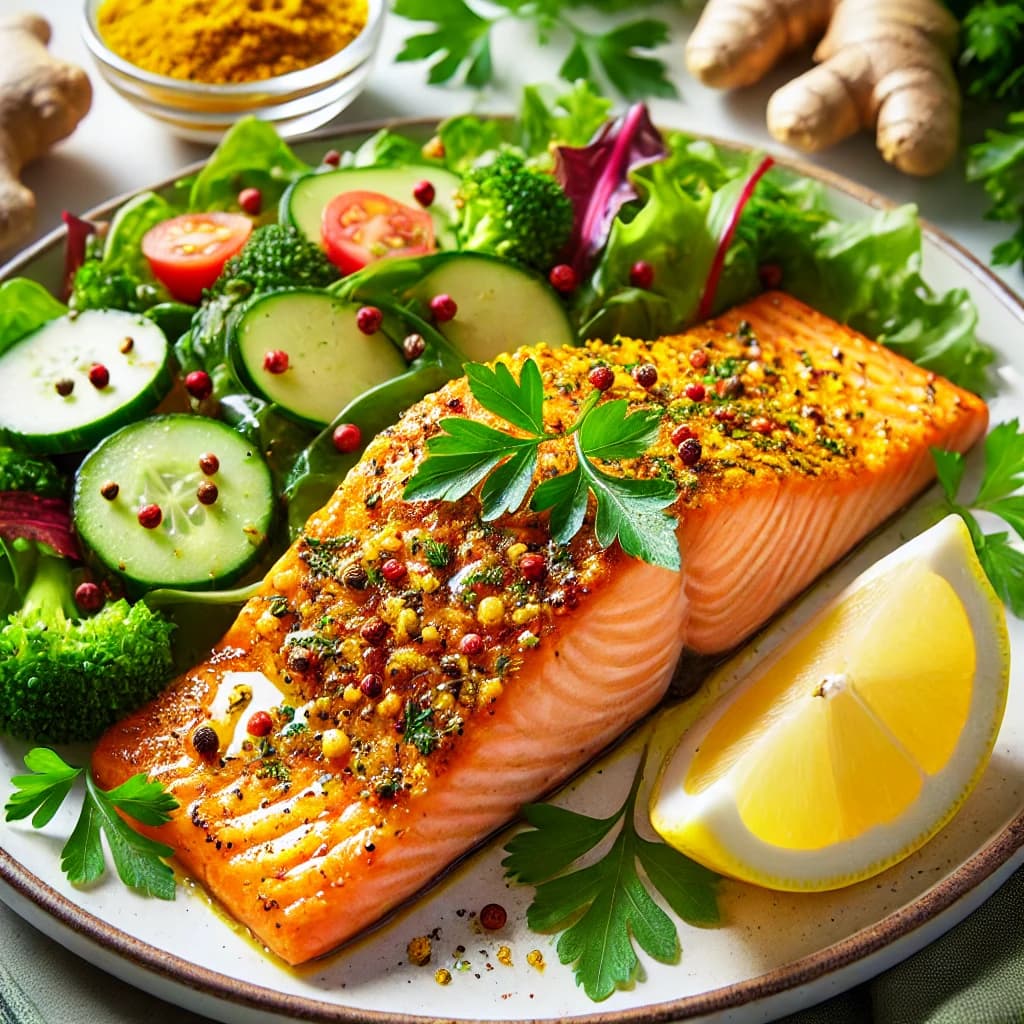
- Dinner: Baked salmon with sweet potato and green beans (450 calories)
Total Calories: 1600
Day 2:
- Breakfast: Oatmeal with blueberries and walnuts (350 calories)
- Snack: Banana with cashew butter (200 calories)
- Lunch: Spinach salad with grilled chicken, avocado, and balsamic vinaigrette (450 calories)
- Snack: Mixed nuts (200 calories)
- Dinner: Turkey chili with brown rice (500 calories)
Total Calories: 1700
Day 3:
- Breakfast: Smoked Salmon and Poached Eggs On Toast (350 calories)
- Snack: Greek yogurt with sliced peaches and honey (200 calories)
- Lunch: Grilled tofu with quinoa and roasted vegetables (450 calories)
- Snack: Edamame (150 calories)
- Dinner: Grilled shrimp with zucchini noodles and tomato sauce (400 calories)
Total Calories: 1550
Day 4:
- Breakfast: Green smoothie with spinach, banana, and almond milk (300 calories)
- Snack: Apple slices with almond butter (200 calories)
- Lunch: Roasted vegetable and hummus wrap (400 calories)
- Snack: Mixed berries with whipped cream (150 calories)
- Dinner: Grilled chicken with sweet potato and steamed broccoli (500 calories)
Total Calories: 1550
Day 5:
- Breakfast: Greek Yogurt With Berries (350 calories)
- Snack: Carrot sticks with hummus (150 calories)
- Lunch: Grilled salmon with quinoa and roasted vegetables (500 calories)
- Snack: Mixed nuts (200 calories)
- Dinner: Turkey burger with sweet potato fries and coleslaw (450 calories)
Total Calories: 1650
Day 6:
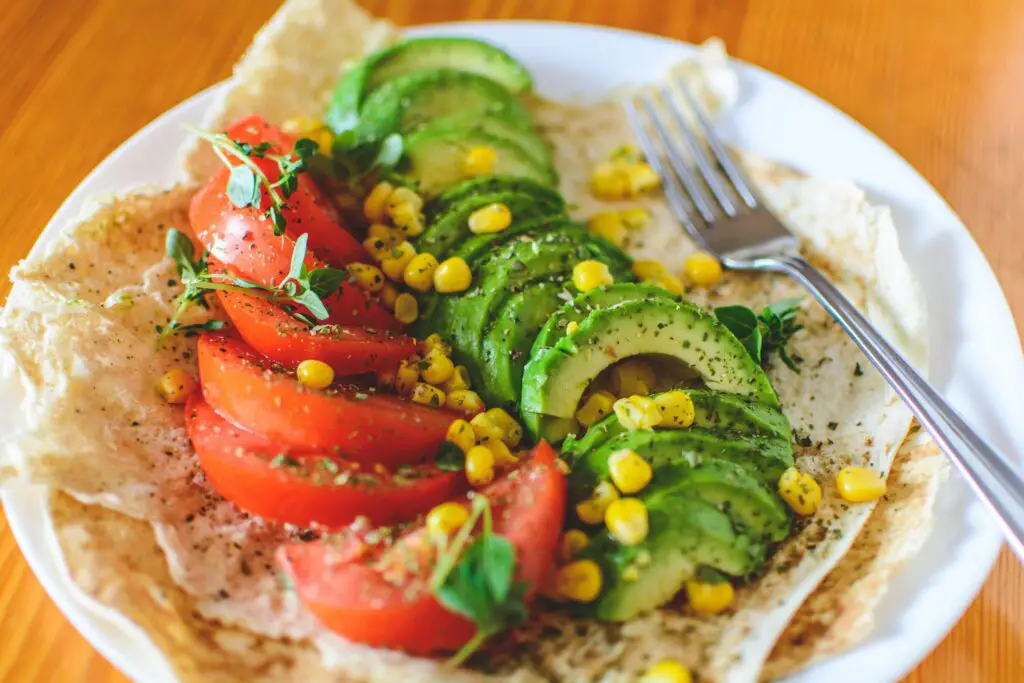
- Breakfast: Avocado toast with scrambled eggs (400 calories)
- Snack: Banana with cashew butter (200 calories)
- Lunch: Spinach salad with grilled chicken, strawberries, and balsamic vinaigrette (450 calories)
- Snack: Edamame (150 calories)
- Dinner: Baked cod with brown rice and steamed green beans (400 calories)
Total Calories: 1600
Day 7:
- Breakfast: Berry Chia Pudding (350 calories)
- Snack: Banana with cashew butter (200 calories
- Lunch: Grilled chicken with roasted vegetables and quinoa (500 calories)
- Snack: Edamame (150 calories)
- Dinner: Turkey meatballs with tomato sauce and spaghetti squash (450 calories)
Total Calories: 1700
Overall calorie range: approximately 2000-2200 calories per day.

Related Read: Ultimate Anti-Inflammatory Breakfast Ideas to Start Your Day Right and 10 Anti-Inflammatory Lunch Recipes Easy To Make
Anti-Inflammatory Shopping List
Having the right ingredients on hand makes it easy to follow a 7-day anti-inflammatory meal plan. Stock up on these pantry and fridge staples before you start:
Fruits & Vegetables
- Berries (blueberries, strawberries, raspberries)
- Leafy greens (spinach, kale, arugula)
- Cruciferous vegetables (broccoli, cauliflower, Brussels sprouts)
- Sweet potatoes
- Tomatoes
- Citrus fruits (oranges, lemons, limes)
- Avocados
Proteins
- Salmon, sardines, mackerel (wild-caught if possible)
- Chicken breast or turkey
- Eggs
- Tofu or tempeh
- Lentils, chickpeas, black beans
Whole Grains & Fiber
- Quinoa
- Brown rice
- Oats (steel-cut or rolled)
- Whole-grain or sprouted bread
Healthy Fats & Nuts
- Extra virgin olive oil
- Walnuts, almonds, pistachios
- Chia seeds, flaxseeds
Spices & Flavor Boosters
- Turmeric
- Ginger
- Garlic
- Cinnamon
- Fresh herbs (basil, rosemary, parsley)
Beverages
- Green tea
- Herbal teas
- Sparkling water with lemon or berries
Pro Tip: Make a weekly plan and buy in bulk where possible (like quinoa, nuts, and olive oil). This not only saves money but also ensures you always have anti-inflammatory options available.
Tips to Stay on Track
Sticking to an anti-inflammatory diet can feel overwhelming, but it gets easier when you’re organized and inspired.
Meal prep tip: Choose 2–3 dinners to batch cook and rotate
Snack smart: Keep almonds, hummus, and carrot sticks ready
Flavor first: Use herbs like turmeric, ginger, basil, and rosemary. Read more about Turmeric in an Anti-Inflammatory Diet: 5 Benefits and Recipes
Related Article: Easy anti-inflammatory meal prep recipes for beginners
Tips to Stay Consistent
Sticking to an anti-inflammatory meal plan can feel challenging at first, but consistency is what delivers long-term results. Here are a few strategies to help you stay on track:
- Meal Prep in Advance: Choose two or three dinners each week and cook larger portions so you can reheat leftovers for quick lunches. This not only saves time but also ensures you always have anti-inflammatory meals ready to go.
- Batch Cooking Staples: Cook big batches of quinoa, brown rice, or roasted vegetables on the weekend. Store them in airtight containers so you can mix and match easily throughout the week.
- Plan Snacks Wisely: Keep simple, grab-and-go options like hummus, nuts, or pre-cut veggies in your fridge. Having healthy snacks on hand helps you avoid processed, inflammatory foods.
- Smart Grocery Shopping: Build your shopping list around whole foods—fruits, vegetables, lean proteins, nuts, seeds, and whole grains. Check out my Anti-Inflammatory Pantry Guide to help you stock your kitchen with essentials.
- Use Flavor Boosters: Spices like turmeric, ginger, cinnamon, and garlic add taste and also fight inflammation. Keep them handy to make meals both healing and satisfying.
Craving something refreshing? Check out Day 5, where we include a salmon + quinoa combo that fights inflammation and tastes amazing.
FAQs About Anti-Inflammatory Meal Plans
Can you lose weight on an anti-inflammatory diet?
Yes, many people naturally lose weight on an anti-inflammatory diet because it emphasizes whole, nutrient-dense foods and reduces processed sugars, refined carbs, and fried foods. By stabilizing blood sugar and reducing inflammation, it can help curb cravings, improve energy levels, and support fat loss—especially around the belly. However, weight loss depends on portion sizes, physical activity, and overall calorie balance. Think of it as a lifestyle change rather than a quick fix.
Can vegetarians follow this plan?
Absolutely. While the sample plan includes fish and poultry, vegetarians can easily adapt it by choosing plant-based proteins such as lentils, chickpeas, tofu, or tempeh. Pair these with whole grains, nuts, seeds, and plenty of colorful vegetables to ensure adequate protein, fiber, and nutrient intake. Many anti-inflammatory superfoods—like berries, leafy greens, sweet potatoes, quinoa, and turmeric—are already vegetarian-friendly.
Do I need supplements?
Supplements can be helpful but are not required for most people. A well-balanced anti-inflammatory diet that includes fatty fish, nuts, seeds, fruits, and vegetables typically provides the nutrients your body needs. However, some people may benefit from targeted supplements like omega-3s, vitamin D, or magnesium if they have deficiencies. It’s always best to check with your healthcare provider before adding supplements, especially if you’re taking medications or managing chronic health conditions.
👉 Do you want me to also add a structured FAQ schema code snippet for WordP
Not sure where to start? Begin with Day 1 and follow the plan step by step.
Want More Support?
Explore our Anti-Inflammatory Diet Cookbook for Beginners, filled with 44 easy recipes and science-backed guidance.
This 7-day anti-inflammatory meal plan is just the beginning. Start with one week, and notice how your energy, digestion, and mood begin to shift.
I hope you will try this anti-inflammatory diet meal plan and leave a comment below!!